
Justice Department sues Connecticut over mask, ID and force rules for federal officers
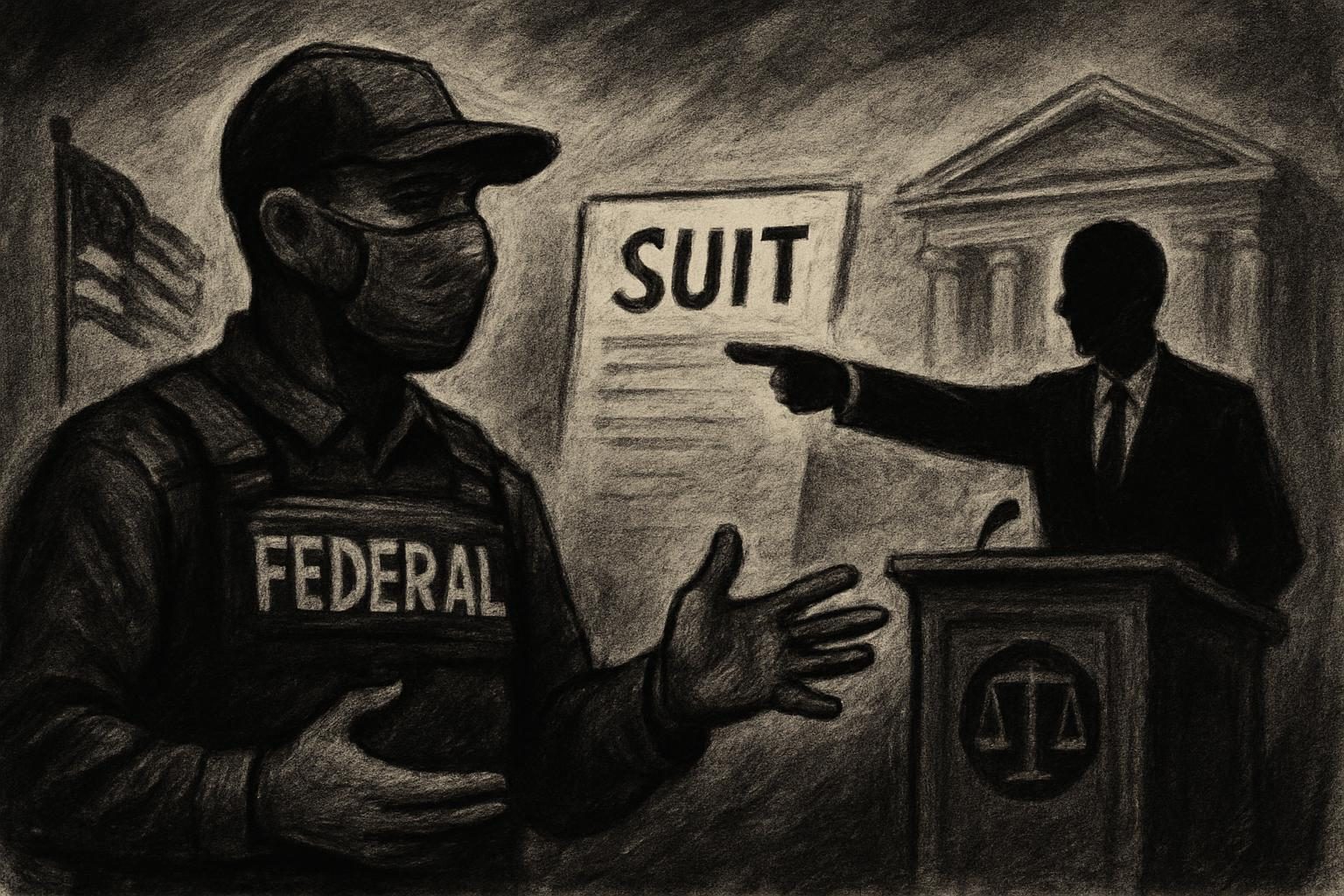
The Justice Department sued Connecticut on May 15, arguing the state crossed a constitutional line when it tried to apply its new law to federal officers. The complaint targets Gov. Ned Lamont, Attorney General William Tong, Chief State’s Attorney Patrick Griffin and Deputy Chief State’s Attorney Eliot Prescott, and says Connecticut cannot regulate how federal law enforcement officers carry out their duties under federal authority.
At the center of the case is Senate Bill 397, which lawmakers titled the “Act Concerning Democracy and Government Accountability and the Use and Retention of Data Derived from Automated License Plate Reader Systems.” The federal complaint focuses on the bill’s provisions for federal officers, saying it bars them from wearing facial coverings while on duty, requires them to display a badge and name tag, and directs them to follow Connecticut’s preferred use-of-force policies when performing official duties. Justice Department officials cast the law as an unconstitutional attempt to police federal operations. Connecticut’s legislative record shows Lamont signed the measure on May 4 and it became Public Act 26-14 on May 5.
In its filing, the Justice Department invoked the Supremacy Clause and said the state law would expose federal officers to harassment and safety risks while they are doing their jobs. Acting Attorney General Todd Blanche said the department will not accept state laws that regulate the federal government or put agents at risk. Assistant Attorney General Brett A. Shumate said state interference with federal operations is what the Supremacy Clause was meant to stop.
The lawsuit is the latest test of how far a state can go in setting transparency and conduct rules for officers operating inside its borders when those officers are working on federal business. Connecticut officials have said the law is meant to increase accountability. The federal government says that purpose does not matter if the statute reaches into federal law-enforcement operations. The case now moves to a court that will have to decide whether the challenged provisions are a lawful state safeguard or an impermissible order to federal officers.
Comments
Threaded replies, voting, and reports are live. New users still go through screening on their first approved comments.
Log in to comment
No comments yet. Be the first reasonably on-topic person here.