
Trump order pushes regulators to review fintech barriers
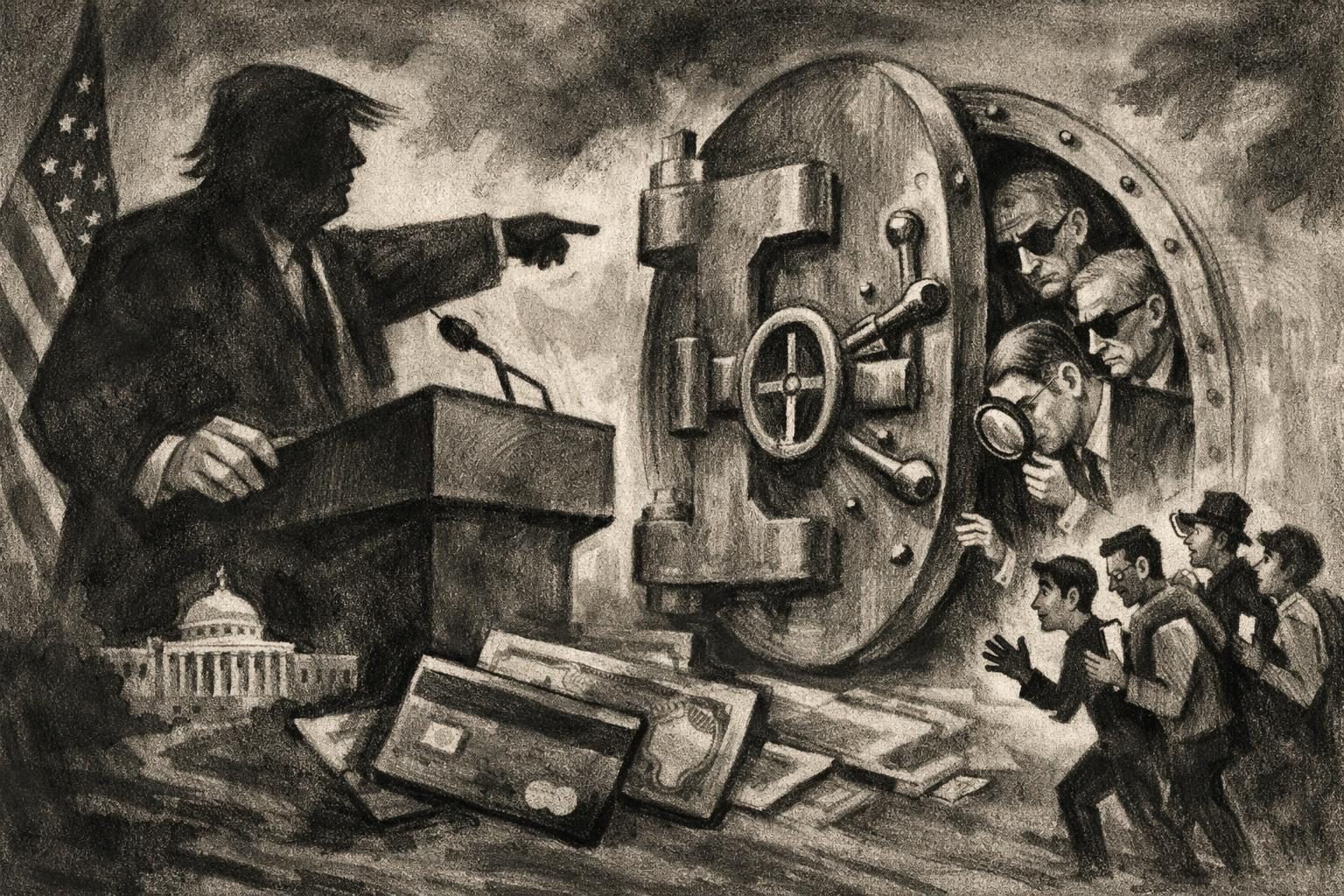
The White House on May 19 issued an executive order that tells federal financial regulators to review rules, guidance, supervisory practices and application processes that may be holding back financial technology firms. The order says the goal is to streamline regulatory processes, reduce barriers to entry, and encourage collaboration between fintech companies, federally regulated institutions and federal regulators. ([whitehouse.gov](https://www.whitehouse.gov/presidential-actions/2026/05/integrating-financial-technology-innovation-into-regulatory-frameworks/))
The order does not rewrite the financial system on its own. It directs the heads of federal financial regulators to identify rules and practices that could be updated to support innovation and competition, with attention to small and emerging firms. It also tells them, within 180 days, to take steps to encourage innovation after completing that review. The text says the review should still balance innovation with safety and soundness, consumer and investor protection, market integrity and financial stability. ([whitehouse.gov](https://www.whitehouse.gov/presidential-actions/2026/05/integrating-financial-technology-innovation-into-regulatory-frameworks/))
The Federal Reserve gets a separate request. The order asks the Fed’s board to review the legal, regulatory and policy framework for access to Reserve Bank payment accounts and payment services for uninsured depository institutions and nonbank financial companies, including firms involved in digital assets and other novel activities. It also asks the Fed to report back with findings, options and recommendations within 120 days. ([whitehouse.gov](https://www.whitehouse.gov/presidential-actions/2026/05/integrating-financial-technology-innovation-into-regulatory-frameworks/))
The order goes further by asking that, if existing law allows direct access to Reserve Bank payment accounts and payment services for covered firms, the Fed establish transparent application procedures and decide complete applications within 90 days. Even so, the order repeatedly says its provisions must be carried out consistent with law and that it does not itself create enforceable rights. In plain terms, this is a directive to review and consider changes, not an immediate legal overhaul. ([whitehouse.gov](https://www.whitehouse.gov/presidential-actions/2026/05/integrating-financial-technology-innovation-into-regulatory-frameworks/))
That distinction matters because the politics of the move is louder than the legal effect. The administration is casting the order as a pro-innovation reset, but the actual mechanism is administrative: reviews, requests and timelines. Critics can fairly argue that a White House that is this involved in shaping the terms of financial access is trying to steer the market from the top down. What the order clearly does, though, is narrower than the rhetoric around it. It pushes agencies to rethink barriers and gives the Fed a deadline to spell out options. It does not, by itself, open the gates or close them. ([whitehouse.gov](https://www.whitehouse.gov/presidential-actions/2026/05/integrating-financial-technology-innovation-into-regulatory-frameworks/))
Comments
Threaded replies, voting, and reports are live. New users still go through screening on their first approved comments.
Log in to comment
No comments yet. Be the first reasonably on-topic person here.