
Trump’s banking order still sounds like a grievance with a balance sheet
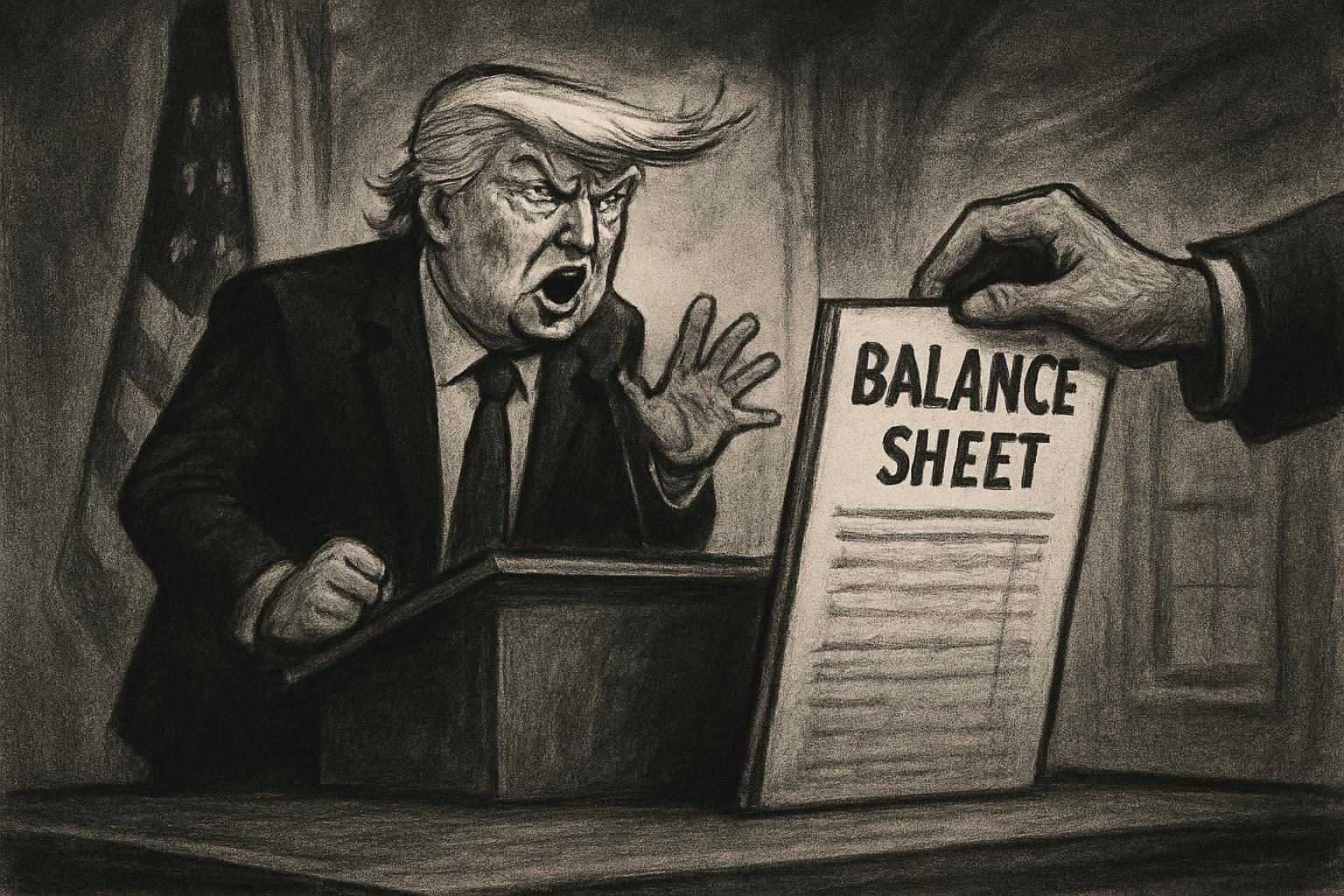
The White House has a habit of bundling several arguments into one executive order, and the May 19 financial-system directive is no exception. On its face, the order is aimed at protecting the banking system from illicit activity, tightening customer-identification and due-diligence rules, and telling regulators to look harder at the credit risks tied to lending to people without work authorization. That is the actual text on the page. It is not a blanket anti-debanking order, even if the administration paired it with broader claims about fair access to banking in its fact sheet and related fintech rollout.
The order tells Treasury to issue an advisory flagging patterns such as payroll-tax evasion, concealment of true account ownership, off-the-books wage payments, structuring schemes, labor trafficking, and the use of taxpayer identification numbers to open accounts or get credit without verified legal presence. It also tells Treasury, working with federal regulators, to propose changes to Bank Secrecy Act rules so banks collect enough identity information to identify nominal and beneficial owners when needed, and to strengthen customer-identification programs. In plain English: the government wants more visibility into who is actually behind an account and more authority to ask for extra information when compliance concerns justify it. ([whitehouse.gov](https://www.whitehouse.gov/presidential-actions/2026/05/restoring-integrity-to-americas-financial-system/))
That does not make the political gloss disappear. The same White House fact sheet says the administration is also pushing to stop federal regulators from encouraging banks to deny services based on political beliefs, religious beliefs, or lawful business activities. But that anti-debanking message sits beside the order’s narrower and more concrete fraud-and-immigration agenda. The administration is talking about banking fairness in one breath and illicit-finance enforcement in the next, which is a useful way to keep several constituencies happy at once, but not exactly a clean policy lane. ([whitehouse.gov](https://www.whitehouse.gov/fact-sheets/2026/05/fact-sheet-president-donald-j-trump-restores-integrity-to-americas-financial-system/))
The lending piece is even more specific. The order directs the Consumer Financial Protection Bureau to consider clarifying that potential deportation and lost wages can count as factors in ability-to-repay decisions for borrowers without work authorization, and it asks regulators to issue guidance on managing those credit risks. That is less a sweeping banking philosophy than a targeted underwriting rule: if a borrower’s legal status could lead to removal or wage loss, regulators want banks to treat that as part of the risk calculation. Supporters will call that common sense. Critics will call it immigration policy wearing a compliance badge. Both readings are available, because the order is doing both things at once. ([whitehouse.gov](https://www.whitehouse.gov/presidential-actions/2026/05/restoring-integrity-to-americas-financial-system/))
The result is a document that reads like two separate agendas stitched together. One half is classic financial-crime housekeeping: better customer due diligence, better identity verification, better tools against money laundering and other illicit activity. The other half is a political argument about who gets access to mainstream banking and on what terms. The White House is trying to sell both as a single restoration-of-integrity story. But the details matter here, and the details are more limited — and more specific — than the anti-debanking rhetoric suggests. If the administration wants this to be understood as a serious banking fix, it will have to lean harder on the rules and less on the grievance.
Comments
Threaded replies, voting, and reports are live. New users still go through screening on their first approved comments.
Log in to comment
No comments yet. Be the first reasonably on-topic person here.