
Trump’s Banking Push Splits the Difference Between Crackdown and Complaint
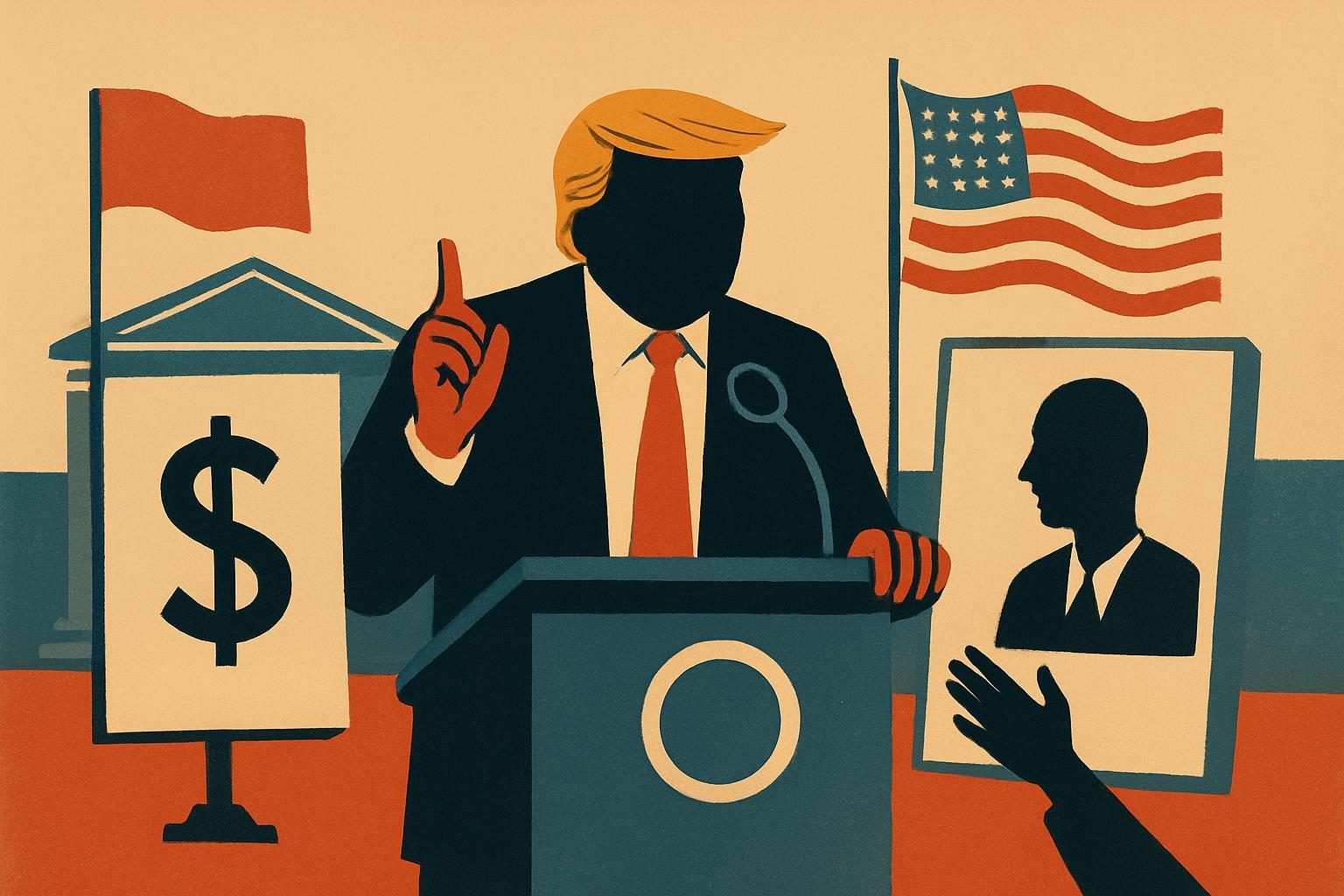
The White House handed banks two messages on May 19, 2026, and they do not sit neatly together. One executive order says the federal government should harden the financial system against illicit activity, identity abuse, and credit risk tied to people without work authorization. A companion order says regulators should look for ways to reduce barriers to financial technology and broader access to payment services. Taken together, the documents show an administration trying to tighten the rules in one lane while reopening the access debate in another.
The stricter of the two orders, titled "Restoring Integrity to America's Financial System," directs Treasury to issue guidance warning institutions about payroll tax evasion, concealed account ownership, off-the-books wage payments, structuring, labor trafficking, and the use of individual taxpayer identification numbers in ways that may mask legal status. It also tells Treasury and federal regulators to look at Bank Secrecy Act rules, customer due diligence standards, and customer identification practices when risk warrants deeper scrutiny. The order specifically points to foreign consular identification cards as one item regulators should examine. citeturn0search0turn0search1
On lending, the order tells the Consumer Financial Protection Bureau to consider whether deportation risk and lost wages can factor into a borrower’s ability to repay, and it directs regulators to issue guidance on the credit risks of extending loans or other financial services to people who are not authorized to work. That is the core of the document: fraud controls, identity checks, and a bank-risk argument built around immigration status. citeturn0search0turn0search1
The anti-debanking language lives alongside that push, but not as the central text of the order itself. The White House fact sheet says regulators should not advance policies that let financial institutions deny or restrict services based on political beliefs, religious beliefs, or lawful business activity. In other words, the administration is pairing a hard-edged enforcement order with a separate message about fair access to banking. That is less a contradiction on the page than a deliberate overlap in political posture. citeturn0search1turn0search0
The same day, the administration also issued "Integrating Financial Technology Innovation Into Regulatory Frameworks," which tells regulators to reassess whether current rules and supervisory practices are slowing fintech competition or limiting access to payment accounts and related services. The combined effect is clear: Washington wants banks to police illicit finance more aggressively, but it also wants regulators to be more skeptical of the idea that institutions can shut out customers or firms too easily. citeturn0search2turn0search1
So the split is real, even if the wording is more careful than the politics. The May 19 orders do not create a blanket anti-debanking rule. They do, however, put a federal thumb on both sides of the scale at once: tighter scrutiny for identity and immigration-related risk, and a renewed warning against arbitrary exclusion from the banking system. citeturn0search0turn0search1turn0search2
Comments
Threaded replies, voting, and reports are live. New users still go through screening on their first approved comments.
Log in to comment
No comments yet. Be the first reasonably on-topic person here.