
Trump tax settlement draws backlash over broad IRS bar
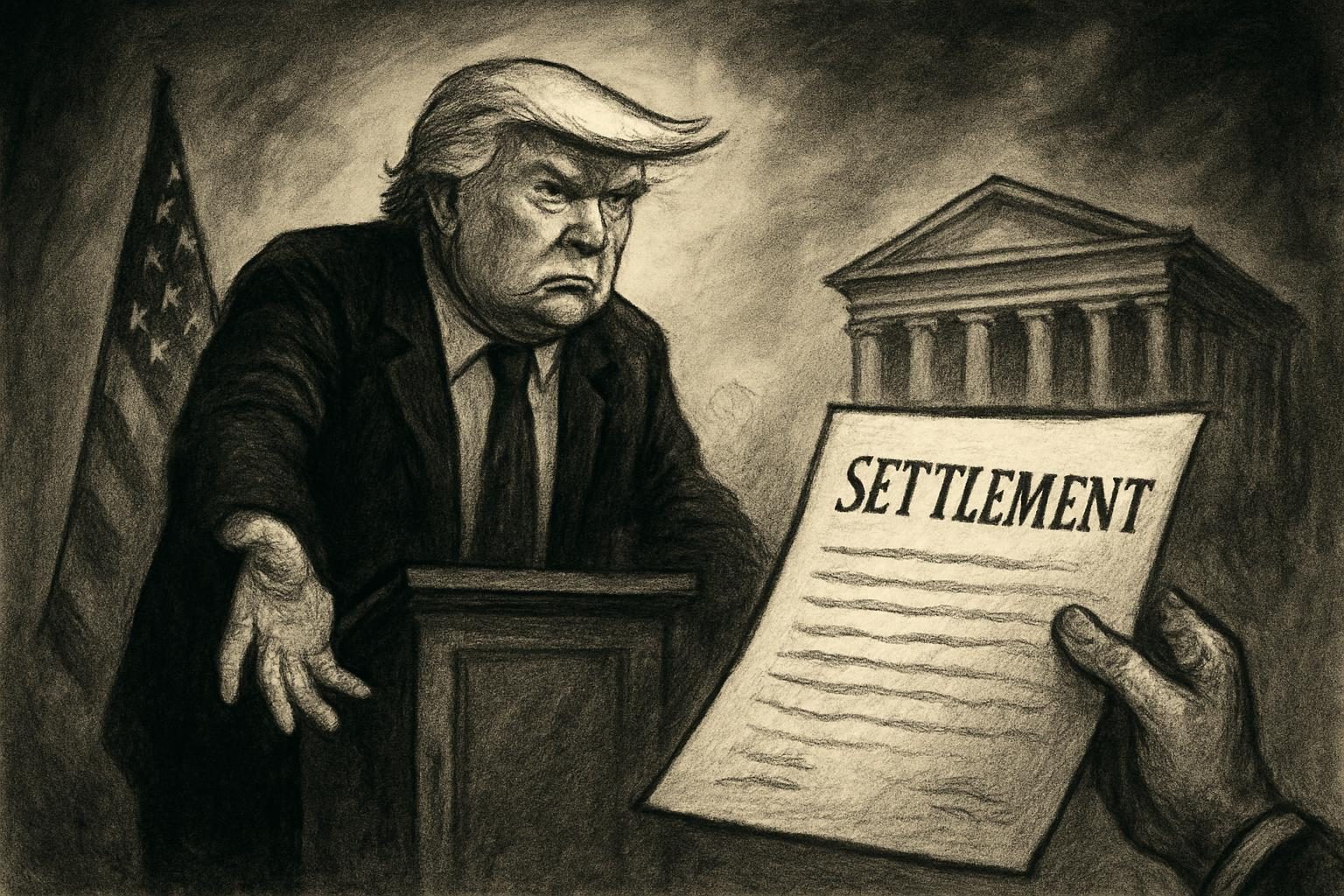
A Justice Department settlement in President Donald Trump’s tax-returns lawsuit is drawing sharp criticism because of how far its language reaches. The agreement, filed in federal court, says Trump, Donald Trump Jr., Eric Trump and the Trump Organization are “forever barred and precluded” from pursuing claims tied to the case and related pending agency claims. It also says Trump will receive a formal apology from the United States, but no cash payment. ([justice.gov](https://www.justice.gov/opa/media/1441201/dl?inline=))
The case began with a January complaint in which the plaintiffs said a former IRS employee or contractor, Charles Littlejohn, illegally obtained and disclosed their tax returns and tax-return information. The settlement says the parties agreed to resolve that lawsuit and the pending agency claims effective May 18, 2026. It also says the agreement closes those matters “forever and finally.” ([justice.gov](https://www.justice.gov/opa/media/1441201/dl?inline=))
The broadest part of the deal is the release language. Under the settlement, the plaintiffs give up claims that “have been or could have been asserted” in the case or the pending agency claims, including requests for injunctive relief, damages, tax payments, debt relief, costs, fees, expenses and interest, so long as those claims arise out of the covered matters. That is not the same thing as a blanket immunity grant for all future IRS activity. It is, however, a sweeping no-further-claims clause that covers the dispute described in the settlement. ([justice.gov](https://www.justice.gov/opa/media/1441201/dl?inline=))
The agreement also creates an Anti-Weaponization Fund, which the settlement says is meant to provide a process for other people who say they were harmed by similar government “lawfare” or “weaponization.” The document says the fund may award monetary relief and issue apologies, and that the Justice Department may audit claims and refer evidence of fraud for investigation or prosecution. ([justice.gov](https://www.justice.gov/opa/media/1441201/dl?inline=))
That structure is what is fueling the backlash. Critics are reading the settlement as unusually protective of Trump and his family because it does not just end a lawsuit; it also wipes out a broad set of current claims tied to the same episode. Supporters can argue the deal is a civil compromise that settles specific disputes over the leaked-return case and related agency claims. But the text itself leaves little doubt that the government agreed to give up future pursuit of the covered matters. ([justice.gov](https://www.justice.gov/opa/media/1441201/dl?inline=))
The political problem for the White House is simple: even if the settlement is lawful, it reads as special handling for the president’s own tax fight. The complaint was about unauthorized disclosure of returns. The resolution now goes further, locking in a broad bar on later claims over the same set of facts. That is why the argument has shifted from the lawsuit itself to the precedent it sets for how much insulation a president can obtain once the government is on the other side of the table. ([justice.gov](https://www.justice.gov/opa/media/1441201/dl?inline=))
Comments
Threaded replies, voting, and reports are live. New users still go through screening on their first approved comments.
Log in to comment
No comments yet. Be the first reasonably on-topic person here.