
White House World Trade Week message touts tariffs without new evidence
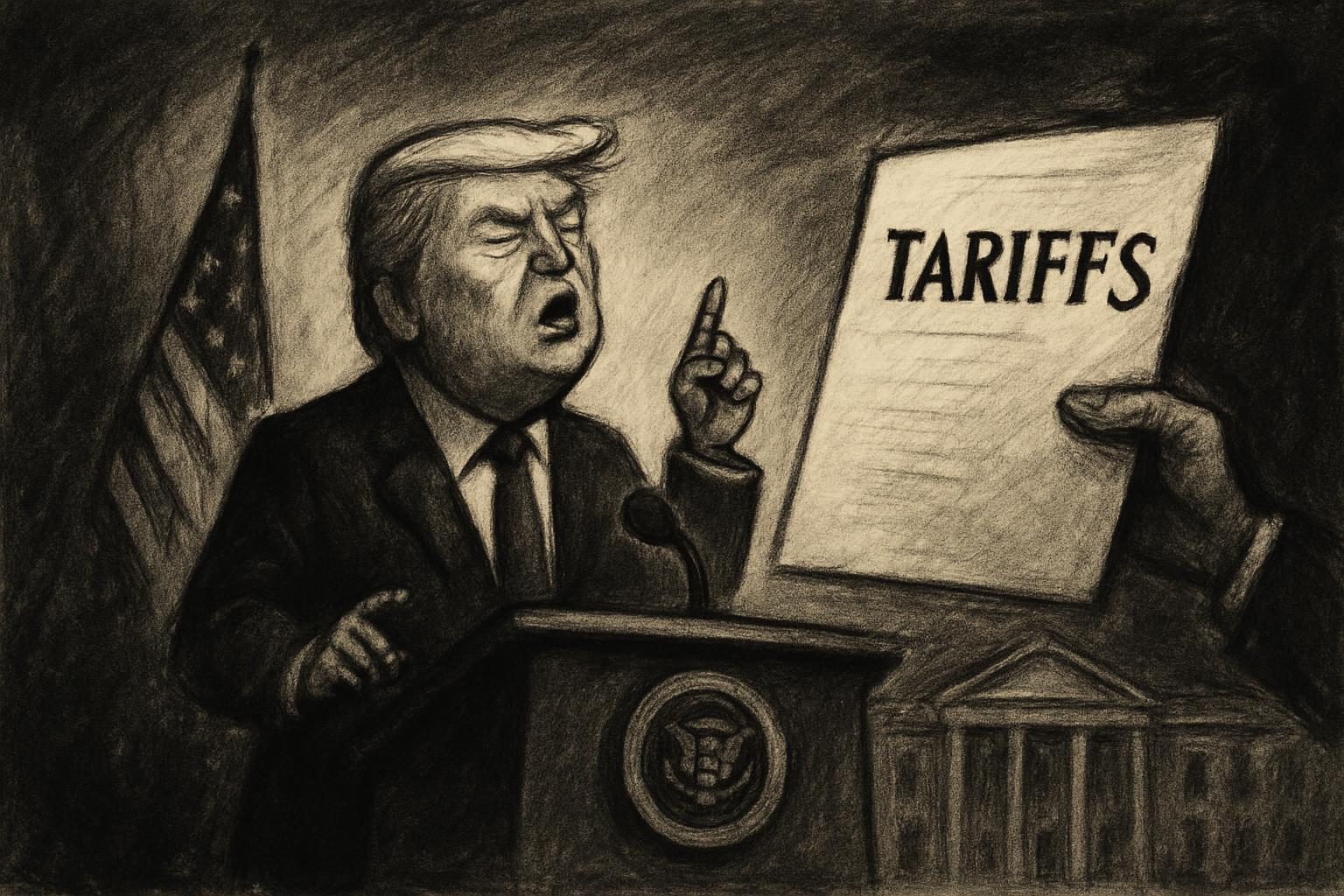
The White House marked World Trade Week on May 19, 2026, with a presidential message that reads less like a trade briefing than a political argument for tariffs. The statement says strategic tariffs have secured “trillions of dollars” in manufacturing investments, cut the trade deficit, and sped up the return of production to the United States. Those are the administration’s claims. The message itself does not supply fresh data, methods, or outside verification to show how much of that outcome can be credited to tariffs alone. ([whitehouse.gov](https://www.whitehouse.gov/briefings-statements/2026/05/presidential-message-on-world-trade-week/))
The release leans hard on a familiar theme: unfair trade was a national loss, and tariffs are the corrective. It says the United States is now entering “a new era of fair competition” and says the country has secured more than 20 new trade deals with major partners. It also promises those deals will mean more supply, stronger demand for U.S. goods, and eventually lower prices on items ranging from groceries to machinery. But the statement presents those effects as outcomes to be celebrated, not as claims to be independently measured. ([whitehouse.gov](https://www.whitehouse.gov/briefings-statements/2026/05/presidential-message-on-world-trade-week/))
That distinction matters. The White House fact sheet on tariffs issued in April says the administration has strengthened tariffs on steel, aluminum, and copper imports, but the World Trade Week message does not mention pharmaceuticals or any separate pharma tariff push. The tariffs policy the administration wants credit for is broad and ongoing, but this particular message stays focused on the White House’s preferred story line: tariffs as proof of economic comeback, with little room left for the usual tradeoffs. ([whitehouse.gov](https://www.whitehouse.gov/fact-sheets/2026/04/fact-sheet-president-donald-j-trump-strengthens-tariffs-on-steel-aluminum-and-copper-imports/))
The White House’s own economic report, published last month, runs through its case for the administration’s trade agenda in more technical language. Even so, the World Trade Week message does not quote numbers from that report or connect its claims to a defined baseline. It says the trade policy has reduced the deficit and brought production back. It does not show the math. It does not separate tariff effects from broader shifts in demand, company strategy, or other policy changes. And it does not address the costs that usually come with tariff-heavy policy, including higher input costs for import-dependent businesses and the risk of retaliation from trading partners. ([whitehouse.gov](https://www.whitehouse.gov/wp-content/uploads/2026/04/2026-economic-report-of-the-president.pdf))
So the message lands as a declaration, not a demonstration. The administration is entitled to argue that tariffs are helping rebuild manufacturing and reset trade relations. But on the page itself, the case is asserted rather than proven. For a World Trade Week statement, that may be the point: project confidence, keep the numbers vague, and let the policy narrative do the work. For anyone trying to evaluate the claim on evidence, though, the release gives more applause than accounting. ([whitehouse.gov](https://www.whitehouse.gov/briefings-statements/2026/05/presidential-message-on-world-trade-week/))
Comments
Threaded replies, voting, and reports are live. New users still go through screening on their first approved comments.
Log in to comment
No comments yet. Be the first reasonably on-topic person here.