
Judges in Maine and Wisconsin dismiss DOJ voter-roll lawsuits
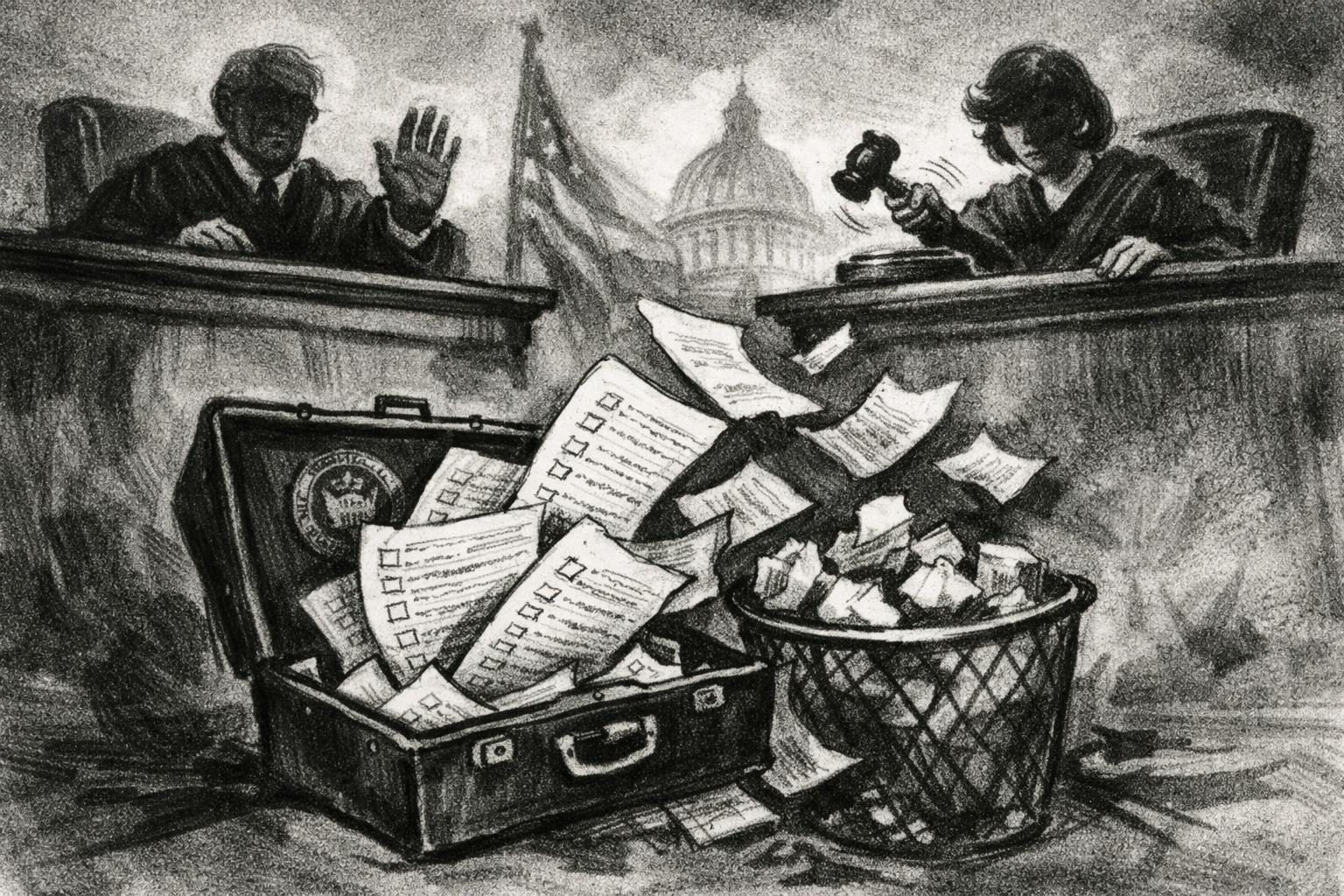
Federal judges in Maine and Wisconsin on May 21, 2026, dismissed separate Justice Department lawsuits that sought unredacted statewide voter-registration lists, handing the Trump administration another pair of courtroom losses in its effort to press states for voter data.
In Maine, U.S. District Judge Lance Walker granted motions to dismiss the government’s case and denied the department’s request for an order to show cause. The order said the United States had asked Maine and Secretary of State Shenna Bellows to produce the state’s complete, unredacted computerized voter-registration list, including sensitive personal information such as dates of birth, residential addresses and driver’s license or partial Social Security numbers. Walker wrote that the government could not compel that access under the theories it advanced.
The Wisconsin case ended the same way, with a federal judge dismissing the government’s lawsuit over the state’s voter-registration records. Together, the rulings undercut the department’s claim that the Civil Rights Act gives it a broad right to demand full voter files from states.
The two dismissals are part of a larger pattern. In the Maine order, Walker noted that by that point the Justice Department had filed about 30 similar suits after states declined to turn over their registration lists, and that several of those cases had already been dismissed. That broader litigation campaign has centered on the department’s contention that states must provide voter-registration materials for federal review. Judges so far have been more skeptical, often focusing on whether the statute the department cites really reaches the unredacted records it wants.
The Maine ruling also sharpened the fight over privacy and state control of election records. Maine law treats much of the central voter-registration system as confidential, and the state argued that bulk disclosure of full birth dates, Social Security information and driver’s license numbers would go beyond what federal law requires. The court agreed with the state’s position and rejected the government’s bid to force disclosure.
The latest losses do not end the administration’s campaign. But they do leave it with a growing stack of decisions saying, at least so far, that the Civil Rights Act does not give Washington the leverage it claims over unredacted voter-registration lists.
Comments
Threaded replies, voting, and reports are live. New users still go through screening on their first approved comments.
Log in to comment
No comments yet. Be the first reasonably on-topic person here.