
Supreme Court sends immigration judges’ speech case back on procedural grounds
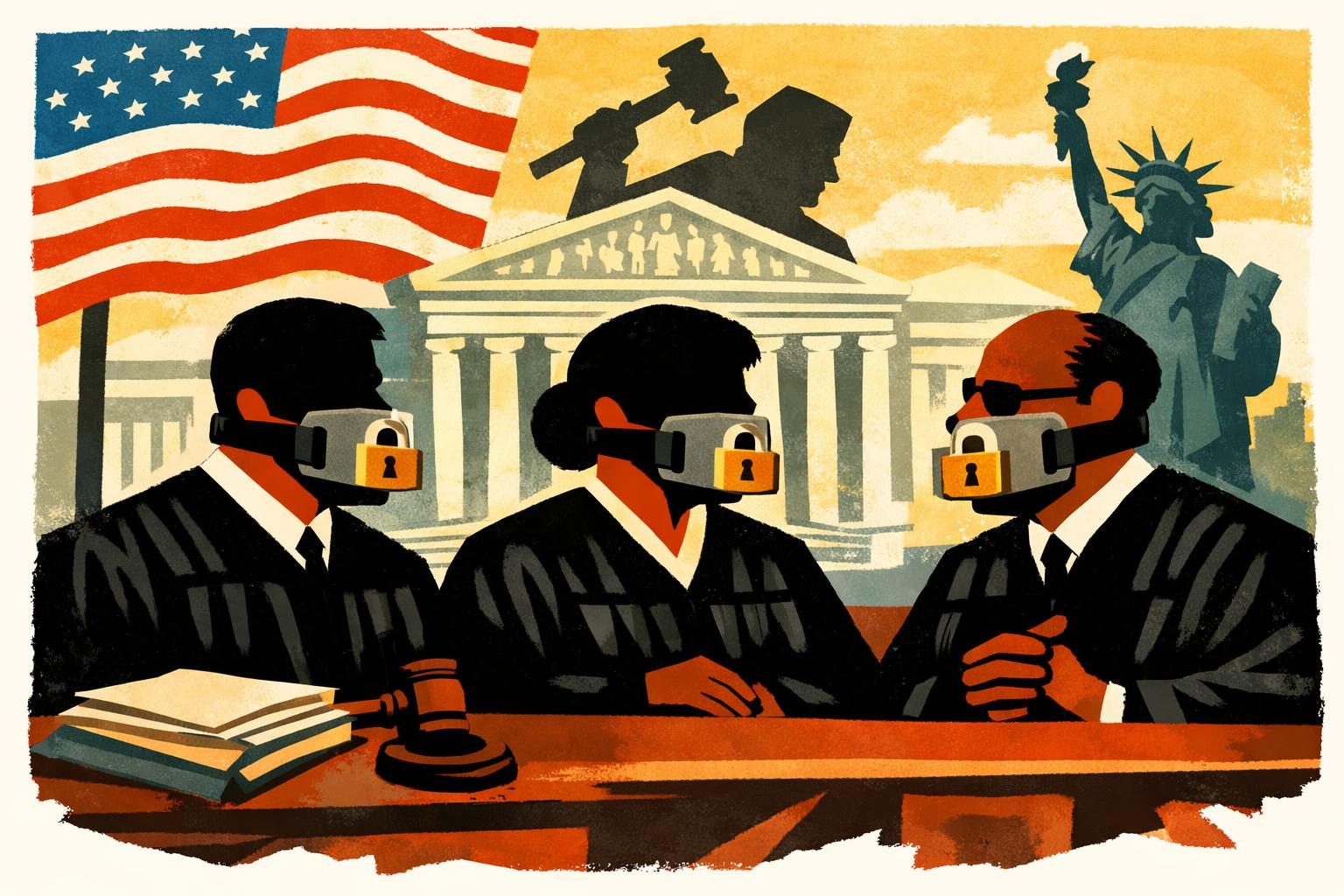
The Supreme Court on May 26 gave the Trump administration a procedural reprieve in a case over limits on what immigration judges can say publicly, but it stopped well short of blessing the policy itself. The justices said the dispute should have been handled first through the Civil Service Reform Act’s federal employee process rather than being brought straight into federal court. That means the administration gets time and breathing room, not a definitive constitutional victory. The underlying question remains unresolved: can the government require immigration judges to get supervisory approval before making public comments tied to their official duties? For now, the Court has only decided where that fight should begin, not who should win it.
That distinction matters because the case sits at the messy intersection of labor procedure, federal workplace rules, and the First Amendment. Immigration judges are not ordinary bureaucrats in the public imagination, even though they are federal employees. They preside over asylum claims, deportation proceedings, and other cases that can change a person’s life in a single hearing, and they do so inside a court system that already faces intense political scrutiny. Supporters of the judges argue that a rule requiring advance permission for public statements is functionally a gag order, one that dresses itself up as internal management while chilling speech on matters of public concern. The administration, by contrast, frames the policy as basic discipline: if an official is speaking in a professional capacity about the work of the office, the government says, it should not be treated like freelance commentary. The Supreme Court did not endorse either description. Instead, it said the judges’ challenge was filed in the wrong place too soon, because Congress created a separate process for federal employee disputes that had to be used first.
That procedural ruling is already being treated by the White House as a political win, and that is not surprising. Trump and his allies have often been quick to turn any judicial pause into evidence that the courts are coming around to their side, even when the decision does not actually say that. Here, the administration can point to the fact that the justices sent the case back into the federal workforce system and argue that the challenge was premature. But a procedural detour is not the same as a constitutional endorsement, and the difference is important. The judges’ First Amendment claim is not dead; it has simply been told to wait in line. If the dispute works its way back to federal court later, the core question will still be whether the government may muzzle immigration judges in the name of institutional control. The Supreme Court’s latest move does nothing to answer that. It only delays the moment when the answer has to be given.
The political optics are awkward for an administration that has already made aggressive control over immigration enforcement a central theme. Immigration judges are part of the machinery that decides who can remain in the United States and who is ordered removed, and their work has become even more politically sensitive as the White House pushes for faster deportations and tighter management across the immigration system. The Justice Department has said the administration is targeting delays in the immigration courts as part of that push, which makes the speech restrictions easier to read as part of a broader effort to keep the system aligned with White House priorities. Critics of the policy see that as a warning sign: if judges can be told to get permission before speaking publicly, the line between administrative discipline and message control begins to look very thin. The administration insists it is merely trying to keep officials from freelancing about matters tied to their jobs. But to opponents, the real message is harder to miss. The government wants faster outcomes, less internal friction, and fewer public voices inside the system that might complicate the narrative. The Court may have granted the White House a procedural advantage, but it also left intact the larger suspicion that this is less about orderly management than about making sure the judges who hear the cases are not saying anything inconvenient.
Comments
Threaded replies, voting, and reports are live. New users still go through screening on their first approved comments.
Log in to comment
No comments yet. Be the first reasonably on-topic person here.