
Trump’s Kennedy Center move took a legal hit and then an off-ramp
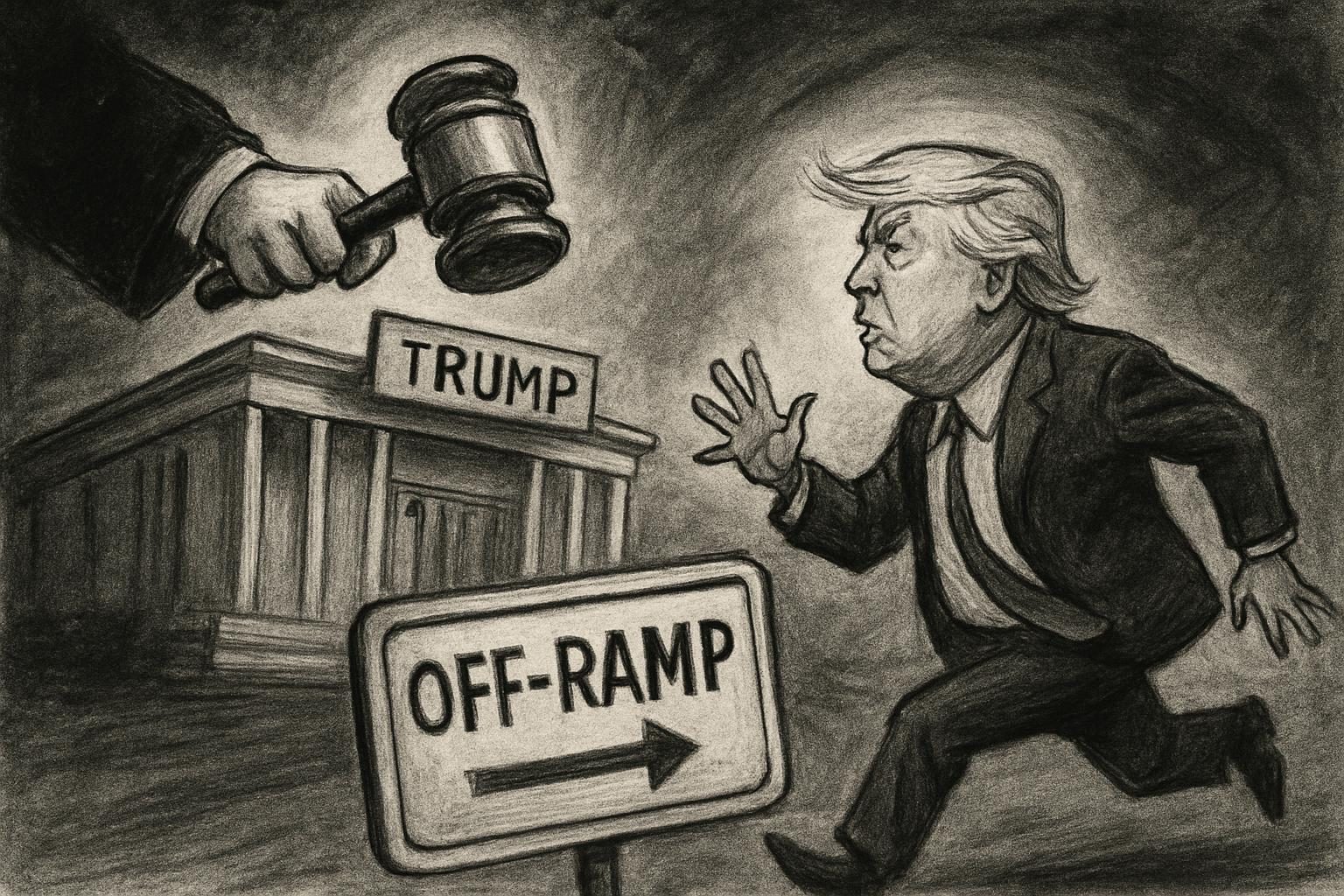
Donald Trump’s bid to stamp his name on the Kennedy Center ran into a judge who read the law more closely than the board did. On May 29, U.S. District Judge Christopher Cooper ruled that the center’s board had no authority to add Trump’s name to the building and blocked the planned temporary closure for renovations. The opinion did not freeze every possible construction plan. It did, however, halt the specific closure the board had approved and ordered the unlawful name change undone.
That distinction matters. The ruling was not a blanket ban on repairs or remodeling. Cooper said the court was not telling the Kennedy Center how to run itself or prescribing any one future plan for construction, closure, or anything else. What he did say was that Congress gave the center its name and only Congress can change it. He also found the board had not shown the kind of lawful, well-supported decision-making needed to justify shutting the venue down on the theory it could simply be handled later.
Trump’s response suggested the project was already losing its momentum. After the ruling, he said he might back away from the renovation effort and hand control back to Congress. That is a long way from the image of a president seizing a cultural landmark and remaking it on command. It is closer to a public retreat dressed up as a choice.
The episode left Trump with a familiar problem: the gap between a dramatic announcement and the legal machinery required to make it real. The Kennedy Center is not a private trophy property, and the board cannot relabel it by force of will. The court’s decision did not end every fight over the building, but it did take away the easiest part of the plan — closing it, renaming it, and pretending the law would catch up later.
Comments
Threaded replies, voting, and reports are live. New users still go through screening on their first approved comments.
Log in to comment
No comments yet. Be the first reasonably on-topic person here.