
Trump adjusts metals tariffs and tightens customs enforcement
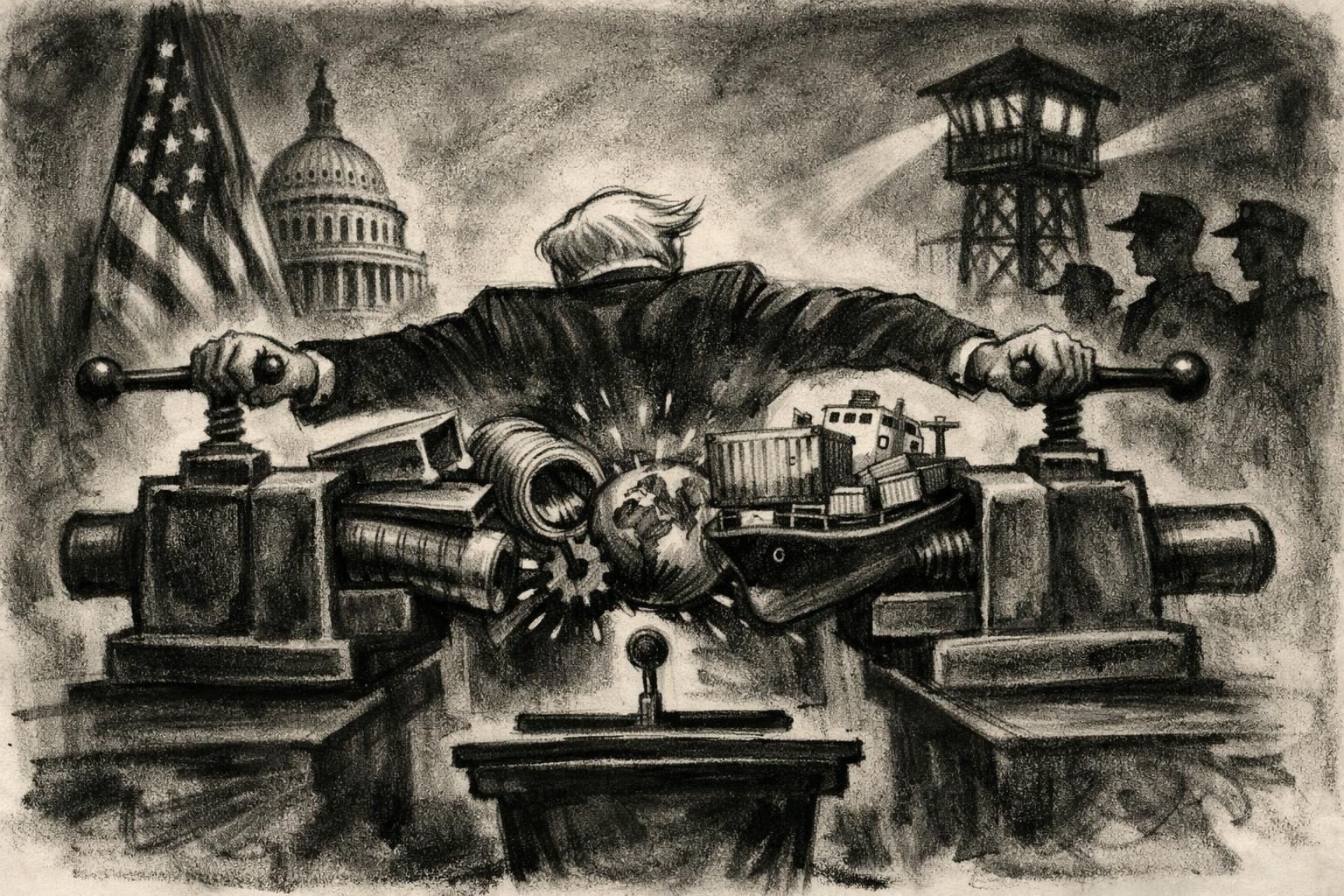
The White House spent June 1 and June 3 on separate trade moves that point in the same direction: higher friction at the border. On June 1, 2026, President Donald Trump signed a proclamation changing tariffs on steel, aluminum and copper imports. On June 3, he signed an executive order that tells the Department of Homeland Security and Customs and Border Protection to toughen customs enforcement and rewrite importer requirements.
The metals proclamation narrows and reshapes several tariff lines. It cuts the tariff on agricultural equipment, including combines and harvesters, from 25% to 15%. It also broadens the 15% tariff category for industrial equipment to include mobile industrial equipment, such as bulldozers and forklifts, when it comes from trade-deal countries that qualify for that treatment. The White House says those tariff changes are temporary and run through Dec. 31, 2027. ([whitehouse.gov](https://www.whitehouse.gov/fact-sheets/2026/06/fact-sheet-president-donald-j-trump-updates-tariffs-on-steel-aluminum-and-copper-imports/))
The customs order works differently. It does not flip a switch on new rules immediately. Instead, it gives DHS 180 days to take steps that would revise importer eligibility regulations, guidance and policy. Those revisions are supposed to include higher bond requirements, a minimum level of tangible domestic assets or bond coverage for importers of record, tighter treatment for foreign importers of record, and more data disclosures on ownership, beneficial ownership, affiliations and domestic assets. ([whitehouse.gov](https://www.whitehouse.gov/presidential-actions/2026/06/strengthening-customs-enforcement/))
The order also says DHS should require all importers of record to stay in “good standing” with CBP, with that status tied to compliance history and payment of customs liabilities. It calls for updated importer registries, more vetting for people and firms involved in importing, and heightened disclosure and certification requirements aimed at duty evasion and supply-chain noncompliance. Those steps are implementation directives, not instant border rules. ([whitehouse.gov](https://www.whitehouse.gov/presidential-actions/2026/06/strengthening-customs-enforcement/))
Taken together, the two actions do more than change tariff rates. One alters the cost of bringing in selected metals-related goods. The other raises the paperwork, bonding and compliance burden for importers more broadly. That is the kind of policy mix that can reach far beyond customs forms: it changes sourcing decisions, contract terms and how quickly goods can move once they reach the port. ([whitehouse.gov](https://www.whitehouse.gov/fact-sheets/2026/06/fact-sheet-president-donald-j-trump-updates-tariffs-on-steel-aluminum-and-copper-imports/))
Comments
Threaded replies, voting, and reports are live. New users still go through screening on their first approved comments.
Log in to comment
No comments yet. Be the first reasonably on-topic person here.