
Trump’s Tariff Changes Keep Rewriting the Trade Rulebook
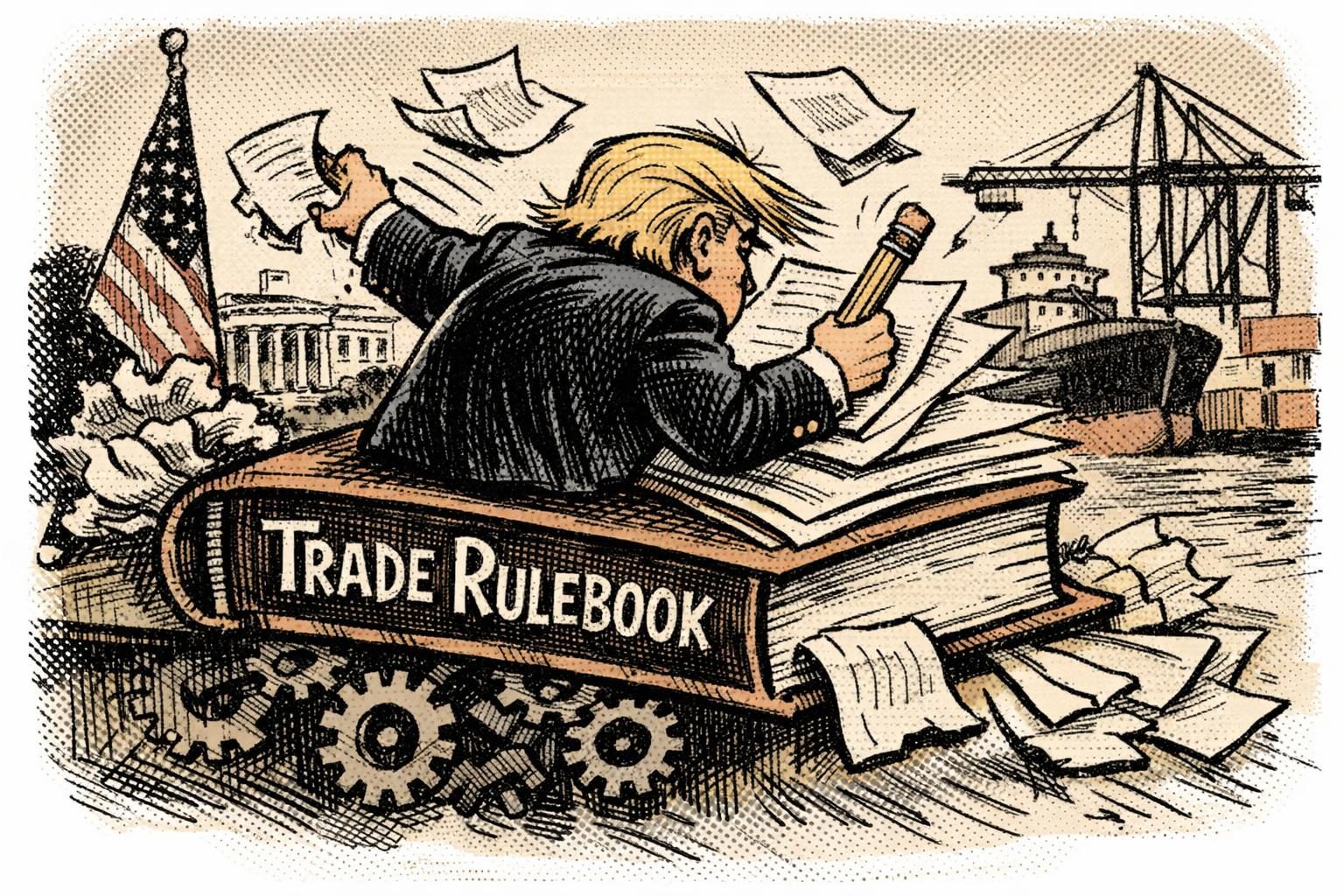
The cleanest way to describe the White House’s tariff record is not as one settled trade plan, but as a series of successive changes. On June 1, 2026, President Donald Trump signed a proclamation adjusting tariffs on steel, aluminum, and copper imports and describing the move as an effort to bolster domestic manufacturing and strategic metals production. The same White House page says those changes were temporary, running through December 31, 2027. ([whitehouse.gov](https://www.whitehouse.gov/fact-sheets/2026/06/fact-sheet-president-donald-j-trump-updates-tariffs-on-steel-aluminum-and-copper-imports/))
That metals update did not arrive in isolation. Two other tariff actions in the White House archive fill in the recent timeline: a February 20, 2026 proclamation imposing a temporary 10% import duty for 150 days, effective February 24, and a July 7, 2025 order and fact sheet saying certain reciprocal tariff rates that were set to expire on July 9 would instead run until August 1, 2025, alongside new rates for several trading partners. ([whitehouse.gov](https://www.whitehouse.gov/fact-sheets/2026/02/fact-sheet-president-donald-j-trump-imposes-a-temporary-import-duty-to-address-fundamental-international-payment-problems/))
Taken together, those documents show a trade policy built around repeated adjustments, not a single fixed tariff schedule. The White House says the changes are meant to protect national interests, encourage domestic production, and strengthen American industry. The same record also shows the administration continuing to use temporary duties, revised tariff rates, and future effective dates to manage trade relationships. ([whitehouse.gov](https://www.whitehouse.gov/fact-sheets/2026/06/fact-sheet-president-donald-j-trump-updates-tariffs-on-steel-aluminum-and-copper-imports/))
What those moves do economically over time is a separate question, and one the White House pages do not answer on their own. They do, however, make the chronology plain: June 1, 2026 for the metals update, February 20, 2026 for the temporary import duty, and July 7, 2025 for the reciprocal-tariff notice. The practical effect is a trade regime that keeps changing by proclamation, with businesses left to track what applies now, what starts next month, and what may be altered again later. ([whitehouse.gov](https://www.whitehouse.gov/fact-sheets/2026/06/fact-sheet-president-donald-j-trump-updates-tariffs-on-steel-aluminum-and-copper-imports/))
That is why the current tariff story is less about one dramatic announcement than about accumulation. The administration has used tariffs as a recurring tool across metals, broad imports, and reciprocal trade rates, and the official record shows those tools being updated, extended, and recalibrated rather than retired. For companies trying to plan procurement, pricing, and investment, the key fact is not a slogan about toughness. It is the date trail. ([whitehouse.gov](https://www.whitehouse.gov/fact-sheets/2026/06/fact-sheet-president-donald-j-trump-updates-tariffs-on-steel-aluminum-and-copper-imports/))
Comments
Threaded replies, voting, and reports are live. New users still go through screening on their first approved comments.
Log in to comment
No comments yet. Be the first reasonably on-topic person here.