
Trump’s Tariff Drive Added Two More June 1 Moves: Metals Tweaks and a Brazil Trade Finding
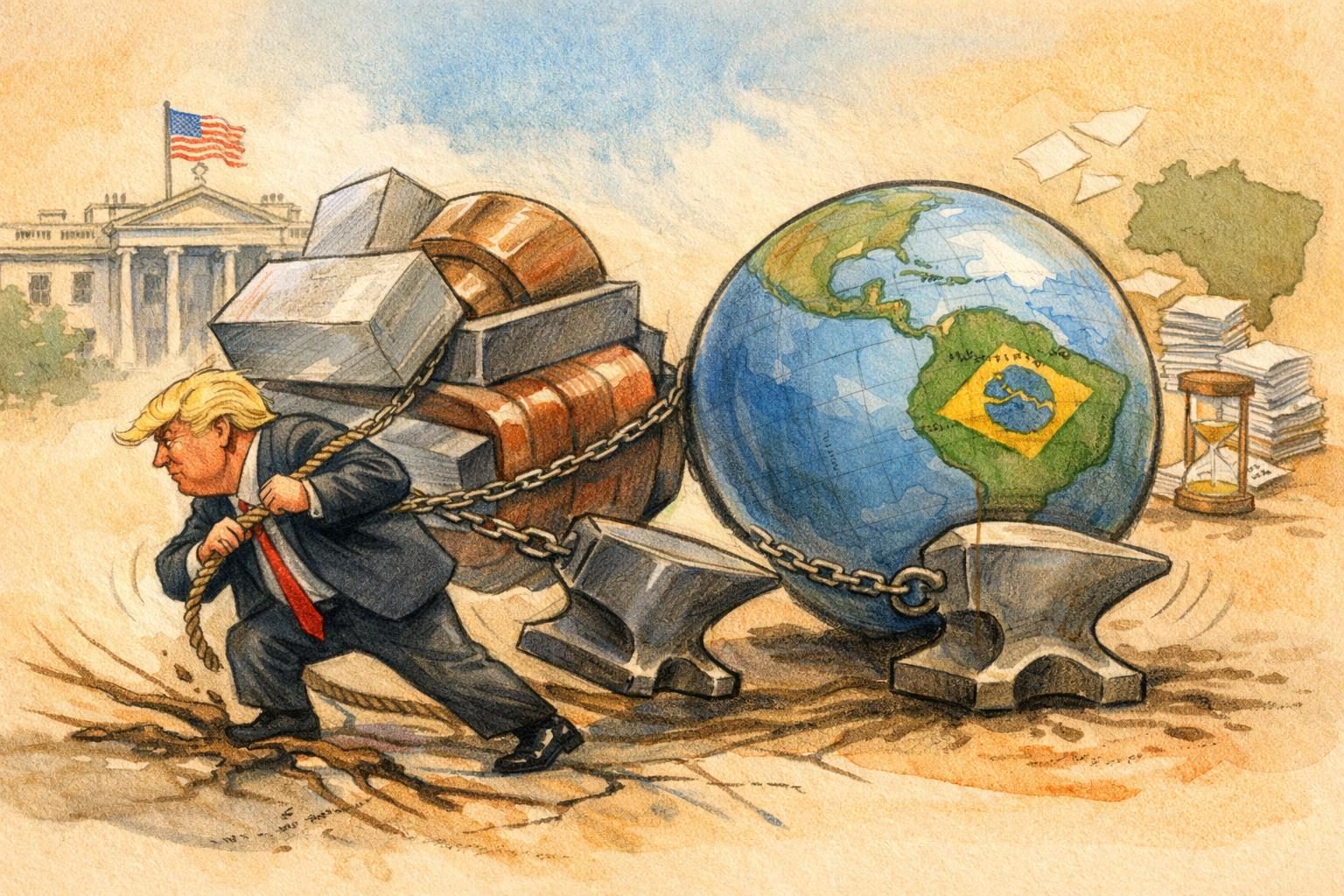
The Trump administration spent June 1, 2026, tightening one tariff regime and opening another trade fight. In a presidential proclamation, the White House said it was further adjusting the existing Section 232 tariff systems for aluminum, steel and copper, including changes to duties on certain derivative products and the threshold for goods to qualify as made entirely from American metal. ([whitehouse.gov](https://www.whitehouse.gov/presidential-actions/2026/06/further-adjusting-the-tariff-regimes-for-imports-of-aluminum-steel-and-copper-into-the-united-states/))
The metals action was not a fresh tariff universe. The proclamation explicitly said the president was modifying tariff regimes already established under prior Section 232 actions, including earlier measures on aluminum, steel and copper. It also said the changes were meant to respond to updated information from the Commerce Department and to keep the national-security rationale behind those regimes in place. ([whitehouse.gov](https://www.whitehouse.gov/presidential-actions/2026/06/further-adjusting-the-tariff-regimes-for-imports-of-aluminum-steel-and-copper-into-the-united-states/))
The same day, the U.S. Trade Representative issued a Section 301 determination on Brazil. USTR said certain Brazilian acts, policies and practices involving digital trade and electronic payment services, preferential tariffs, anti-corruption enforcement, intellectual property protection, ethanol market access and illegal deforestation were unreasonable and burdened or restricted U.S. commerce. USTR then proposed responsive action for public comment; that was the start of a process, not immediate retaliation. ([ustr.gov](https://www.ustr.gov/about/policy-offices/press-office/press-releases/2026/june/ustr-section-301-determination-brazils-unreasonable-acts-policies-and-practices))
That distinction matters. The Brazil finding does not by itself impose a penalty. USTR said written comments were due July 1, 2026, with a hearing set for July 6, and it pointed to a statutory deadline of July 15, 2026, for taking responsive action. In other words, the agency has moved the case forward, but the next step still runs through the comment and hearing process. ([ustr.gov](https://www.ustr.gov/about/policy-offices/press-office/press-releases/2026/june/ustr-section-301-determination-brazils-unreasonable-acts-policies-and-practices))
Taken together, the June 1 actions show the administration doing two different things at once: revising an existing metals tariff structure and building a separate case against Brazil under trade law. One changes how the metal regime works at the margins. The other puts the government on a timetable to decide whether and how to answer the Brazil complaints. ([whitehouse.gov](https://www.whitehouse.gov/presidential-actions/2026/06/further-adjusting-the-tariff-regimes-for-imports-of-aluminum-steel-and-copper-into-the-united-states/))
For importers and manufacturers, that means more moving parts, but not all of them move the same way. The metals proclamation can change duty treatment directly. The Brazil matter still has to clear the administrative process before any responsive tariff action lands. ([whitehouse.gov](https://www.whitehouse.gov/presidential-actions/2026/06/further-adjusting-the-tariff-regimes-for-imports-of-aluminum-steel-and-copper-into-the-united-states/))
Comments
Threaded replies, voting, and reports are live. New users still go through screening on their first approved comments.
Log in to comment
No comments yet. Be the first reasonably on-topic person here.