
Trump’s tariff push is paired with tighter customs policing
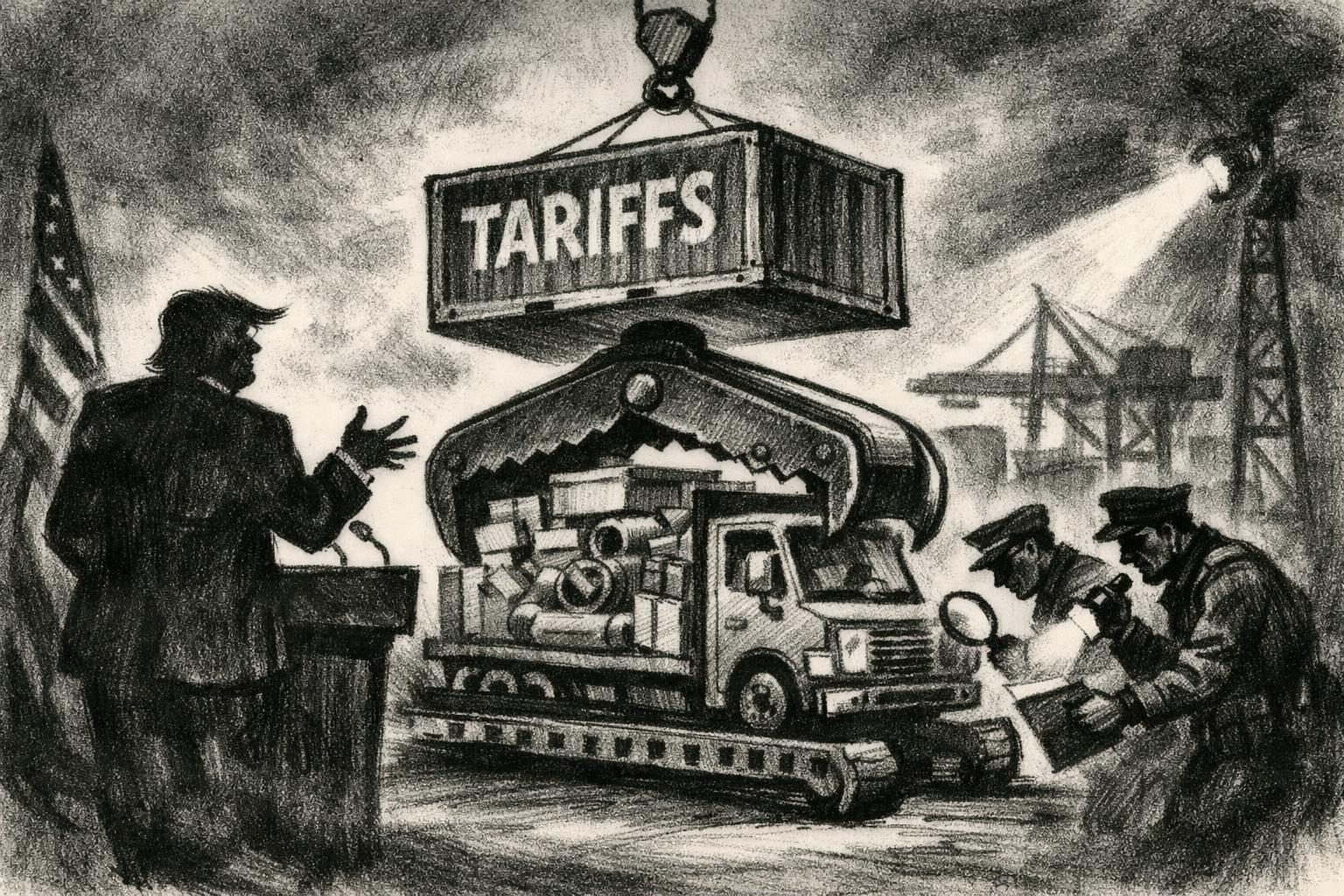
The White House spent the first week of June tightening its grip on trade from two directions at once. On June 1, it issued a proclamation revising tariffs on steel, aluminum and copper imports, then on June 3 followed with an executive order designed to make customs enforcement more aggressive. The combination matters because it does not simply raise the price of imported goods; it also raises the cost of proving that those goods were entered correctly, classified correctly and paid for correctly. In practice, that means the administration is pushing on both ends of the supply chain at the same time. Importers now face a policy environment that is less forgiving, more expensive and harder to predict than it was at the end of May. The trade message is unmistakable: bring goods into the country at your own risk, and assume the government will be looking more closely at every step.
The June 1 proclamation reached beyond the core metals fight. It set out changes that lower tariffs on some agricultural equipment, including combines and harvesters, from 25% to 15%, while also imposing a 15% tariff on certain industrial equipment such as bulldozers and forklifts when those products come from trade deal countries that qualify for the treatment described in the order. The White House said the tariff changes are temporary and will run through Dec. 31, 2027, which suggests an attempt to present the policy as targeted and adjustable rather than blanket protectionism. That framing may matter politically, but it does not erase the practical effect. Businesses that rely on imported machinery and metal inputs still have to absorb new costs, rethink sourcing strategies and revise pricing models in a market where nothing is guaranteed to stay put for long. Temporary tariffs can still cause lasting disruption if buyers and suppliers start making decisions around a policy that may or may not be in place three years from now. For firms trying to plan capital spending, production schedules or inventory levels, that uncertainty can be as damaging as the duty itself.
The June 3 customs order is the part of the package that turns the screw on enforcement. It directs the Department of Homeland Security and Customs and Border Protection to strengthen importer requirements, including bonding rules, vetting, disclosure expectations and standards tied to importer-of-record status. It also calls for tighter measures aimed at duty evasion and noncompliance with supply-chain rules. That means more scrutiny not only on what is being imported, but on who is bringing it in, how the paperwork is filed and whether the importer can document that the transaction matches the stated classification and origin. For large multinational companies, that may mean more lawyers, more compliance staff and more back-and-forth with brokers and logistics providers. For smaller importers, the effect could be more punishing, since they often have fewer resources to absorb additional administrative demands. The administration’s argument is that stricter controls are needed to make sure the government collects what it is owed and to close loopholes that can be exploited by bad actors. The operational reality, however, is that legitimate businesses will also spend more time and money satisfying the new requirements.
Taken together, the tariff proclamation and the customs order amount to a broader trade squeeze that reaches well beyond the headline numbers. Tariffs impose a direct cost at the border, while tighter enforcement increases the friction of moving goods through the system. That combination is especially consequential for industries that depend on steel, aluminum, copper and equipment made from those materials, because they are likely to feel the pressure both in raw input costs and in the paperwork needed to clear shipments. The White House can cast the strategy as discipline, fairness and national security, and those themes will probably resonate with supporters who want a tougher stance on imports. But the risks are obvious too. Costs can cascade through supply chains, delays can accumulate, and compliance headaches can become a hidden tax on firms that are not doing anything wrong. The longer those effects persist, the harder it becomes to argue that the policy is just a technical correction rather than a meaningful drag on commerce. The administration is betting that toughness will be easier to sell than the pain that follows, but the invoices, bond requirements and customs filings will tell the fuller story. If the policy begins to bite where companies and consumers actually live, the political case for it may be less convincing than the rhetoric suggests.
Comments
Threaded replies, voting, and reports are live. New users still go through screening on their first approved comments.
Log in to comment
No comments yet. Be the first reasonably on-topic person here.