
Trump issues AI cybersecurity order and separate national-security memo
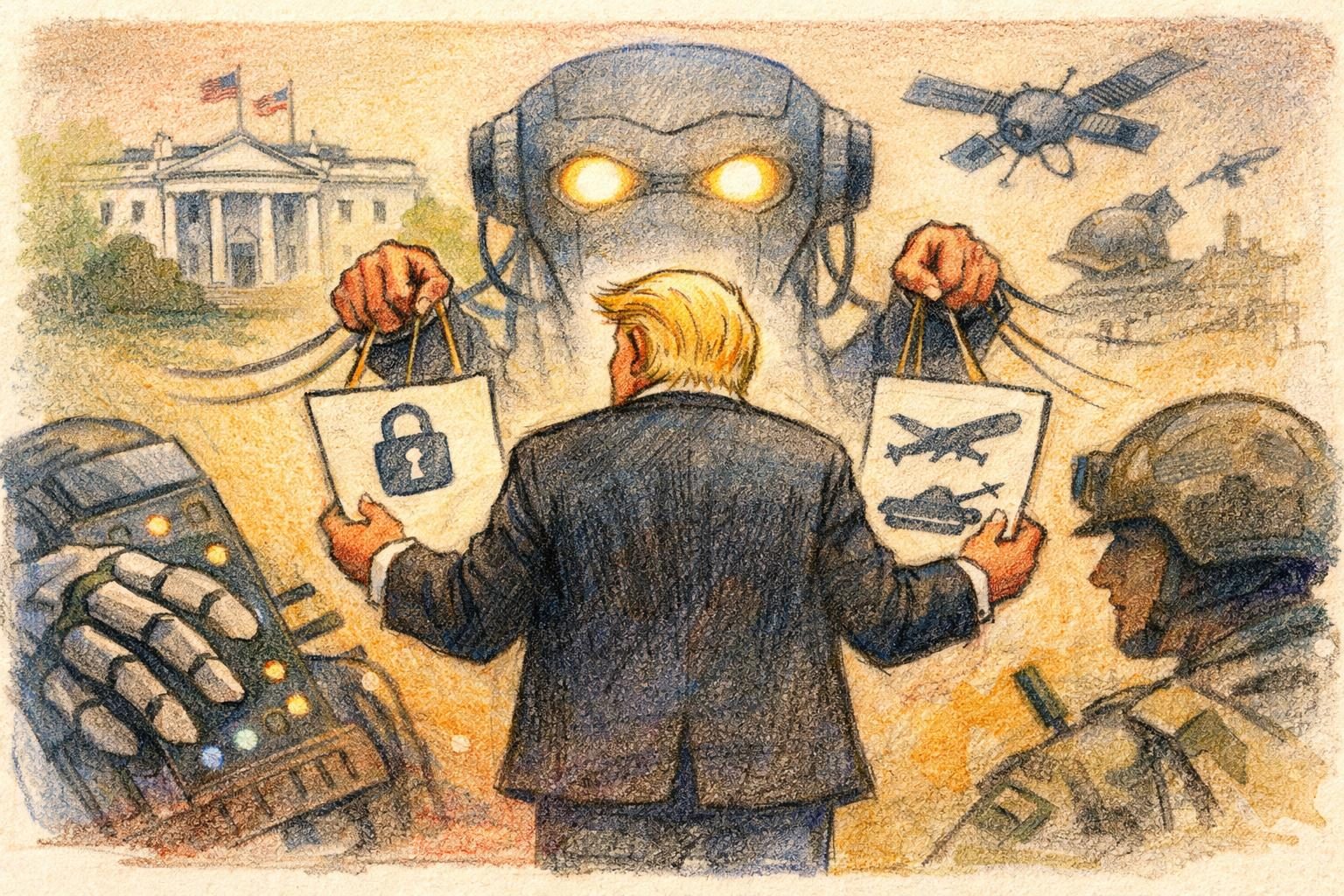
The White House is moving on two AI tracks at once: one aimed at cybersecurity and critical infrastructure, the other at national-security use. On June 2, President Donald Trump signed an executive order that says it will advance American AI innovation to strengthen cybersecurity, protect critical infrastructure, and keep the U.S. ahead in AI. The order directs agencies to prioritize cyber defense for national security systems, Defense Department information systems, and civilian federal systems, and it tells officials to expand access to AI-enabled cybersecurity tools for federal agencies, state and local authorities, and critical infrastructure operators such as rural hospitals, community banks, and local utilities.
The June 2 order also sets up a voluntary review path for frontier model developers. Under that framework, companies may choose to give the federal government pre-release access to covered models for up to 30 days, along with supporting information for benchmarking and security review. The point is access and evaluation, not a blanket federal licensing regime. The order says it does not create a mandatory approval process for developing, releasing, publishing, or distributing new models.
A separate White House memorandum issued June 5 takes the national-security side further. That memo directs the national security enterprise to accelerate AI adoption for warfighters and intelligence professionals, adapt commercial and open-source tools for mission use, and build out high-security computing capacity. It also calls for an AI National Security Strategic Reserve made up of non-governmental experts who can be tapped to support federal work.
The memorandum goes beyond general encouragement. It says departments and agencies must ensure that no commercial entity or adversary can prevent use of, disable or degrade, or materially modify an AI system that American warfighters depend on for their missions without federal knowledge and approval. It also directs the Secretary of War to issue an updated version of DOD Directive 3000.09 on autonomy in weapon systems within 90 days.
Both documents say the administration wants faster AI deployment, but with different controls. The June 2 order is built around cyber defense, critical infrastructure, and voluntary model access for review. The June 5 memo is aimed at national-security users, with stricter rules for resilience, accountability, and system integrity. Together, they show a White House trying to speed up AI use inside government while keeping closer hold on what gets reviewed, fielded, and protected.
Comments
Threaded replies, voting, and reports are live. New users still go through screening on their first approved comments.
Log in to comment
No comments yet. Be the first reasonably on-topic person here.