
Trump’s AI directives push faster adoption and tighter control at once
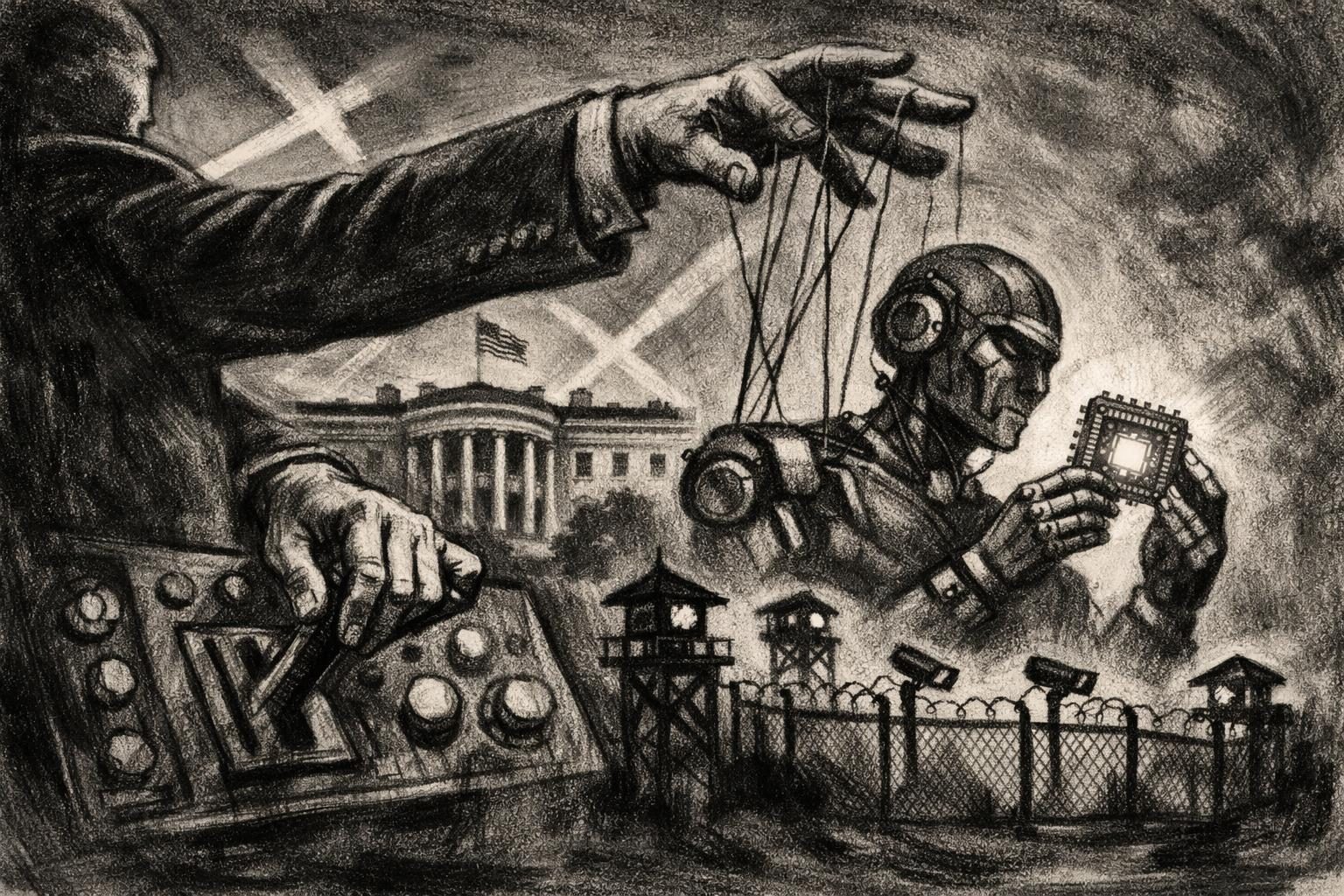
The Trump White House is trying to do two things with artificial intelligence at the same time: speed up adoption and tighten federal grip over where and how the technology gets used. That tension runs through a new executive order and a separate national-security memorandum issued days apart in early June. Together, they present AI as both a competitiveness issue and a control problem, with the federal government promising to push the technology deeper into civilian, defense, and intelligence systems while also setting clearer guardrails around what qualifies for use. The administration’s basic argument is simple enough. If AI is going to shape cybersecurity, infrastructure protection, and military advantage, then Washington should move fast enough to keep pace with the threat and with rivals. But the method is unmistakably top-down, relying on directives, priorities, and centralized review rather than a looser market-led approach. That makes the policy less a clean deregulatory sprint than a managed acceleration, with the White House trying to solve a governance challenge by leaning harder on command-and-control.
On June 2, Trump signed an executive order aimed at promoting advanced AI innovation and security, with a particular focus on cybersecurity and critical infrastructure. The order says it is meant to strengthen American AI innovation, improve cyber defense, and keep the U.S. ahead in AI development. It directs agencies to prioritize cyber defense efforts for national security systems, Defense Department information systems, and civilian federal systems. It also tells officials to expand access to AI-enabled cybersecurity tools for federal agencies, state and local governments, and operators of critical infrastructure. That group is cast broadly enough to include rural hospitals, community banks, and local utilities, which signals that the administration wants the policy to reach far beyond the Pentagon. In practical terms, the order suggests an effort to normalize AI as a routine tool for defense and protection rather than as an experimental add-on. At the same time, the language around prioritization implies the government will be deciding which uses count as urgent, which tools are suitable, and which systems deserve first access. That is not a small amount of federal discretion for a policy presented as a boost to innovation.
The cybersecurity framing matters because it gives the administration a politically durable reason to push AI into more places without having to argue only on productivity grounds. Few policymakers are likely to oppose better defenses for hospitals, banks, or utilities, especially if the stated goal is to reduce the damage from hacking, disruption, or fraud. But a push for AI-enabled defense also increases dependence on systems that may be opaque, expensive, or unevenly tested across different settings. Rural hospitals and small local utilities, for example, may not have the in-house expertise to evaluate vendors or manage new tools once they are rolled out. The order appears to recognize that gap by making access part of the policy, but access alone does not solve deployment, oversight, or liability questions. There is also an implicit assumption that more AI will translate into better security, when the real-world results may depend on implementation, maintenance, and whether federal guidance keeps up with rapidly changing models. Even so, the order shows an administration trying to turn AI into a standard piece of the national cyber-defense toolkit rather than a niche upgrade reserved for large, well-funded agencies. That could speed adoption, but it also concentrates more authority in the hands of federal officials who will help define what counts as secure, approved, and ready for use.
The June 5 national-security memorandum pushes the same logic further into the defense and intelligence world. It directs the national security enterprise to accelerate AI adoption for warfighters and intelligence professionals, adapt commercial and open-source tools for mission use, and expand high-security computing capacity. That combination is telling. It indicates the White House does not want national-security agencies to build everything from scratch, but it also does not want them simply buying whatever is available off the shelf. Instead, it is asking agencies to take commercial and open-source systems and reshape them for mission use under tighter security conditions. That approach may make sense in an environment where the private sector is moving faster than government labs, but it also raises questions about oversight, procurement, and what kinds of external tools will be deemed trustworthy enough to enter sensitive systems. Building out high-security computing capacity suggests an effort to give agencies the infrastructure they need to train, test, and deploy models without relying entirely on commercial environments. Yet that too reflects the same centralizing impulse: more capability, but under stronger federal management. The memo does not read like a retreat from AI caution so much as a plan to make caution compatible with acceleration.
Taken together, the two actions show an administration that sees AI as too important to leave loosely governed, but also too strategically important to slow down. The public message is about innovation, security, and keeping the United States ahead, and those themes are hard to argue with in the abstract. The more revealing part is how much the policy depends on the federal government choosing priorities, setting access rules, and steering adoption across disparate sectors. That may help address a real governance problem, especially if agencies are trying to keep pace with cyber threats and national-security rivals. But it also means the White House is solving one control issue by adding another layer of control. Whether that tradeoff works will depend on execution: how quickly agencies can adopt useful tools, how carefully they can vet them, and whether the system they build ends up more flexible or simply more centralized. For now, the administration is betting that faster AI adoption and tighter oversight can travel together. The question is whether the result will be a more capable government, a more dependent one, or both.
Comments
Threaded replies, voting, and reports are live. New users still go through screening on their first approved comments.
Log in to comment
No comments yet. Be the first reasonably on-topic person here.