
Trump’s AI order sells speed, but the oversight gap is the real problem
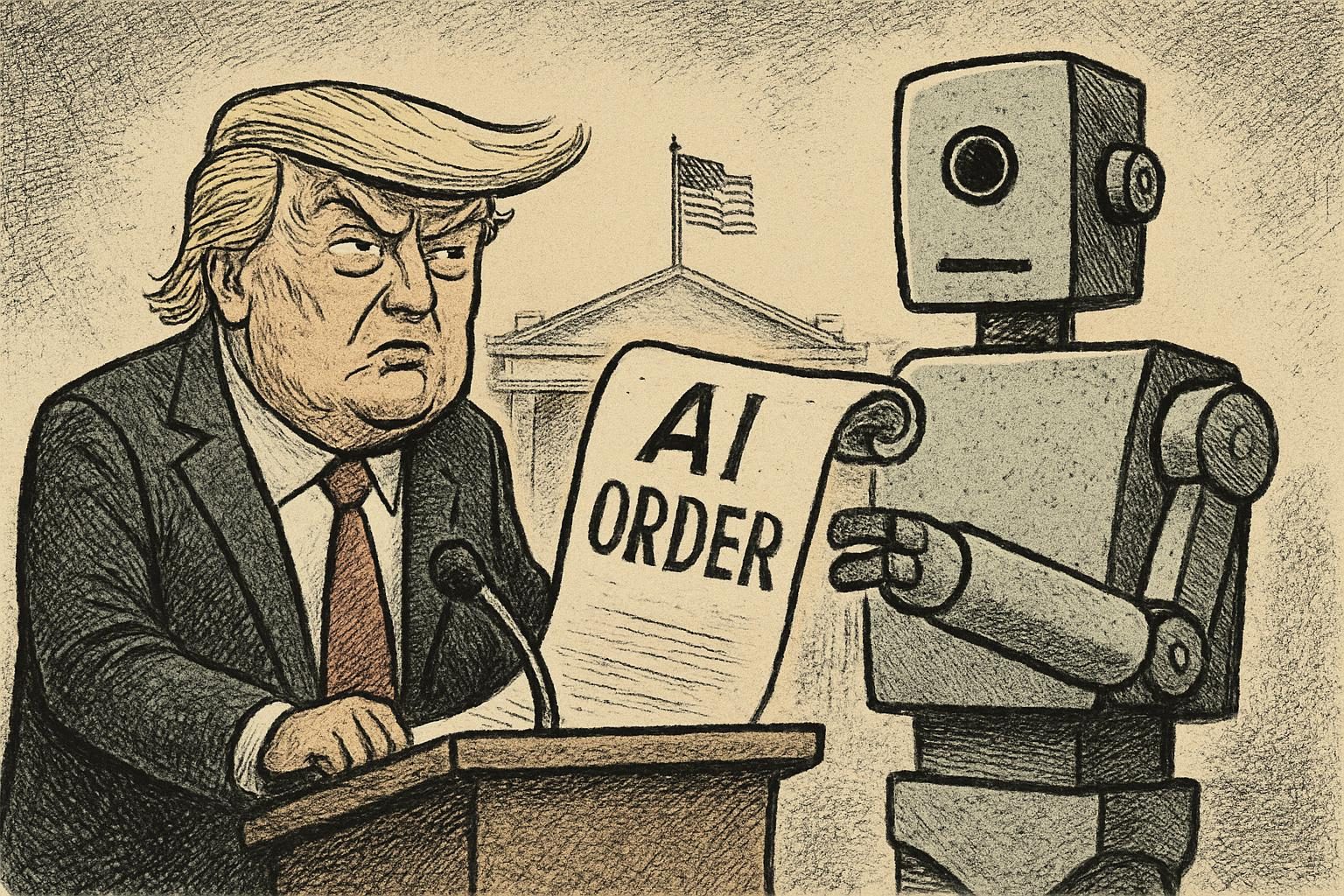
President Donald Trump signed an executive order on June 2, 2026, that aims to push artificial intelligence deeper into the federal cybersecurity playbook. The order tells agencies to prioritize the cyber defense of national security systems, Department of War information systems, and civilian federal networks. It also directs officials to make it easier for federal agencies, state and local authorities, and some critical infrastructure operators to get access to AI-enabled cybersecurity tools and services. That is a narrower and more concrete ambition than a blanket drive to spread AI everywhere. It is a security order first, an innovation order second, and it is built around speed.
The White House says the point is to strengthen cybersecurity, protect critical infrastructure, and keep the United States ahead in AI. The order creates an AI cybersecurity clearinghouse, sets up a voluntary framework with developers of covered frontier models, and calls for a classified benchmarking process so the government can assess advanced cyber capabilities. It also explicitly says the order does not authorize a mandatory licensing, preclearance, or permitting system for new AI models. In other words, the administration is trying to accelerate adoption and coordination without turning the whole thing into a hard regulatory gate.
That distinction matters, because the real burden lands on the agencies asked to make the thing work. Faster access to AI tools is not the same as safer use of them. Federal officials still have to decide which systems are tested, which vendors can be trusted with sensitive data, how much human review is required, and what happens when a model makes a bad call in a workflow tied to security, procurement, or infrastructure. The order pushes agencies toward more use, but it does not eliminate the ordinary problems of procurement, oversight, audit trails, training, and accountability. It just makes those problems show up faster.
That is where the politics and the policy separate. Trump likes executive action that can be described in one sentence and sold as proof of momentum. The order does that. It says the government should move quickly, coordinate with industry, and deploy better tools against cyber threats. But AI systems do not become reliable because a president says they should move faster. They become reliable when someone tests them, limits them, documents them, and keeps a human being responsible for the outcome. If agencies treat the order as permission to sprint past those steps, the result will be less like modernization and more like a fresh pile of avoidable mistakes.
There is also a basic problem of false confidence. AI can sound authoritative even when it is wrong, and that makes its failures easier to miss until they have already spread through a process. A human error usually leaves a visible trail. A machine-assisted error can look clean, official, and objective right up until it breaks something important. That is why the White House’s emphasis on rapid deployment deserves scrutiny. The administration is right that AI can help with cybersecurity and defense. It is also right that the federal government should not freeze itself out of useful tools. But speed is not a substitute for control, and a voluntary framework is not the same thing as a real oversight regime. If the order becomes a foundation for better guardrails, it may prove useful. If it mainly becomes pressure to adopt first and explain later, the government will have bought itself a faster version of the same old implementation mess.
Comments
Threaded replies, voting, and reports are live. New users still go through screening on their first approved comments.
Log in to comment
No comments yet. Be the first reasonably on-topic person here.