
Iran war-powers backlash sharpens as Trump’s authority fight gets uglier
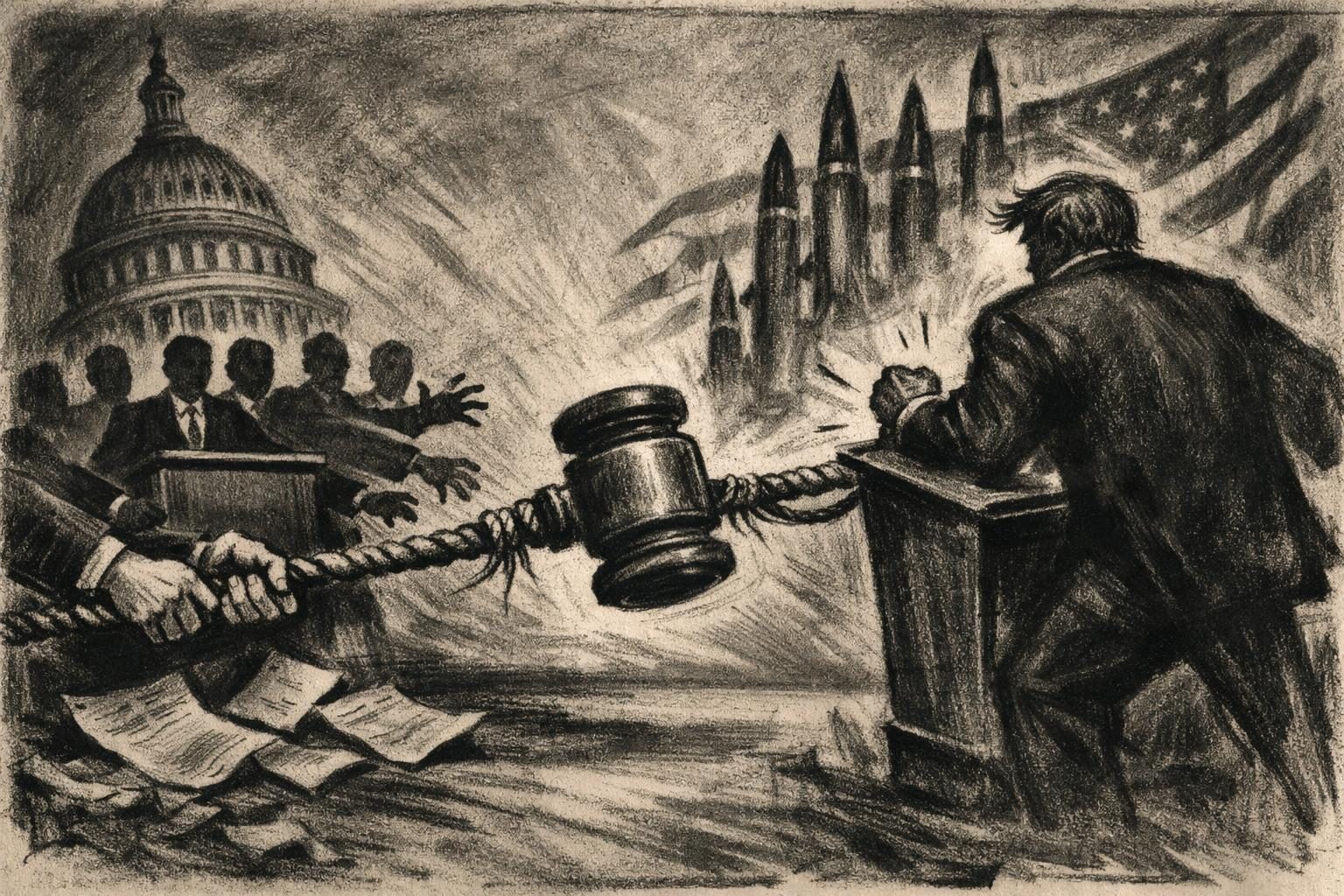
Congress is making sure the Iran fight does not dissolve into the familiar haze of presidential war-making, and that is creating a fresh political problem for Donald Trump. The House’s June 3 vote on a war powers resolution, which passed 215-208 with four Republicans joining Democrats, was not a binding stop sign on military action, but it was a clear public warning that lawmakers are prepared to challenge how the administration is handling the conflict. That matters because the resolution puts the White House on record as facing organized institutional resistance at the very moment Trump is trying to project control. The administration has argued that its actions are legally justified and appropriately limited, but Congress is pushing back on the larger question of whether the president can keep edging the country toward a wider confrontation without seeking broader approval. In Washington, that is more than a procedural fight. It is a test of whether the executive branch can effectively treat the legislature as a bystander once military force has already been set in motion.
The sharpest edge of the backlash is that it is not coming only from Democrats. Four Republicans voted for the resolution, and that gives the episode a different kind of political force inside Trump’s own coalition. A purely partisan rebuke is easy for the White House to dismiss as reflex or performance, but defections from the president’s party complicate that script and turn the issue into a question of loyalty, discipline, and judgment. If even some Republicans are willing to say the administration has pushed too far, then Trump cannot simply wave away the criticism as coming from people who were never going to support him anyway. That creates a more dangerous political dynamic for the White House because many of those lawmakers are normally more inclined than Democrats to defer to a Republican president on national security. Their unease suggests the Iran issue is not being absorbed into a neat consensus around executive flexibility. Instead, it is becoming a visible contest over whether Trump can be trusted to manage military escalation without dragging Congress along after the fact.
That is where the argument turns from symbolism to governing pressure. War powers disputes have a way of widening once they start, because every claim of necessity invites the next question about limits, oversight, and accountability. When the administration says it needs room to act, critics hear a demand for permission to bypass Congress until the situation becomes too advanced to reverse. When Trump insists the conflict is contained, opponents point to the vote itself as proof that lawmakers do not believe the administration’s assurances. The result is a political trap: the more the White House emphasizes flexibility, the more it looks like an attempt to avoid consultation; the more it insists everything is under control, the more the legislative pushback looks like evidence that control is already slipping. The president may still have the formal authority he claims, but the ground beneath him is shifting. He is no longer just defending military action. He is defending the way he chose to launch it, justify it, and keep Congress at arm’s length while the stakes rise.
That is especially awkward for a president who likes to rely on speed, momentum, and blunt force in public debate. Trump’s usual instinct is to move quickly, overwhelm critics with volume, and make resistance seem irrelevant before it can harden into a durable check. The Iran episode is not cooperating with that style. Each new congressional move makes the issue more durable, not less, because it creates a paper trail lawmakers can use later if the conflict escalates or if another administration inherits the same authority dispute. The June 3 vote may not stop aircraft or missiles, but it does establish a record of resistance that can be cited in hearings, future resolutions, and arguments over the scope of presidential power. That is what makes the battle larger than one crisis. It is becoming a precedent fight, and those often matter long after the immediate fighting pauses. If the White House believes the matter will fade once the headlines shift, it may be underestimating how much lawmakers now want to use Iran as the example that proves Congress still has a constitutional role to play. In that sense, the real conflict is not just over the Middle East. It is over whether Trump can keep treating war powers as a unilateral presidential instrument while the legislature makes a show of refusing to play along.
Comments
Threaded replies, voting, and reports are live. New users still go through screening on their first approved comments.
Log in to comment
No comments yet. Be the first reasonably on-topic person here.