
Trump’s trade regime is adding new strain to customs
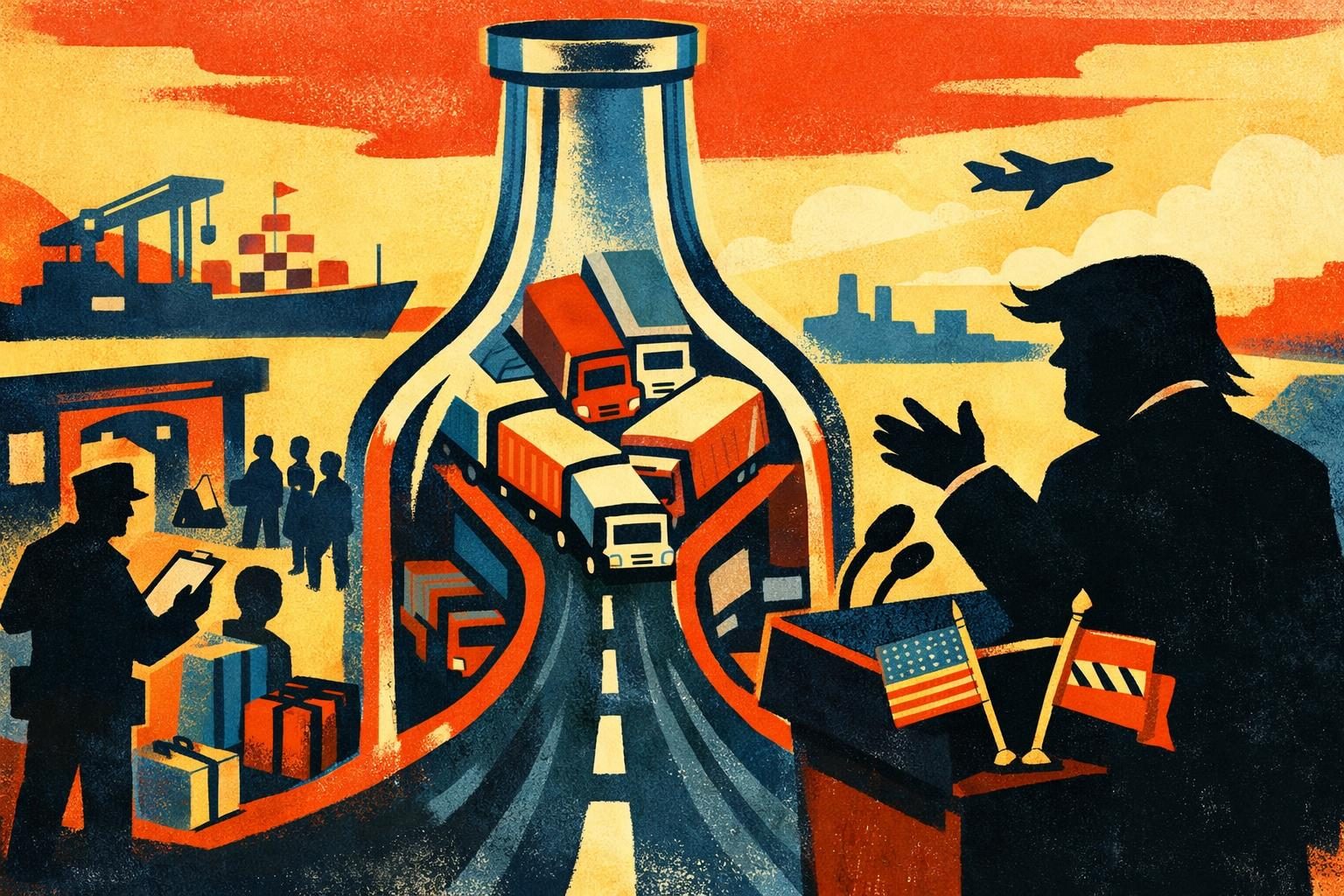
The Trump administration is layering fresh pressure onto importers from two sides at once: a new customs enforcement order that tells Homeland Security and Customs and Border Protection to tighten vetting and documentation rules through the normal rulemaking process, and a separate metals tariff action that is already in force. On June 3, the White House said DHS and CBP will develop stronger importer-of-record standards, bonding requirements, disclosure rules and certifications aimed at duty evasion and other noncompliance. But the administration also said those changes will not take effect immediately, because the agencies are expected to move through standard rulemaking and other implementation steps first.
That delay matters. The customs order is not an overnight switch; it is a directive to build a tougher enforcement regime over time. The White House says the process will give affected parties a chance to adjust as the rules are written. Even so, the direction is clear enough. Importers should expect tighter identity checks, more pressure to substantiate declarations, and stronger financial safeguards once the rules are finalized. That is a meaningful shift from business as usual, even before the government finishes turning the order into enforceable regulations.
The metals action is more immediate. The White House issued the tariff proclamation on June 1, and the tariff changes became effective on June 8, at 12:01 a.m. Eastern time for covered entries. That creates a separate problem for importers, who have to work with a live rate change while the customs enforcement overhaul is still being written. For companies that buy steel, aluminum or copper, or that rely on products made with those inputs, the new duties can affect landed cost calculations, sourcing plans and contract terms right away.
Taken together, the two moves do not prove that ports are slowing down today. What they do show is a customs system that is becoming harder to navigate. More screening, more paperwork, more certifications and more timing sensitivity are all likely to raise the cost of moving goods, even if the full operational impact is still ahead. The White House is framing the changes as an anti-evasion effort and a way to make sure duties are actually collected. Importers are likely to experience them as another round of compliance drag in a trade regime that keeps getting more complex.
Comments
Threaded replies, voting, and reports are live. New users still go through screening on their first approved comments.
Log in to comment
No comments yet. Be the first reasonably on-topic person here.