
DOJ tells court its anti-weaponization fund is on hold, but the case stays alive
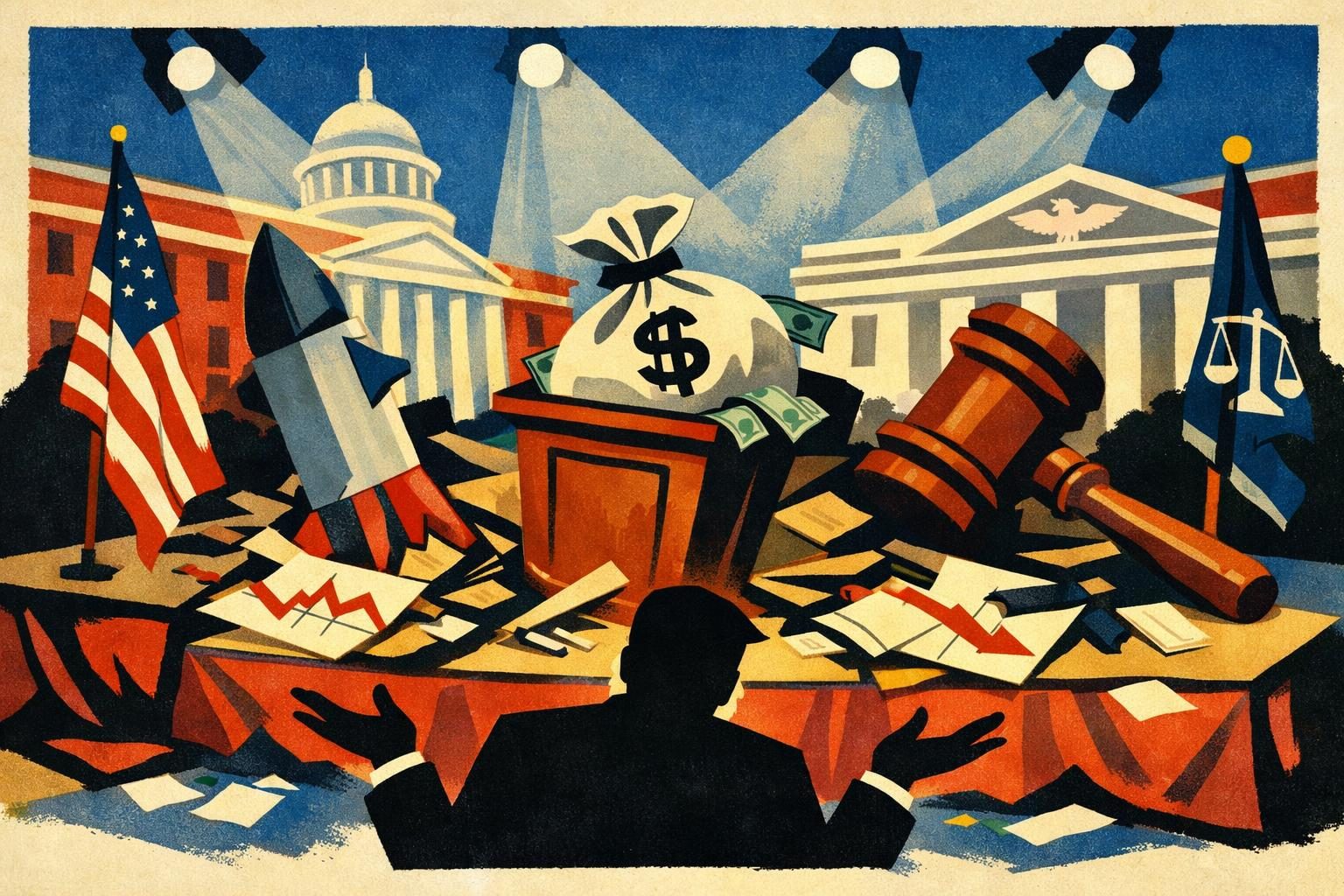
The Justice Department has tried to take the air out of its own anti-weaponization fund, but the court dispute around it is still hanging around. On June 5, government lawyers told a federal judge they were not moving forward with the fund announced in May and argued the lawsuit should be treated as moot. That was not enough to make the case disappear. Judge Leonie Brinkema had already blocked the program on May 29, and on June 12 she kept that restraint in place while making clear the government could not simply resurrect the idea without coming back to court.
The fund traces back to a settlement resolving Donald Trump’s lawsuit over the leak of tax return information. In the Justice Department’s May 18 announcement, the department said the deal would include an apology, no money damages for the plaintiffs, and a claims fund financed through the Judgment Fund. DOJ said five people appointed by the attorney general would oversee it, with authority to decide claims and award money. The department also said the fund would stop processing claims no later than Dec. 1, 2028. Even on paper, it was an unusual arrangement: a public compensation mechanism built around a settlement, managed by political appointees, and framed in the language of “weaponization” and “lawfare.”
That combination drew an immediate challenge. Critics argued that the structure gave the attorney general too much control over public money and turned a private settlement into something much broader than a routine payment. Brinkema’s May 29 order put the brakes on payouts and related steps while the case moved forward. Her June 12 ruling kept that block alive after the government said it was not pressing ahead with the fund. The practical effect is simple enough: DOJ says the fund is not moving forward, but the court is not treating the issue as erased just because the department changed its position.
For now, the fund remains frozen and the litigation remains open. The government’s June 5 filing may have narrowed the dispute, but it did not end it. Brinkema’s June 12 order left the question of what happens next squarely on the docket, along with the larger problem created by the original announcement: once the department set up a politically branded compensation scheme, put it on the record, and then faced suit over it, backing away was never likely to be clean.
Comments
Threaded replies, voting, and reports are live. New users still go through screening on their first approved comments.
Log in to comment
No comments yet. Be the first reasonably on-topic person here.