
Trump signs June 2 AI order, then June 5 security memo tightens limits
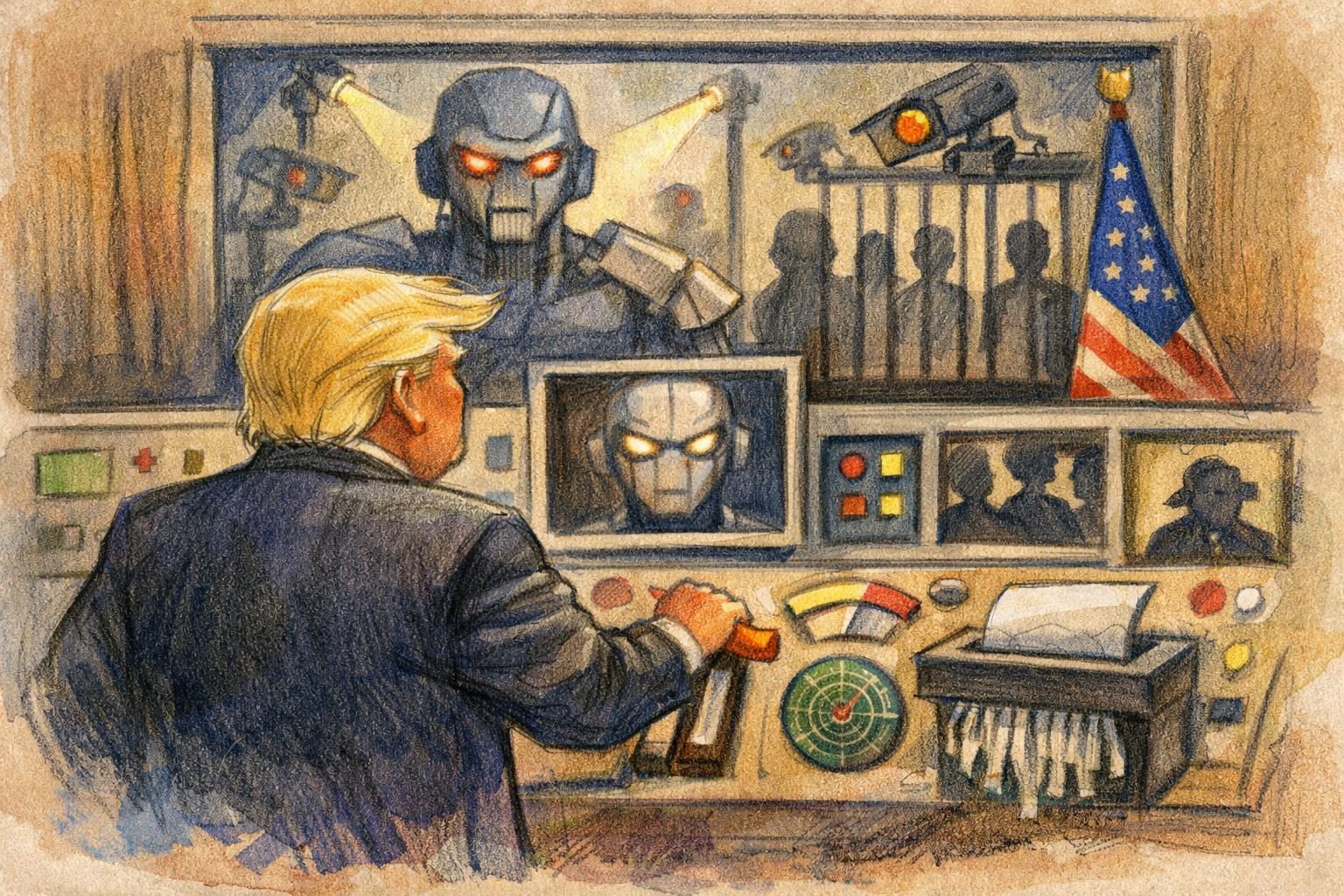
President Donald Trump moved on two separate June dates to put more of the federal government’s AI policy under White House control. On June 2, 2026, he signed an executive order on advanced artificial intelligence innovation and security. On June 5, he issued a national security presidential memorandum aimed at the national security enterprise. The two actions are related, but they do different jobs: one is about cyber defense, deployment, and model access; the other sets rules for how national security agencies may use AI. The June 2 order also says it does not authorize any mandatory licensing, preclearance, or permitting requirement for AI models. ([whitehouse.gov](https://www.whitehouse.gov/presidential-actions/2026/06/promoting-advanced-artificial-intelligence-innovation-and-security/))
The June 2 order tells agencies to prioritize the cyber defense of national security systems, civilian federal systems, and Defense Department information systems. It directs officials to expand access to AI-enabled cybersecurity tools and services for federal agencies, state and local authorities, and critical infrastructure operators such as rural hospitals, community banks, and local utilities. It also calls for a classified benchmarking process to evaluate advanced cyber capabilities in frontier models and a voluntary framework that would let developers share certain models with the government before release. ([whitehouse.gov](https://www.whitehouse.gov/presidential-actions/2026/06/promoting-advanced-artificial-intelligence-innovation-and-security/))
The order’s central limit is explicit. It says nothing in that section should be read to create a mandatory government licensing, preclearance, or permitting regime for developing, publishing, releasing, or distributing new AI models. In other words, the White House is asking for earlier visibility into powerful systems, but not claiming a blanket legal power to approve or block them before they reach the market. The same order also sets up an AI cybersecurity clearinghouse, voluntary coordination with industry and critical infrastructure operators, and new hiring and funding steps tied to cybersecurity talent and advanced AI tools. ([whitehouse.gov](https://www.whitehouse.gov/presidential-actions/2026/06/promoting-advanced-artificial-intelligence-innovation-and-security/))
The June 5 memorandum is narrower in scope and sharper in its restrictions. It applies to the national security enterprise, which the White House defines to include the Department of War, the Intelligence Community, and other agencies that develop, deploy, or use national security systems or otherwise serve a national security role. The memo says American AI technologies shall neither be developed nor used by that enterprise to censor free speech, embed ideological bias, or conduct unauthorized or unlawful surveillance activities. It also says AI use in that space must stay consistent with civil liberties and constitutional and legal protections for privacy. ([whitehouse.gov](https://www.whitehouse.gov/presidential-actions/2026/06/national-security-presidential-memorandum-nspm-11/))
The memorandum also makes accountability personal. It says commanders, directors, and heads of agencies remain responsible and accountable for making sure those obligations are met at every level of command. It then directs updated policies for defense and intelligence agencies, including changes to autonomy guidance and contract actions against companies that repeatedly act in ways the memo says conflict with its policy. ([whitehouse.gov](https://www.whitehouse.gov/presidential-actions/2026/06/national-security-presidential-memorandum-nspm-11/))
Taken together, the two actions show the administration trying to speed up AI adoption inside government while drawing a line around what federal national security agencies cannot do with it. The June 2 order pushes testing, access, and cyber defense. The June 5 memo adds speech, bias, and surveillance limits for the national security enterprise. It is not a new federal AI licensing system. It is a tighter federal rulebook for how agencies test, buy, and use advanced systems, with the White House moving first instead of leaving the details to the bureaucracy.
Comments
Threaded replies, voting, and reports are live. New users still go through screening on their first approved comments.
Log in to comment
No comments yet. Be the first reasonably on-topic person here.