
DOJ cites Trump AI order in bid to intervene in Mississippi xAI suit
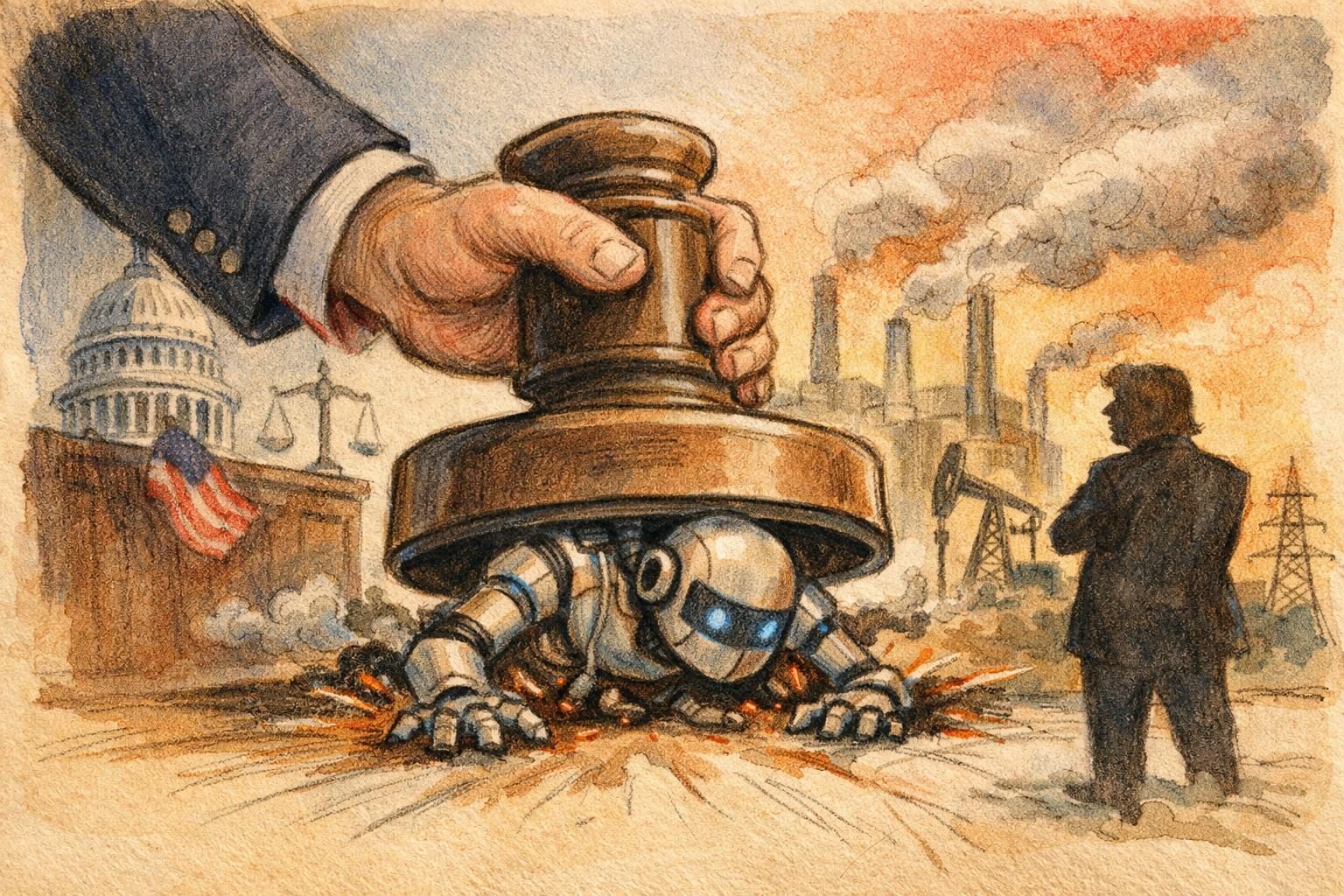
The Justice Department asked a federal court on June 16 to step into a Clean Air Act lawsuit targeting xAI and try to get it thrown out, arguing the case threatens more than one company’s power supply. In its filing, the department said the dispute over the Southaven, Mississippi facility could interfere with American AI innovation, energy independence, and national security. The motion also pointed to President Donald Trump’s June 2 executive order on advanced artificial intelligence as part of the government’s rationale for getting involved. ([justice.gov](https://www.justice.gov/opa/pr/justice-department-files-intervene-and-dismiss-lawsuit-would-hamper-americas-ai-innovation))
DOJ’s filing says the underlying complaint challenges a private AI facility that trains and develops new models and that the State of Mississippi decided no permit was required under the state’s permitting program. The complaint tells a different story. It alleges that xAI and its subsidiary MZX Tech built and operated 27 gas-fired turbines without the permits required under the Clean Air Act and Mississippi’s state implementation plan, and it says the turbines continue to operate without proper authorization. The permit fight is still being litigated; the filing is not a final ruling on whether the site complied with the law. ([justice.gov](https://www.justice.gov/opa/pr/justice-department-files-intervene-and-dismiss-lawsuit-would-hamper-americas-ai-innovation))
The White House order cited by DOJ was issued on June 2 and directs federal agencies to promote AI innovation and security, including by working with the private sector to modernize systems and protect American intellectual property. DOJ used that policy backdrop to argue that private lawsuits seeking to enforce environmental laws on their own can threaten technological growth, energy independence, and national security. ([whitehouse.gov](https://www.whitehouse.gov/presidential-actions/2026/06/promoting-advanced-artificial-intelligence-innovation-and-security/))
The practical effect of DOJ’s move is straightforward: the government is trying to take control of a case that, on paper, is about air permits and turbine operations, but in the department’s telling is also about the pace and security of the country’s AI buildout. Whether the court lets the department intervene, and whether it agrees to dismiss the suit, will determine how far that argument goes. For now, the legal question remains narrower than the politics around it: who gets to enforce the Clean Air Act, and how much room the federal government has to treat an AI facility as a national-interest project when environmental claims land in court. ([justice.gov](https://www.justice.gov/opa/pr/justice-department-files-intervene-and-dismiss-lawsuit-would-hamper-americas-ai-innovation))
Comments
Threaded replies, voting, and reports are live. New users still go through screening on their first approved comments.
Log in to comment
No comments yet. Be the first reasonably on-topic person here.