
DOJ moves to toss xAI pollution case, citing Trump’s AI push
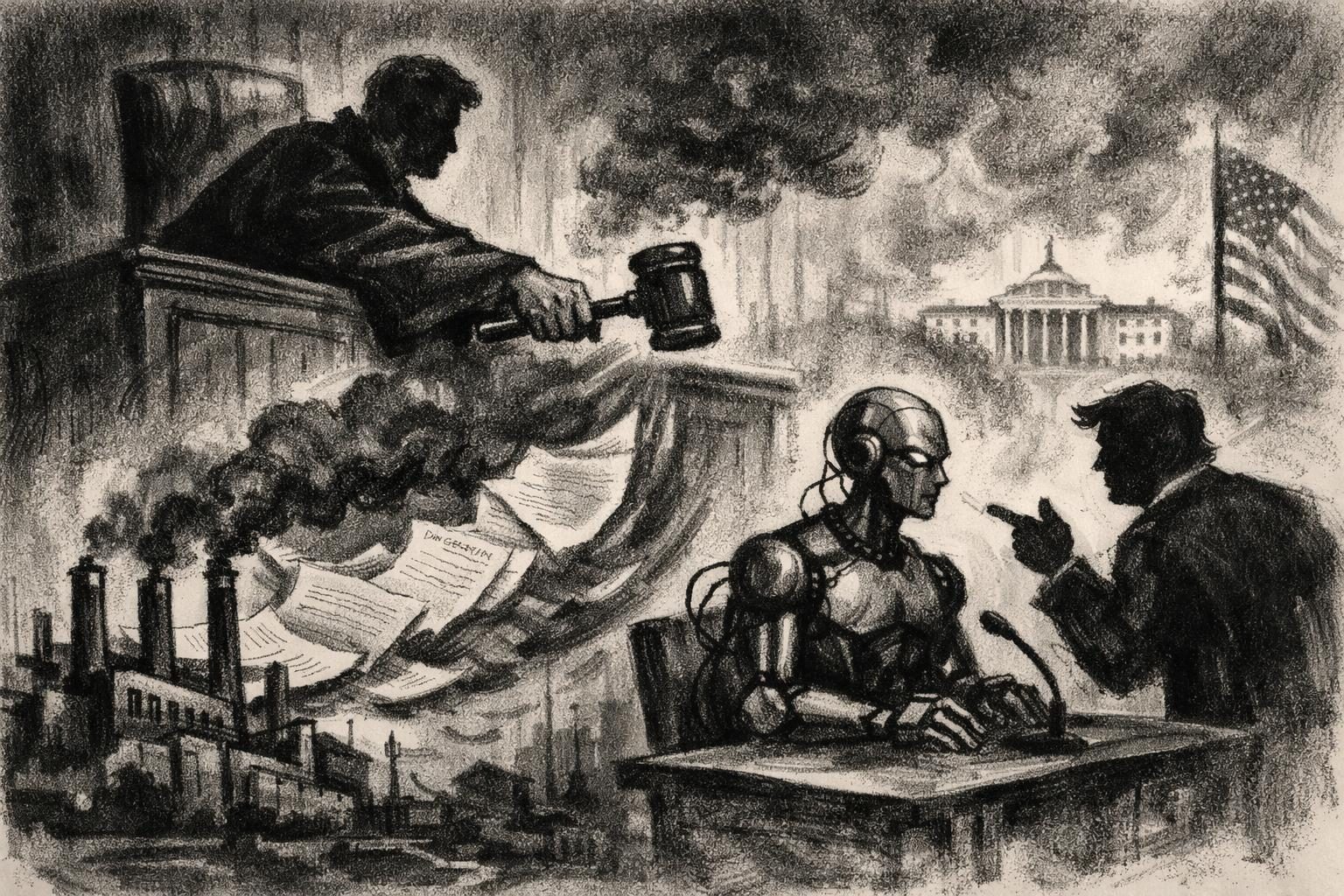
The Justice Department on June 16 asked a federal court to intervene in — and then dismiss — a Clean Air Act lawsuit targeting xAI’s Southaven, Mississippi artificial intelligence facility, turning a fairly ordinary environmental dispute into a fight over national security, industrial policy, and the future of the country’s AI buildout. The government’s filing argues that the private plaintiffs’ case could interfere with federal enforcement authority and create consequences that reach well beyond one plant on the edge of Memphis. In the department’s telling, the lawsuit is not just about emissions, turbines, or local permitting questions, but about whether a strategically important AI operation can be disrupted by a citizen suit. That is a striking escalation for a case rooted in air-quality claims. It also shows how quickly the administration is willing to treat AI infrastructure as a protected national asset when legal trouble arrives.
DOJ says the complaint attacks the energy source for a facility used to train and develop AI models that the department describes as important to the economy and to the Department of War. The government’s motion says Mississippi regulators already determined that no permit was required, yet the plaintiffs still want to shut down the operation and recover damages. Under the department’s theory, the Clean Air Act allows federal officials to step into citizen litigation when the case threatens enforcement authority or broader federal interests, and that is the basis DOJ is using to seek intervention. The filing reads as if the department believes the legal stakes are larger than the environmental record before the court. But the practical controversy is still familiar: whether a facility that local residents and environmental challengers say is causing harm should be allowed to keep operating without the permits they believe are required. The administration’s answer is to frame the plant as part of a strategic technology stack rather than a conventional industrial source.
The broader political backdrop is President Donald Trump’s June 2 executive order on advanced artificial intelligence, which gives the administration a ready-made policy script for why AI development should face fewer obstacles. White House materials around the order say agencies should prioritize cyber defense for national security systems, Department of War information systems, and civilian federal systems, while also expanding access to AI-enabled cybersecurity tools for federal agencies, state and local authorities, and operators of critical infrastructure. The order and its accompanying messaging present AI as both a national-security imperative and an innovation race that the United States must win by moving fast and cutting through bureaucracy. That kind of language makes it easier for officials to portray regulation, litigation, and local resistance as slow-walking the national interest. It also gives DOJ a rhetorical bridge from a Mississippi pollution case to the administration’s larger push to accelerate AI deployment. In effect, a policy document aimed at boosting AI innovation becomes part of the legal defense for a private company’s power supply. The result is less a direct enforcement of the executive order than an attempt to fold it into a lawsuit that was not originally about AI policy at all.
That move is where the overreach concerns come into focus. On one level, the government is doing something familiar: defending what it sees as a federal prerogative and trying to preserve room for national policy decisions to proceed without being boxed in by litigation. On another level, it is taking an environmental dispute and recasting it as a test of national security and economic competitiveness, which is a much broader claim than a routine Clean Air Act enforcement fight. Environmental critics, local residents, and civil plaintiffs are likely to see the filing as an effort to protect a favored AI project from ordinary legal scrutiny. The department, by contrast, appears to be arguing that AI infrastructure deserves special treatment because of its value to defense, economic growth, and the federal government’s own technology plans. Those two views are not easy to reconcile, and the tension is the point. If a data facility tied to model training can be described as so strategically important that pollution claims should be subordinated, then the administration is effectively creating a new category of politically protected industry. That is an expansive doctrine to read into a dispute that, at least on the surface, is about emissions and permits. The court will now have to decide whether DOJ’s intervention request is a legitimate assertion of federal authority or a policy-driven attempt to shield an AI project from the ordinary consequences of environmental law. For now, the legal question is narrower than the politics around it, but the precedent could be much larger. Every time the administration merges industrial policy with law enforcement, it becomes easier to blur the line between public interest and presidential preference.
Comments
Threaded replies, voting, and reports are live. New users still go through screening on their first approved comments.
Log in to comment
No comments yet. Be the first reasonably on-topic person here.