
Judge quashes DOJ subpoenas targeting Minnesota officials in immigration probe
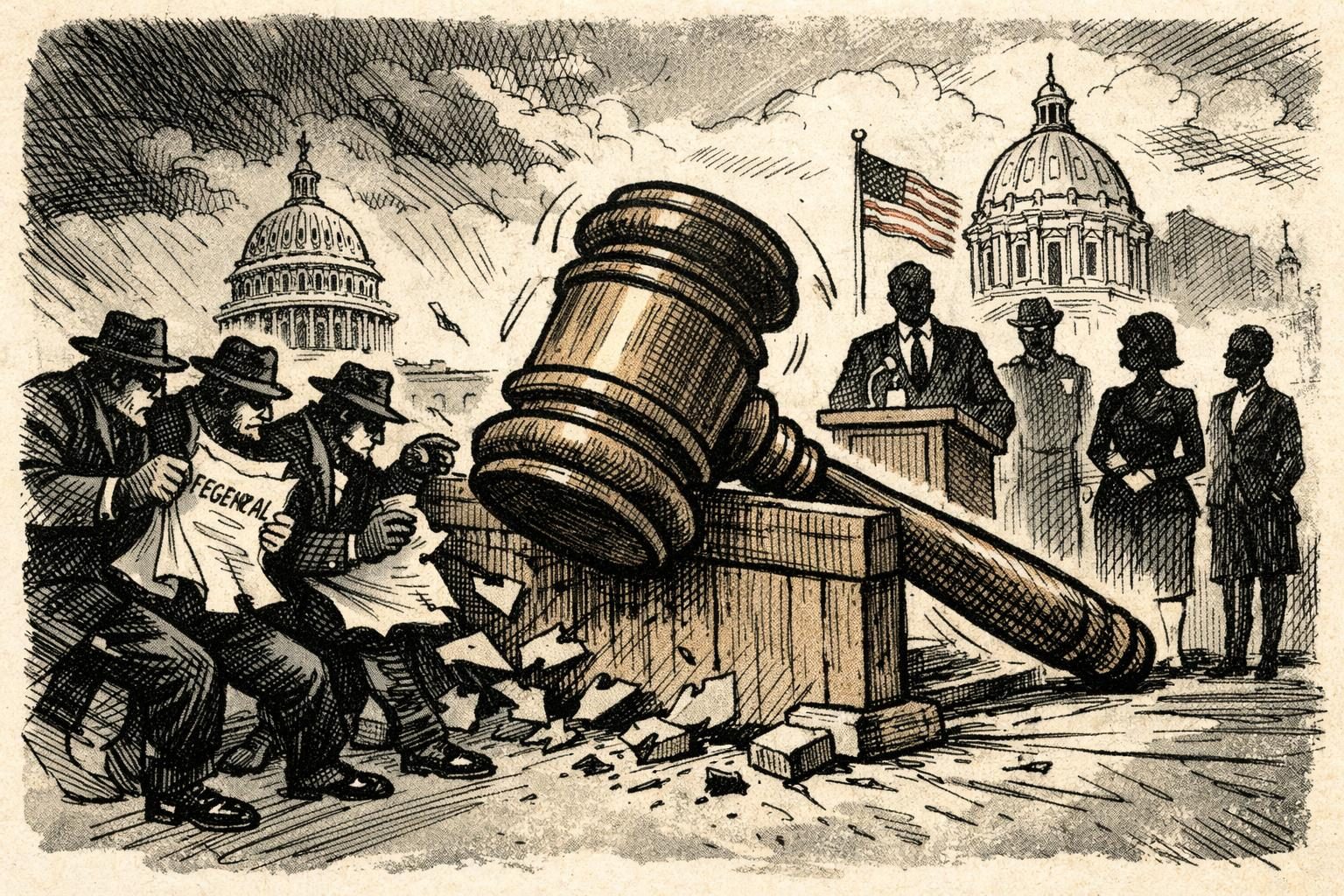
A federal judge has quashed Justice Department subpoenas sent to Minnesota Gov. Tim Walz, Attorney General Keith Ellison and other state and local officials in an immigration-enforcement probe. U.S. District Judge Patrick Schiltz said the government had not shown a proper basis for the demands on the record before the court and that their dominant purpose was to force cooperation with civil immigration enforcement and punish officials who refused. ([apnews.com](https://apnews.com/article/e5047e842da6181cbd5f071ab4bb1d7b?utm_source=openai))
The ruling, unsealed on June 22, 2026, stops the subpoenas from being enforced as written. It does not decide the larger dispute over immigration policy in Minnesota, but it does wipe out this set of compulsory demands and leaves the Justice Department to start over if it wants to pursue the matter through another legal path. ([apnews.com](https://apnews.com/article/e5047e842da6181cbd5f071ab4bb1d7b?utm_source=openai))
The subpoenas were part of an investigation into whether Minnesota officials obstructed or impeded federal immigration enforcement during a sweeping operation in the Minneapolis-St. Paul area. In January, federal prosecutors sent records requests to the offices of Walz, Ellison, Minneapolis Mayor Jacob Frey, St. Paul Mayor Kaohly Her, and officials in Ramsey and Hennepin counties, according to reporting at the time. ([apnews.com](https://apnews.com/article/5e2f40582b62687fd9bc70640382f034?utm_source=openai))
Schiltz’s order turns that effort into a narrower legal question: not whether the administration likes Minnesota’s position on immigration, but whether the subpoenas were validly tied to an actual investigation. His answer on the present record was no. The court found the government’s dominant purpose was coercive, not investigative, and that is enough to shut down these subpoenas even without resolving every other fight between Washington and Minnesota over immigration policy. ([apnews.com](https://apnews.com/article/e5047e842da6181cbd5f071ab4bb1d7b?utm_source=openai))
The decision is a concrete setback for federal prosecutors trying to use compulsory process to pry loose cooperation from state leaders who have resisted helping with civil immigration enforcement. For now, the subpoenas are done. If the Justice Department wants to revive the case, it will need a different record and a cleaner theory than the one Schiltz rejected. ([apnews.com](https://apnews.com/article/e5047e842da6181cbd5f071ab4bb1d7b?utm_source=openai))
Comments
Threaded replies, voting, and reports are live. New users still go through screening on their first approved comments.
Log in to comment
No comments yet. Be the first reasonably on-topic person here.