
Judge lets White House UFC event proceed after denying emergency relief
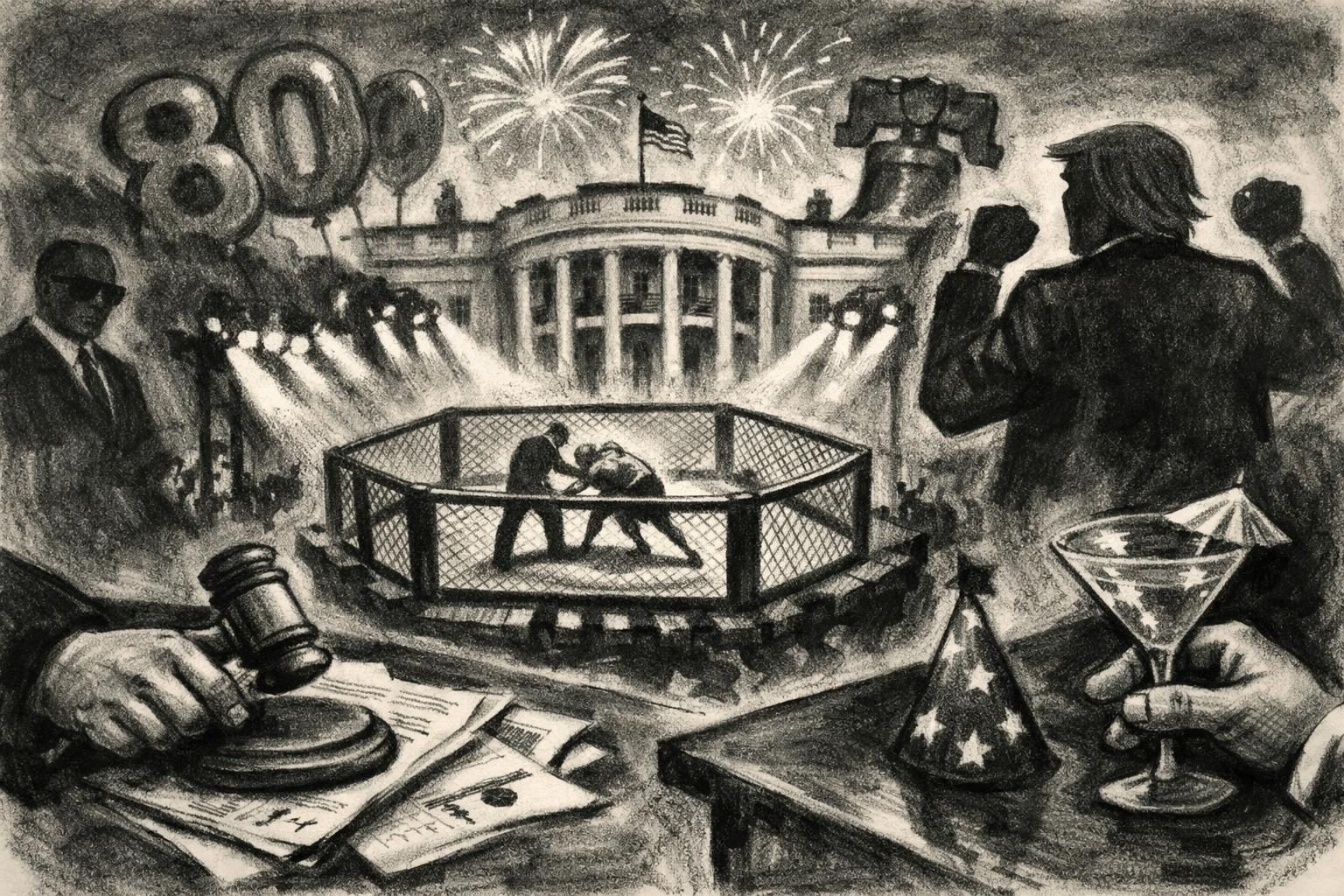
A federal lawsuit filed June 7 tried to stop UFC Freedom 250 from being staged on the White House South Lawn. The plaintiffs, two Virginia residents, argued that the plan was unlawful and that the timing made it look more like a Trump birthday celebration than a government use of the presidential residence. They asked a court to block the event before fight night.
On June 12, U.S. District Judge Amit Mehta declined to issue emergency relief. In his order, Mehta said the plaintiffs had not shown a substantial likelihood of standing or irreparable harm. He also said their delay in filing undercut the claim that the event would cause immediate injury. The ruling did not decide the larger legal dispute over the White House’s decision to host the card.
The event moved ahead on June 14. White House photos show the UFC setup on the South Lawn, with fan-fest activity, press events and the fight-night scene itself. The White House also posted images of President Donald Trump attending UFC Freedom 250 and tied the broader Freedom 250 effort to the nation’s 250th anniversary.
The administration’s Freedom 250 page says the yearlong commemoration began on Memorial Day 2025 and runs through the end of 2026. Its materials present the event as part of that broader program, while critics focused on the optics of turning the presidential grounds into a branded combat-sports venue.
What the court did and did not do matters here. Mehta did not bless the event on the merits. He denied the plaintiffs the immediate relief they wanted, and the fight went on as scheduled.
Comments
Threaded replies, voting, and reports are live. New users still go through screening on their first approved comments.
Log in to comment
No comments yet. Be the first reasonably on-topic person here.