
DOJ sues New York over mask and ID rules for federal immigration officers
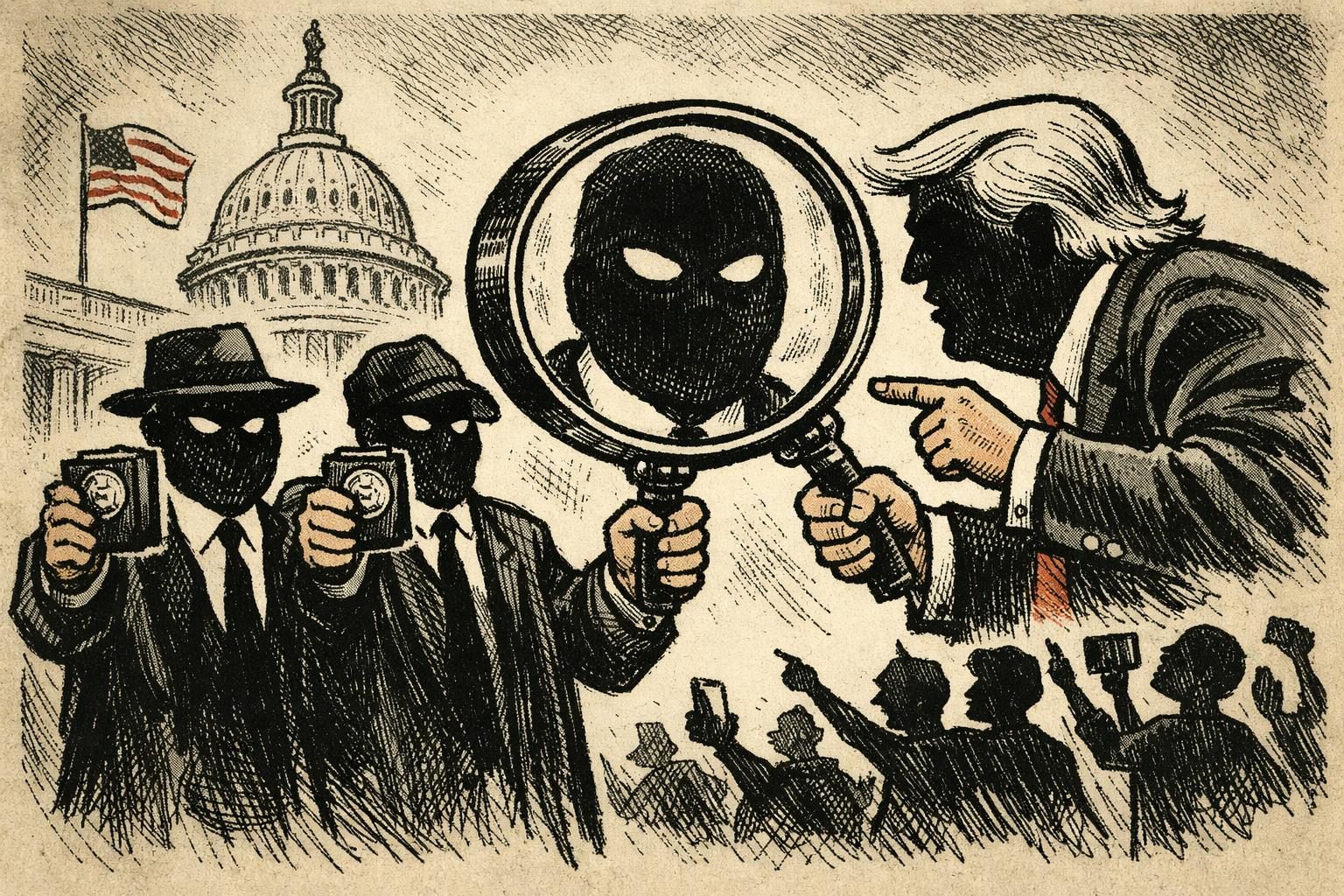
The Trump Justice Department has gone to court over New York’s new restrictions on masked federal immigration officers and the state’s requirement that they identify themselves while operating in public. The federal complaint, announced June 23 and filed the day before, names Gov. Kathy Hochul, Attorney General Letitia James, and other state officials. New York responded with its own lawsuit the same day, setting up a fast-moving fight over who gets to set the rules for federal immigration enforcement inside the state.
At the center of the dispute is a narrow but consequential question: can New York tell federal immigration officers that they must not wear face coverings and must provide identifying information when they are working in public? The Justice Department says no, arguing that the state law is preempted and unlawfully interferes with federal operations. New York says the law is meant to protect the public and make sure people can identify officers who are interacting with civilians on city streets, in neighborhoods, and in other public settings.
The official filings matter here because they define the case more tightly than the rhetoric surrounding it. This is not a blanket challenge to every federal employee in every setting. It is a dispute over state rules affecting federal immigration officers and the way they present themselves while carrying out enforcement duties. That distinction does not resolve the legal question, but it does keep the debate pointed where the documents put it: on immigration enforcement, identification, and the limits of state power.
Politically, the case is easy to read and hard to ignore. Federal officials are asking a court to block a state law that would make masked immigration enforcement harder. State officials are defending a law that treats visible identification as a basic guardrail. Each side can claim it is protecting the public. Each side can also claim the other is trying to control federal power from the wrong direction. The lawsuit will decide the legal part. The public argument, already underway, is about whether anonymity should be something armed federal officers can insist on when they are operating in public.
That is what gives the case its edge. The administration is framing the law as an intrusion on federal authority. New York is framing it as a transparency measure. Those are real legal positions, not just slogans, and the court will have to sort out whether the state crossed a line. But the fight is also about appearance, trust, and accountability. A state trying to force officers to show who they are is one story. A federal government trying to preserve mask flexibility for immigration officers is another. This lawsuit is now the vehicle for both.
Comments
Threaded replies, voting, and reports are live. New users still go through screening on their first approved comments.
Log in to comment
No comments yet. Be the first reasonably on-topic person here.