
Trump Cancels Housing Bill Signing After Republicans Already Pushed It
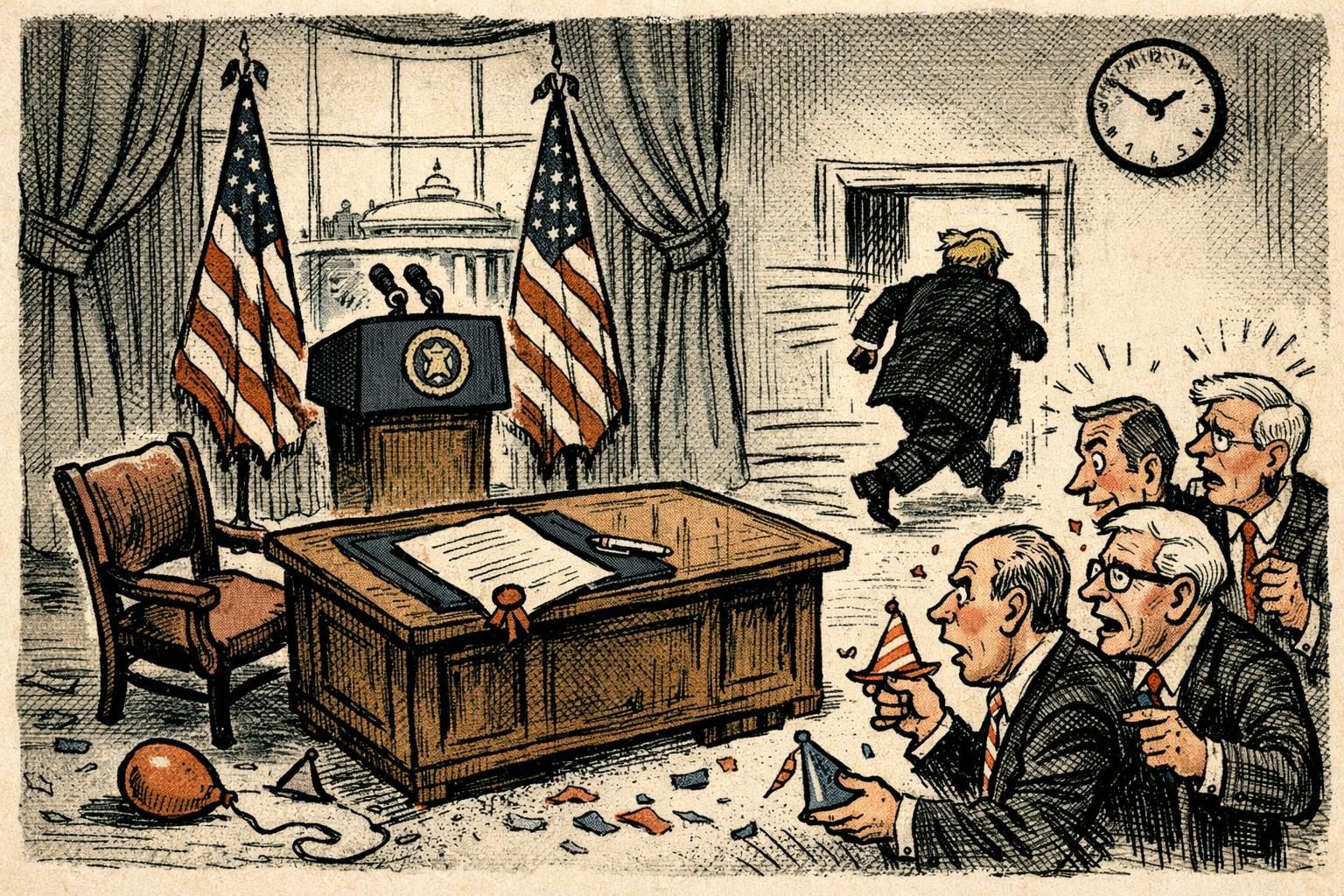
On June 24, Trump abruptly canceled a planned signing ceremony for a bipartisan housing bill after House Republican leaders had already been promoting the event as if it were locked in. The reversal was small in procedural terms and big in political embarrassment. It left allies scrambling to explain why a public moment they had been preparing to sell to voters never happened, and it once again raised questions about how the White House manages basic scheduling. A president can change his mind, of course, and there is nothing unusual about a late adjustment when a day’s politics shift. What made this episode stand out was the combination of timing, the public buildup, and the fact that the cancellation landed after Republicans had already started treating the ceremony like a useful victory lap. That sequence turned what should have been a routine piece of governing theater into a visible reminder that the administration’s message machine is still capable of tripping over its own feet.
The practical significance here is not the housing bill itself, which remained bipartisan and had already cleared the legislative hurdle that mattered. The issue is the choreography around it, and the fact that the choreography fell apart in public. When a White House allows allies to advertise a signing, then backs out at the last minute, it suggests either poor coordination or a decision made so late that no one bothered to keep the surrounding operation in sync. Neither explanation is flattering. Supporters tend to prefer the idea that Trump runs a tighter ship than his critics admit, but this episode points in the opposite direction: the ship may still be moving, yet the crew appears unsure who is steering and when the next turn is coming. That matters because the administration frequently sells itself as uniquely competent at cutting through bureaucratic mess and turning ordinary policy into an easy win. Instead, the cancellation made the whole enterprise look improvised, as if the event had been penciled in with confidence and erased with equal casualness.
The optics were especially awkward because House Republicans had already been using the bill to show momentum and competence. A signing ceremony is not just a ceremonial flourish in Washington; it is a signal to lawmakers, donors, and voters that the president is claiming ownership of a legislative result. Pulling that away after the fact undercuts the people who had been prepared to stand beside him and point to the bill as proof that the GOP can still govern. It also hands opponents a tidy talking point: if the White House cannot coordinate a photo-ready moment around a bill it supports, how smoothly is it handling the larger work of governing? Democrats will happily use the cancellation to argue that the administration is chaotic and unserious, but even Republicans who normally shrug off this kind of thing may have a harder time doing so when the miss is this visible. They do not need a perfect machine. They do need a machine that can tell them whether the president is actually going to show up to the event they have already been asking people to notice.
There is also a broader pattern here that goes beyond one canceled signing. Trump’s political identity has long rested on the claim that he alone can impose order on disorder, that he can make government move faster by sheer force of personality, and that the chaos around him belongs to everyone else. Episodes like this complicate that story. They suggest a style of governance that is still heavily shaped by impulse, last-minute revision, and a belief that public messaging can be fixed after the fact. That may work in a rally crowd or on a social feed, where the next line can overwrite the last one. It works less well in a real administration, where people need schedules, lawmakers need to know where to be, and allies need enough notice to make the event useful. A president does not need to be perfect to look in control, but he does need to avoid making his own side look like it found out about the plan at the same time everyone else did. This cancellation did the opposite, and that is why it resonated beyond the modest importance of a single housing bill.
What happens next is mostly a matter of damage control, and the White House will likely try to downplay the whole thing as a change in plans rather than a breakdown in planning. That may be enough for loyal supporters who are willing to accept almost any explanation if it comes wrapped in confidence. It may also be enough in the short term if the bill itself moves forward and the administration eventually finds another way to claim credit. But the episode still leaves a mark, because Washington notices not just what a president says but whether his operation can carry out the modest rituals of government without embarrassment. A signing ceremony is supposed to be the easy part: the bill is done, the cameras arrive, the president signs, and everyone leaves with a talking point. Here, even that simple sequence was too much to hold together. For an administration that likes to advertise competence, the result was a familiar kind of self-inflicted wound: a routine win turned into a reminder that control is easier to announce than to actually demonstrate.
Comments
Threaded replies, voting, and reports are live. New users still go through screening on their first approved comments.
Log in to comment
No comments yet. Be the first reasonably on-topic person here.