
DOJ sues four states after USDA’s SNAP data request goes unanswered
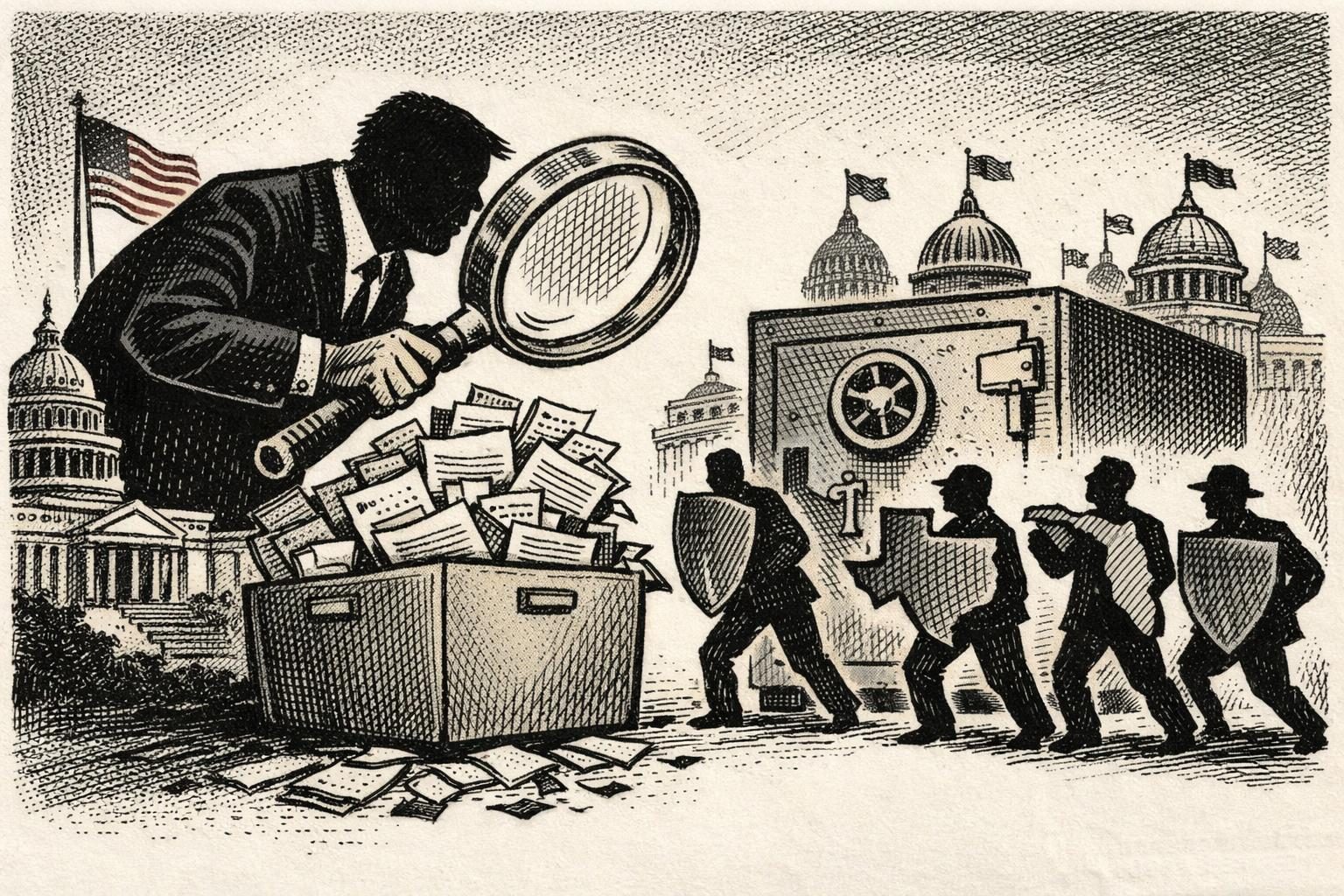
The Trump Justice Department has turned a long-running fight over food-aid records into a federal lawsuit, escalating a dispute that began as an administrative request and now threatens to test the limits of state resistance to Washington’s demands. On June 26, the department sued Kentucky, Pennsylvania, Michigan and Minnesota after those states declined to provide five years of Supplemental Nutrition Assistance Program applicant data that the U.S. Department of Agriculture says it wants to review for oversight purposes. The government says the records were first requested last year and the ask was renewed in May, after 28 other jurisdictions had already complied. The four states did not, leaving the administration with a choice between backing off or going to court. It chose the latter, signaling that the White House and its agencies are prepared to press harder on a program that reaches millions of households and remains politically sensitive in nearly every state.
At the center of the case is a familiar Washington argument dressed in unusually sharp terms: the federal government says it needs the data to monitor whether SNAP is being administered correctly, while the states are refusing to hand over information they may view as sensitive, legally constrained, or beyond the reach of the federal request. SNAP, the nation’s largest anti-hunger program, is overseen by USDA but administered in partnership with states, which handle applications, eligibility determinations and much of the day-to-day machinery. That shared structure has long required some level of data sharing, but it also leaves room for friction whenever federal officials seek more detail, more access or a broader window into state files. The Justice Department’s lawsuit suggests that, in this case, the administration believes the states are out of line for withholding records it says are needed to check eligibility, benefit levels and possible improper payments. The states, at least so far, have not provided the data, and the complaint appears intended to force a judicial answer to whether Washington can compel production on the timeline and terms it wants.
The USDA’s broader role in SNAP helps explain why the request matters. According to the department’s program materials, SNAP is designed to help low-income households buy food, and state agencies determine who qualifies and how much assistance they receive under federal rules. That means the program is built on a mix of federal funding, federal standards and state administration, a structure that can invite tension whenever the national office wants to inspect state performance more aggressively. The government says the request at issue was not a one-off fishing expedition but part of a monitoring effort tied to ensuring the program is run properly. Even so, the demand for five years of applicant records is substantial, and the states’ refusal suggests they may believe the request is too broad, too burdensome, or legally problematic in ways the lawsuit does not yet resolve. The federal filing does not end that uncertainty; it simply moves the disagreement into a venue where judges can decide whether the records must be turned over.
Politically, the case fits a larger pattern of the administration using legal pressure to extract cooperation from states that are not automatically aligned with its agenda. On one level, the fight is about paperwork, data fields and administrative compliance. On another, it is about the federal government asserting control over a major social safety-net program at a moment when nearly every aspect of public assistance has become more contested. The fact that 28 other jurisdictions reportedly complied gives the Justice Department a ready-made argument that the request was neither novel nor unreasonable. But the four holdout states may still have grounds to argue that their circumstances differ or that the federal government is overreaching, especially if they believe the data request implicates privacy, state law or statutory limits on how applicant information can be used. For now, those arguments have not been aired in a final ruling, and the lawsuit ensures that the dispute will be shaped by the pace of litigation rather than by administrative back-and-forth.
What happens next will likely turn on how the court views the federal interest in oversight versus the states’ duty to protect or limit disclosure of applicant records. The Justice Department’s move does not itself prove that wrongdoing occurred in any of the four states, and it does not establish that the requested data would reveal improper payments or eligibility failures. It does, however, show that federal officials believe enough is at stake to demand judicial enforcement. That alone is significant in a program as large and politically loaded as SNAP. If the administration prevails, it could strengthen Washington’s hand in future data disputes with states that resist similar requests. If the states succeed, the ruling could narrow the federal government’s leverage and make it harder to compel broad data collections in benefit programs administered through state systems. Either way, the case is now less about whether the administration can ask for the information and more about whether it can make the states give it up.
Comments
Threaded replies, voting, and reports are live. New users still go through screening on their first approved comments.
Log in to comment
No comments yet. Be the first reasonably on-topic person here.