
Trump’s repair memo talks up cheaper living, but it only reaches one corner of the bill stack
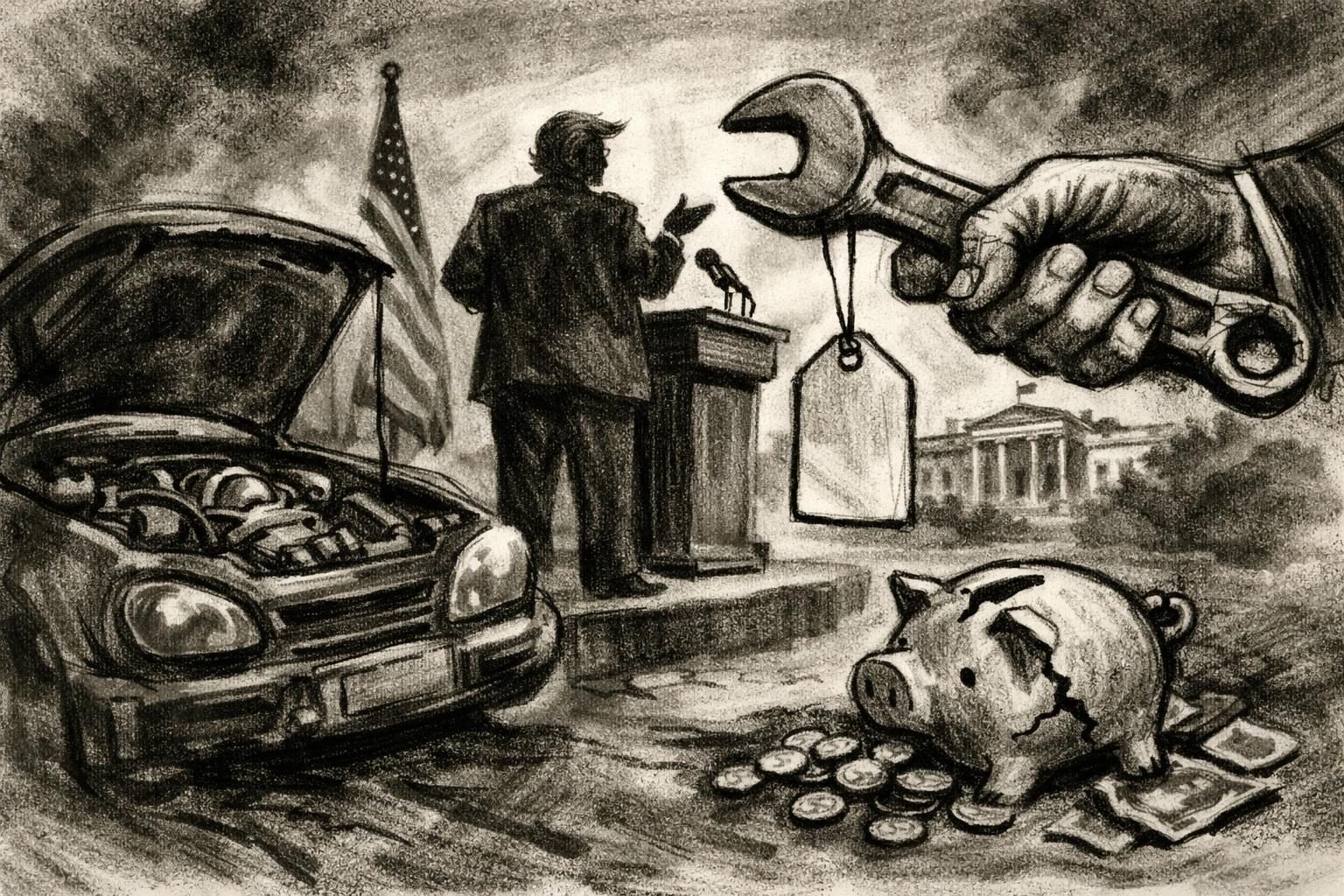
On June 29, 2026, the White House rolled out a memorandum with a very large title and a much smaller footprint: “Lowering the Cost of Living by Promoting the Freedom to Fix.” The document is about vehicle repairs, not groceries, rent, child care, or the rest of the monthly expenses that actually decide whether families feel squeezed. Its stated target is the regulatory uncertainty around emissions-related repairs and aftermarket parts, with the administration saying it wants to make it easier for consumers and independent repair businesses to know what they can do without running into Clean Air Act problems. ([whitehouse.gov](https://www.whitehouse.gov/presidential-actions/2026/06/lowering-the-cost-of-living-by-promoting-the-freedom-to-fix/?utm_source=openai))
The memo tells the Environmental Protection Agency to issue guidance clarifying what people may do when fixing their own vehicles’ emissions systems, to speed up alternative certification pathways for aftermarket parts, and to consider deprioritizing civil enforcement against people who make good-faith repairs to return a vehicle to its original configuration. That is a real policy move, but it is still a narrow one. It does not rewrite the price of everything else families buy, and it does not by itself prove that living costs are falling in any broad sense. ([whitehouse.gov](https://www.whitehouse.gov/fact-sheets/2026/06/fact-sheet-president-donald-j-trump-lowers-the-cost-of-living-by-promoting-the-freedom-to-fix/?utm_source=openai))
There is still a plausible consumer case for the memo. If the EPA follows through with clearer rules and workable certification pathways, some drivers may face less uncertainty when they need a repair, and independent shops could get a little more room to compete with dealership and original-equipment channels. That could matter most for owners of older vehicles, who are often the people least able to absorb a surprise repair bill or replace a car altogether. But that outcome is conditional, not guaranteed, and any savings would likely show up unevenly and over time, not as an immediate nationwide drop in the cost of living. That is an inference from the policy design, not a result the memo has already delivered. ([whitehouse.gov](https://www.whitehouse.gov/fact-sheets/2026/06/fact-sheet-president-donald-j-trump-lowers-the-cost-of-living-by-promoting-the-freedom-to-fix/?utm_source=openai))
The White House also has been busy making other technology and security announcements this month, including a June 2 executive order on advanced artificial intelligence and a June 22 order on post-quantum cryptography. Those actions are separate from the repair memo. Grouping them together would blur the chronology and overstate what the June 29 document actually does. The repair memo is a consumer-policy nudge in one sector, not evidence of a broader affordability turn. ([whitehouse.gov](https://www.whitehouse.gov/presidential-actions/2026/06/promoting-advanced-artificial-intelligence-innovation-and-security/?utm_source=openai))
Comments
Threaded replies, voting, and reports are live. New users still go through screening on their first approved comments.
Log in to comment
No comments yet. Be the first reasonably on-topic person here.