
EagleBank pays $9.7 million to settle Bank Secrecy Act allegations
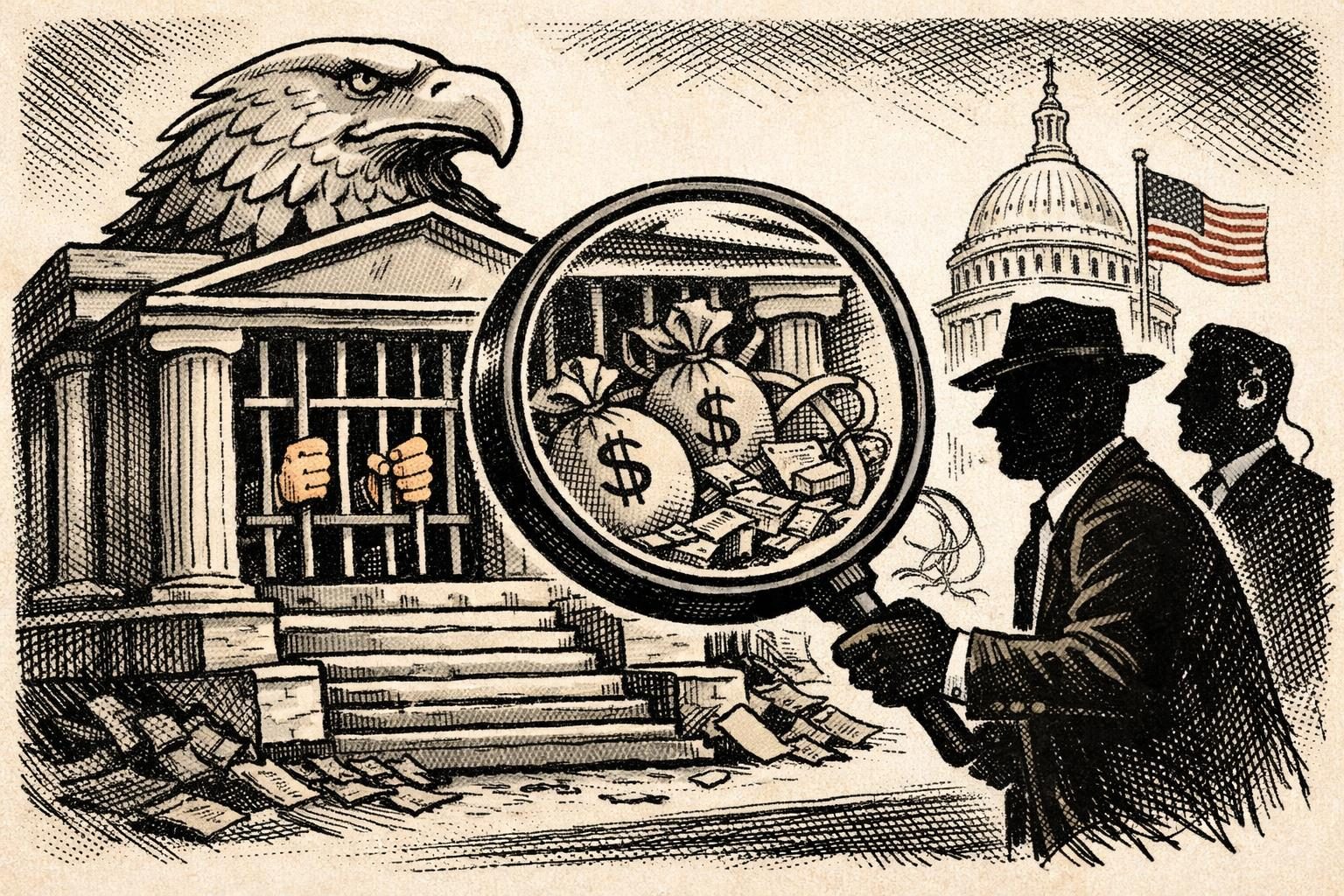
The Justice Department said June 30 that EagleBank and its parent company have entered into a non-prosecution agreement and will pay more than $9.7 million to resolve an investigation into alleged Bank Secrecy Act violations. According to the department, the case centered on a check-kiting scheme that the bank allegedly allowed favored customers to continue using even after compliance staff attempted to shut it down. That detail matters because it moves the episode well beyond the usual category of a back-office control lapse or an isolated reporting mistake. In the government’s telling, this was not simply a matter of imperfect paperwork or an occasional miss in monitoring. It was a sustained breakdown in supervision that let questionable activity persist inside a regulated financial institution.
For a community bank with operations in Maryland, Virginia, and the District of Columbia, the settlement is a reminder that local institutions can end up facing federal scrutiny just as quickly as the biggest banks. The Bank Secrecy Act exists to make it harder for the financial system to be used for deception, concealment, and other forms of abuse that can hide behind ordinary transactions. When the Justice Department says compliance personnel tried to stop the scheme and the conduct continued anyway, the implication is that the bank’s internal controls were not doing the job they were supposed to do. That can be especially damaging because control failures are rarely viewed as one-off accidents once prosecutors become involved. They tend to be treated as signs that the culture around risk, escalation, and accountability was weaker than it should have been.
A non-prosecution agreement is not the same thing as a criminal conviction, but it is still a serious public resolution. It usually means prosecutors found enough concern in the underlying conduct to demand a formal settlement, financial payment, and some level of accountability without taking the matter through a contested criminal case. In practical terms, that can be a relief for the institution because it avoids the kind of drawn-out litigation that can magnify uncertainty. But it also leaves a durable record that the government believed the bank’s controls failed in a material way. For customers, counterparties, and regulators, that kind of finding can linger long after the dollar figure has been paid and the press release has faded. It is the sort of case that can force board members and executives to ask whether the institution recognized warning signs early enough, or whether internal objections were simply not given enough weight.
The case also fits neatly into the broader political and regulatory mood around financial crime enforcement. Trump administration officials have favored strong law-and-order messaging when talking about fraud, abuse, and banking misconduct, and settlements like this give them something concrete to point to. At the same time, cases like EagleBank’s show how much of enforcement is really cleanup after the fact. The government comes in after the scheme has already existed, after the controls have already been bypassed, and after the bank has already been exposed to public embarrassment. That does not make enforcement unnecessary. It just means that the system is still reacting to failures that should have been stopped internally. If officials want to frame the agreement as proof that the government is tough on financial misconduct, that may be true as far as it goes. But it also underlines how expensive and messy it can be when a bank’s own gatekeepers are not able, or not willing, to shut the door in time.
Comments
Threaded replies, voting, and reports are live. New users still go through screening on their first approved comments.
Log in to comment
No comments yet. Be the first reasonably on-topic person here.