
Trump’s NEPA rollout still has unfinished business
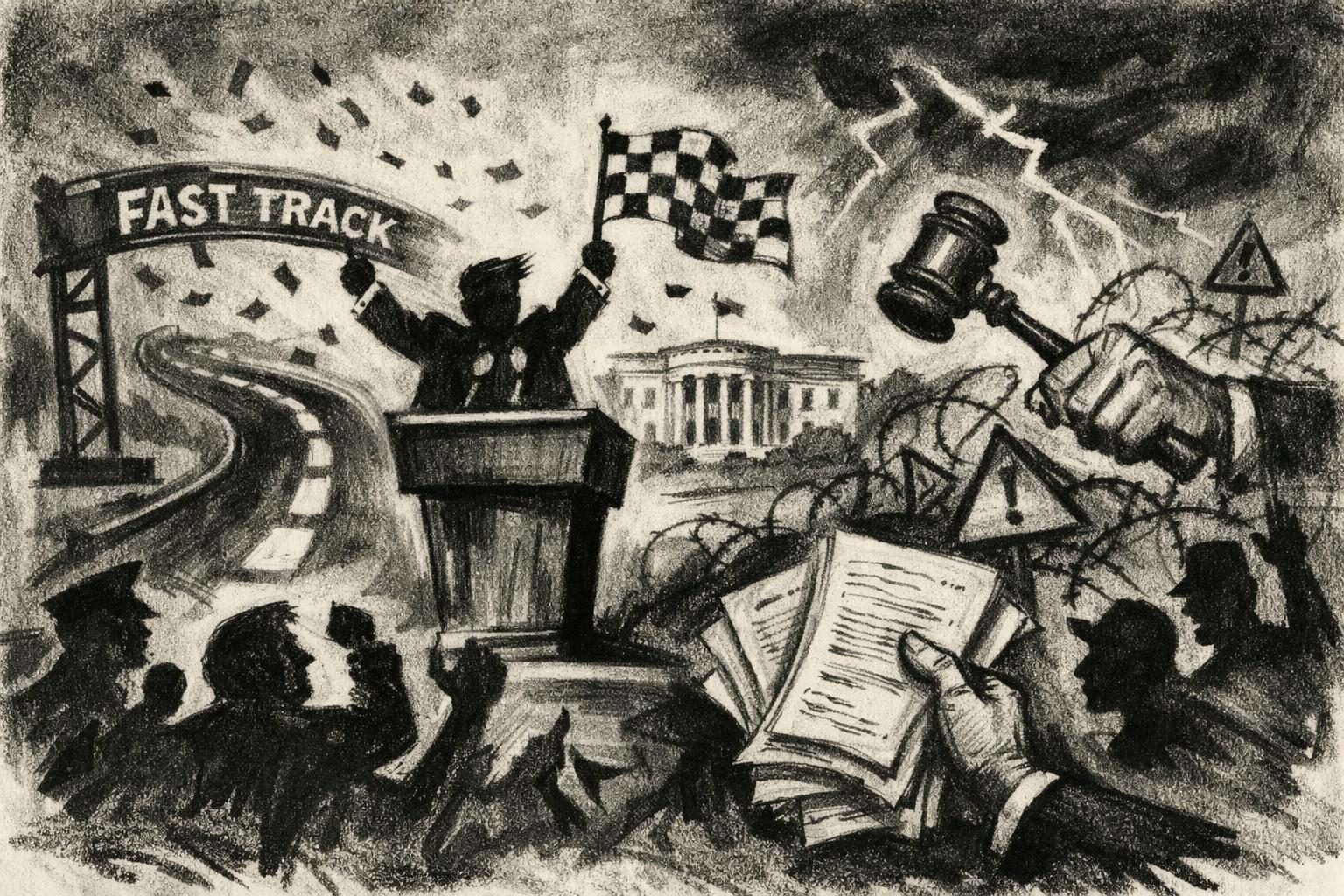
The White House used June 30 to mark what it calls a major NEPA overhaul, but the official record shows a two-step process: CEQ issued an interim final rule on February 25, 2025, then a final rule on January 8, 2026, and major permitting agencies updated their own procedures on June 30, 2025. The rewrite is real. So is the fact that the work did not end there. ([ceq.doe.gov](https://ceq.doe.gov/laws-regulations/regulations.html))
The administration says more than 60 agencies and departments have already reformed, or are still reforming, their procedures. It also says USDA and Interior have finalized their own policies and reforms. That leaves a mixed picture: some parts of the new process are done, while others are still being adjusted agency by agency. ([whitehouse.gov](https://www.whitehouse.gov/releases/2026/06/trump-administration-nepa-reforms-a-win-for-all-americans/))
CEQ’s own rulemaking page says the old NEPA regulations have been removed, and it lists both the interim final rule and the final rule in the Federal Register. That matters because the legal change itself is no longer hypothetical. The remaining question is how consistently agencies will apply their updated procedures when permits, reviews, and project decisions hit the pipeline. ([ceq.doe.gov](https://ceq.doe.gov/laws-regulations/regulations.html))
The White House is selling the overhaul as a speed boost for energy, infrastructure, housing, data centers, and other projects that can get bogged down in federal review. Supporters will see that as overdue. Critics will look at the same record and ask whether faster review will mean shorter analysis, uneven implementation, or new litigation over how agencies use their revised rules. ([whitehouse.gov](https://www.whitehouse.gov/releases/2026/06/trump-administration-nepa-reforms-a-win-for-all-americans/))
For now, the administration has a completed rule change and an incomplete rollout. The NEPA regulations are gone. The agency procedures are still settling into place. And the next test is whether the new system produces faster decisions without creating a new round of fights over how it works in practice. ([ceq.doe.gov](https://ceq.doe.gov/laws-regulations/regulations.html))
Comments
Threaded replies, voting, and reports are live. New users still go through screening on their first approved comments.
Log in to comment
No comments yet. Be the first reasonably on-topic person here.