
Brennan sues to preserve DOJ records before Trump’s probes can get lost in the wash
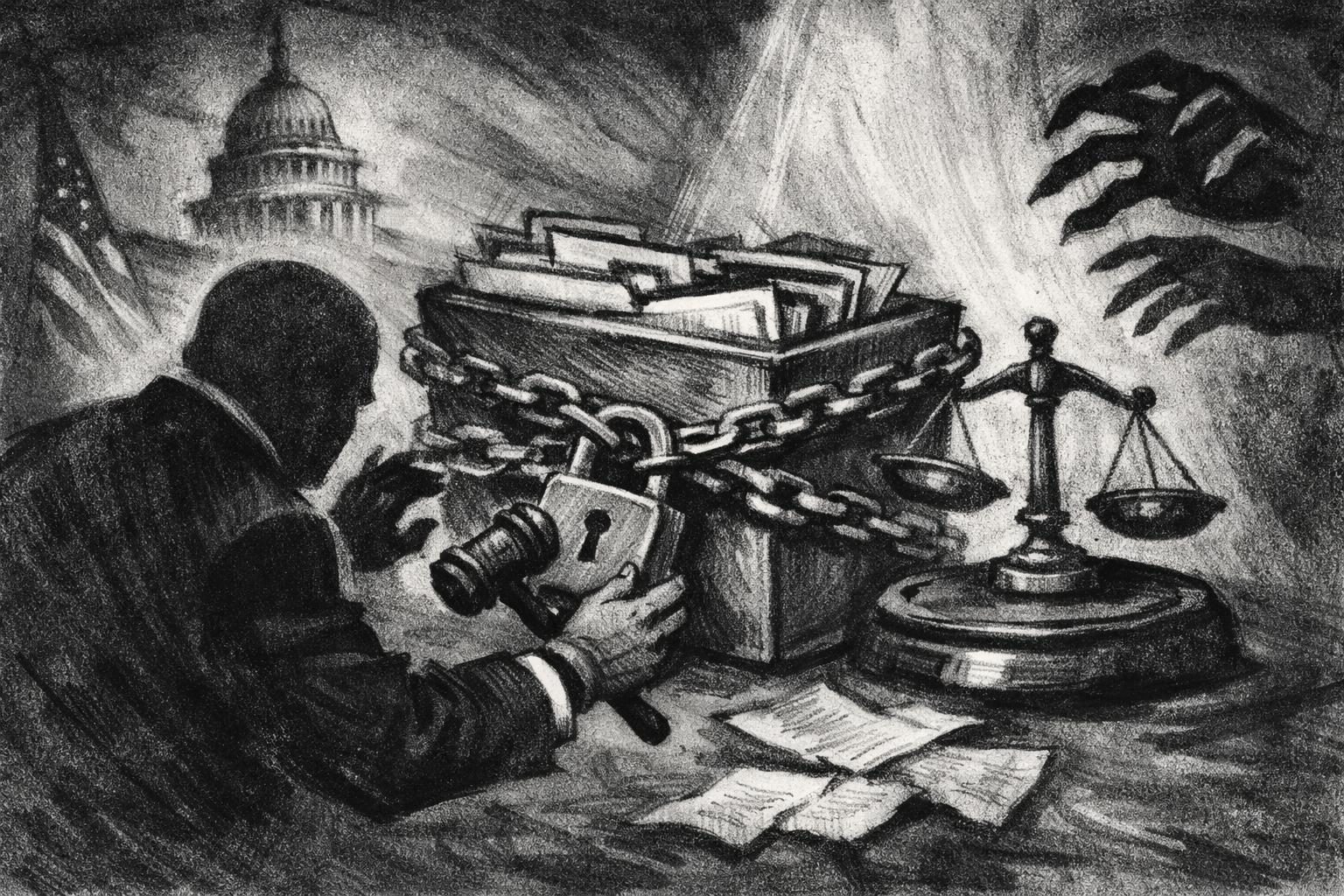
John Brennan’s latest move is not the kind of filing that answers the allegations swirling around him. It is the kind that tries to make sure those allegations can be examined later without crucial evidence having vanished into the administrative ether. On July 1, the former CIA director sued in federal court seeking an order that would force the government to preserve records tied to two Justice Department investigations he says are aimed at him. The complaint seeks to protect emails, notes, texts, witness statements, and related communications that could matter if he is ever charged and later argues the case was brought for retaliatory reasons. Brennan named Donald Trump and several senior administration officials in their official capacities, and the lawsuit is built around the idea that the paper trail itself may become the central battleground. For now, no court has decided whether Brennan’s fears are justified, and no indictment has been filed. But the suit makes clear that Brennan expects the fight over motive to be every bit as important as the fight over the underlying accusations.
The first investigation Brennan points to concerns a false-statements referral tied to his 2023 interview with the House Judiciary Committee. The second, according to his complaint, involves a broader theory described as a “grand conspiracy” connected to Trump-era officials and the Russia investigation. Those are not routine internal reviews or a few stray bureaucratic disagreements over document handling. They are politically charged inquiries involving a former intelligence chief who has long been a target in Trump-world rhetoric and a Justice Department now accused, at least by Brennan, of operating with a purpose beyond ordinary law enforcement. That matters because vindictive-prosecution and selective-prosecution claims are notoriously difficult to win, and they usually depend on proving that a case was motivated by animus, retaliation, or an improper desire to single someone out. Brennan is not yet making those arguments in the context of an actual criminal defense, because there is no criminal case yet. Instead, he is trying to preserve the evidence that might someday let him make those arguments credibly. In practical terms, that means he is asking the court to stop the government from losing, deleting, or quietly dispersing the materials that could explain who pushed for the probes and why.
That is what gives the preservation request its real significance. In a future vindictive-prosecution fight, the existence of internal communications can shape everything from whether a motion is even plausible to whether a judge thinks discovery is warranted. If investigators or officials exchanged emails about political pressure, retribution, or strategic targeting, that could matter enormously. If, on the other hand, the records show a narrower and more conventional law-enforcement rationale, Brennan’s argument would be far harder to sustain. His lawyers are essentially trying to freeze the scene before anyone can tidy it up, whether intentionally or through the normal churn of government recordkeeping. That may sound technical, but technical questions often decide high-stakes political cases before the substance ever gets a full airing. Once key materials are gone, a defense may be left with suspicion instead of proof, and suspicion alone rarely carries the day in federal court. Brennan’s filing is an attempt to make sure that does not happen. It is also an acknowledgment that the record itself may be the only thing standing between a serious allegation and a claim the government can shrug off as unsupported. If the evidence is preserved, the future fight remains open. If it is not, the government’s explanation becomes much harder to test.
The broader context is what makes this lawsuit more than just a procedural skirmish. Trump’s political world has repeatedly blurred the line between law enforcement and grievance, turning investigations into a stage for revenge narratives and public loyalty tests. Brennan’s complaint drops directly into that environment and reflects how deeply some former officials believe the machinery of government can be used to settle old scores. Even if no indictment ever comes, the fact that a former CIA director thinks he needs a court order just to safeguard evidence says plenty about the level of distrust now surrounding these probes. If charges do materialize, a judge will eventually have to decide whether the case rests on facts, law, and ordinary prosecutorial judgment, or whether it has been shaped by a desire to punish a political enemy. That question is still speculative, and Brennan has not been convicted of anything, nor even charged. But the lawsuit makes a larger point about the state of American governance under constant suspicion: when people expect the rules to be bent for or against them, preservation orders start to look like emergency equipment. So while the filing does not resolve the underlying dispute, it does put a spotlight on how much of modern political combat now depends on who controls the record, who gets to define the motive, and whether the justice system can still be trusted to keep its own receipts.
Comments
Threaded replies, voting, and reports are live. New users still go through screening on their first approved comments.
Log in to comment
No comments yet. Be the first reasonably on-topic person here.