
Justice Department doubles down on ICC rejection, because sovereignty theater never goes out of style
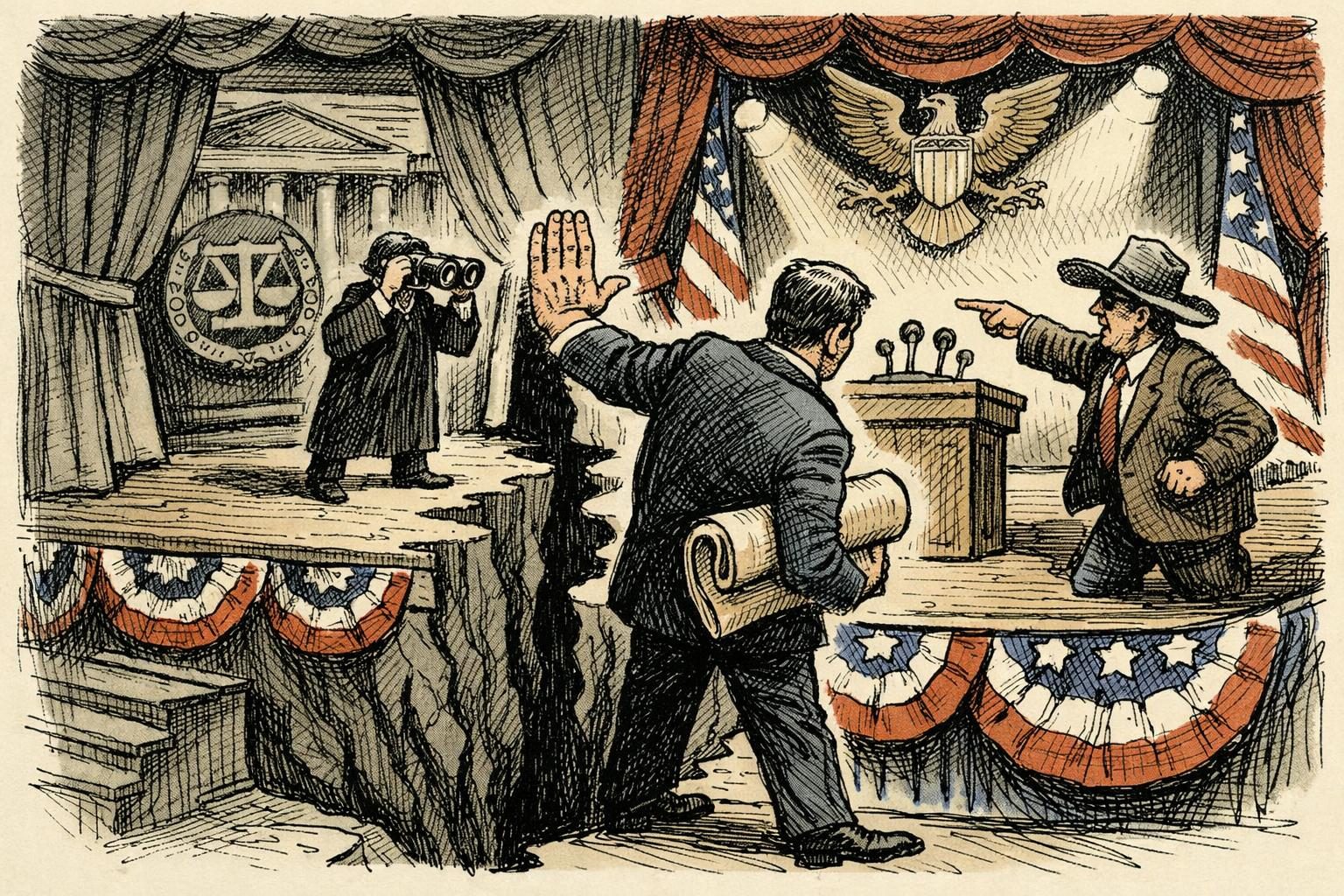
The Justice Department on July 2 once again declared that the International Criminal Court has no jurisdiction over Americans, reviving a position the United States has held for years and presenting it with all the solemnity of a constitutional emergency. Acting Attorney General Todd Blanche delivered that message in a letter to ICC President Judge Tomoko Akane, and the department quickly converted the letter into a public statement meant to make the point impossible to miss. The central claim was not complicated: the United States never joined the Rome Statute, never consented to the court’s authority, and therefore rejects any attempt by the ICC to assert power over U.S. persons. That is not a new legal theory, and it is not a new line from Washington. What is new is the renewed insistence on making the argument loudly, as if repeating a settled objection with more force somehow turns it into a fresh act of policy. In the Trump administration’s telling, this is not merely a jurisdictional dispute. It is a sovereignty fight, one that can be staged in public as proof that the White House is standing between Americans and an overreaching international institution.
The department’s statement also leaned heavily on the American Servicemembers’ Protection Act, the 2002 law Congress enacted to limit U.S. cooperation with the ICC and to reject the court’s authority over American servicemembers, officials, and civilians. That statute has long been the backbone of the U.S. position, giving any administration in power a ready-made legal and political shield against international demands it does not want to honor. In Blanche’s letter, the language was broader and more absolute than the usual bureaucratic caution, saying the United States rejects the ICC’s assertion of authority over Americans anywhere in the world. That phrasing matters because it is designed to sound like more than a legal objection. It casts the issue as a matter of national status and national dignity, not just a technical disagreement about treaty membership and enforcement. For supporters of the administration, that kind of tone signals firmness and clarity. For critics, it looks like a familiar move: take a settled legal position, wrap it in martial language, and use it to stoke a sense of grievance against outside institutions that are easy to portray as meddlesome or illegitimate. In that sense, the letter did not just reaffirm policy. It performed policy, turning the same old sovereignty argument into a louder piece of political theater.
That performance is part of what makes the announcement feel more like messaging than lawmaking. The underlying legal relationship between the United States and the ICC has not changed, and nothing in the July 2 statement alters the basic reality that Washington already stands far outside the court’s jurisdictional reach. The administration is not opening a new front so much as revisiting an old one with more volume and a sharper rhetorical edge. That may be useful politically, especially in a Trump-era environment where displays of defiance are often treated as proof of strength regardless of whether they change outcomes. But it also means the government is spending capital on reminding everyone of a position that was never in doubt domestically. Allies, international institutions, and human rights advocates already know that the United States objects to outside scrutiny of its citizens and troops. The latest statement does not teach them anything new. Instead, it reinforces the impression that Washington wants credit for resisting an authority it never recognized in the first place. That is a strange place to stage a victory lap, because victory laps usually follow an actual contest, and this one mostly resembles a rerun.
That is why the episode reads less like a substantive legal screwup than a political and communications one, with a side order of self-congratulation. The department can point to serious statutory support, and there is no immediate sign that the statement changes how U.S. law works or how the ICC can operate in relation to Americans. But the way the message was packaged suggests a White House eager to relitigate familiar disputes and keep sovereignty at the center of its political identity. Trump-world has a habit of treating international friction as a useful identity marker, a chance to tell supporters that the government is being tough by refusing to bend to anyone outside the national border. The problem is that when every restatement of existing law is presented as a dramatic defense of the republic, the line between governing and performing gets blurry fast. The administration may get the short-term benefit of sounding resolute, but it also invites a broader question: if the law already gives you what you want, why the need for the spectacle? In this case, the answer appears to be that the spectacle is the point. The department’s statement was not a policy breakthrough, and it was not a change in legal posture. It was a reminder that the Trump administration prefers its sovereignty fights loud, symbolic, and ready for the camera, even when the battle was effectively over long ago.
Comments
Threaded replies, voting, and reports are live. New users still go through screening on their first approved comments.
Log in to comment
No comments yet. Be the first reasonably on-topic person here.