
The Trump Leak Crackdown Is Turning Into a Free-Press Bludgeon
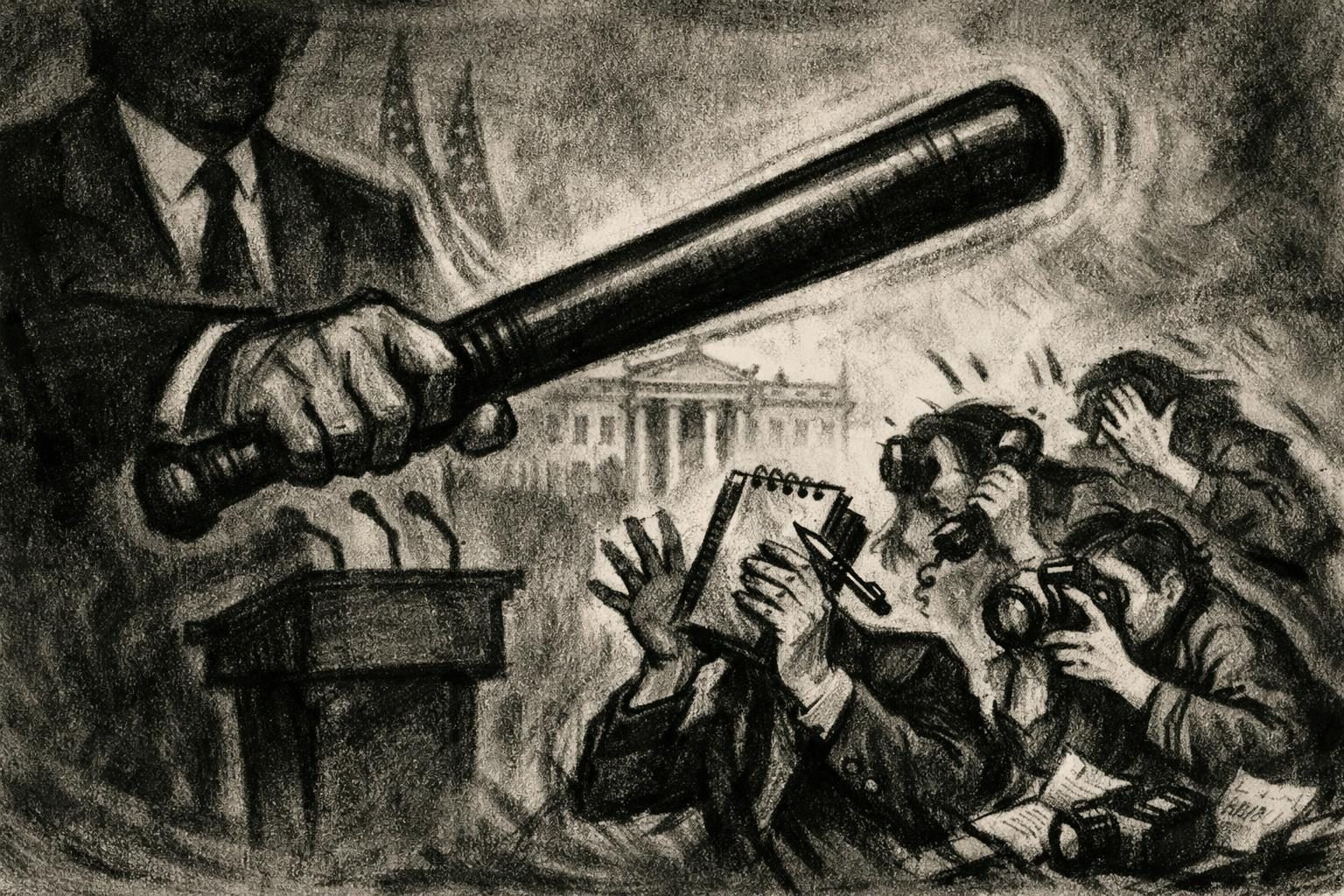
The Trump administration’s long-running war on leaks has crossed into territory that looks less like routine law enforcement and more like an effort to scare the press into silence. Newly unsealed court material shows the Justice Department sought phone records tied to several journalists at the New York Times, along with records connected to some of their relatives, as part of an investigation aimed at identifying confidential sources. The subpoenas were linked to reporting about a luxury Air Force One aircraft reportedly gifted to Trump by Qatar, but the scope described in the filings appears far broader than a narrow effort to trace a single disclosure. In some instances, the records requests began on January 1, 2026, well before the events the government said triggered the inquiry. That timing matters because it raises obvious questions about whether investigators were really chasing one leak or assembling a sprawling map of reporters’ contacts in hopes that something useful would turn up.
For journalists, this is not a technical dispute about paperwork. It is a direct challenge to the basic condition that allows source-driven reporting to exist at all. Newsrooms depend on confidentiality because many of the most important stories in public life begin with people inside government, contractors, or agencies who are willing to talk only if their identities are protected. When prosecutors seek records that reach beyond the immediate subject of an investigation and into the private communications of reporters and their family members, they do more than gather evidence. They create a climate in which anyone considering a conversation with a journalist has to wonder whether the government will trace the call, subpoena the phone company, or start probing people around them. The chilling effect is not theoretical. It is built into the method. Officials can say they are simply enforcing the law, but the practical message sent by broad subpoenas is that contact with the press can drag your entire network into a federal investigation.
That is why the details in these filings matter so much. A carefully targeted leak probe might focus on a specific communication, a defined time window, or a particular official with access to sensitive information. A request that reaches back months before the relevant event and sweeps up additional private numbers looks far less restrained. It invites the suspicion that the goal is not just to identify the source of one story, but to create leverage over future reporting by demonstrating how easily the government can peer into the machinery of journalism. Trump has never hidden his hostility to critical coverage, and his administration has repeatedly treated unfavorable reporting as evidence of disloyalty rather than part of the normal rough-and-tumble of democracy. When that attitude is carried into the Justice Department, the line between legitimate inquiry and political intimidation gets dangerously thin. Even if prosecutors insist the subpoenas were lawful, the breadth and timing make it hard to avoid the impression that the state is using investigative tools to pressure the press as much as police secrecy.
The broader damage may already be underway, whether or not the requests survive legal challenge. Once journalists learn that relatives’ records can be pulled into a leak investigation, every source relationship becomes more brittle. People who might otherwise come forward with information about spending, diplomacy, internal disputes, or potential conflicts of interest are likely to pull back, delay contact, or demand tighter anonymity. Editors and lawyers will become more cautious, and that caution will inevitably shape what gets published and when. The government may eventually argue that the records were sought for a legitimate purpose, and it is possible that some parts of the inquiry will be narrowed or rejected by the courts. But the public damage happens early, at the moment the subpoenas become known. The administration gets to say it is serious about protecting sensitive information, yet the tactics described in the filings suggest something more troubling: a White House willing to use the machinery of law enforcement to intimidate the people who report on it. That is not accountability. It is control by subpoena, and it sends exactly the kind of warning that free societies are supposed to reject.
Comments
Threaded replies, voting, and reports are live. New users still go through screening on their first approved comments.
Log in to comment
No comments yet. Be the first reasonably on-topic person here.