
A tax-shelter indictment shows what real retaliatory filings look like
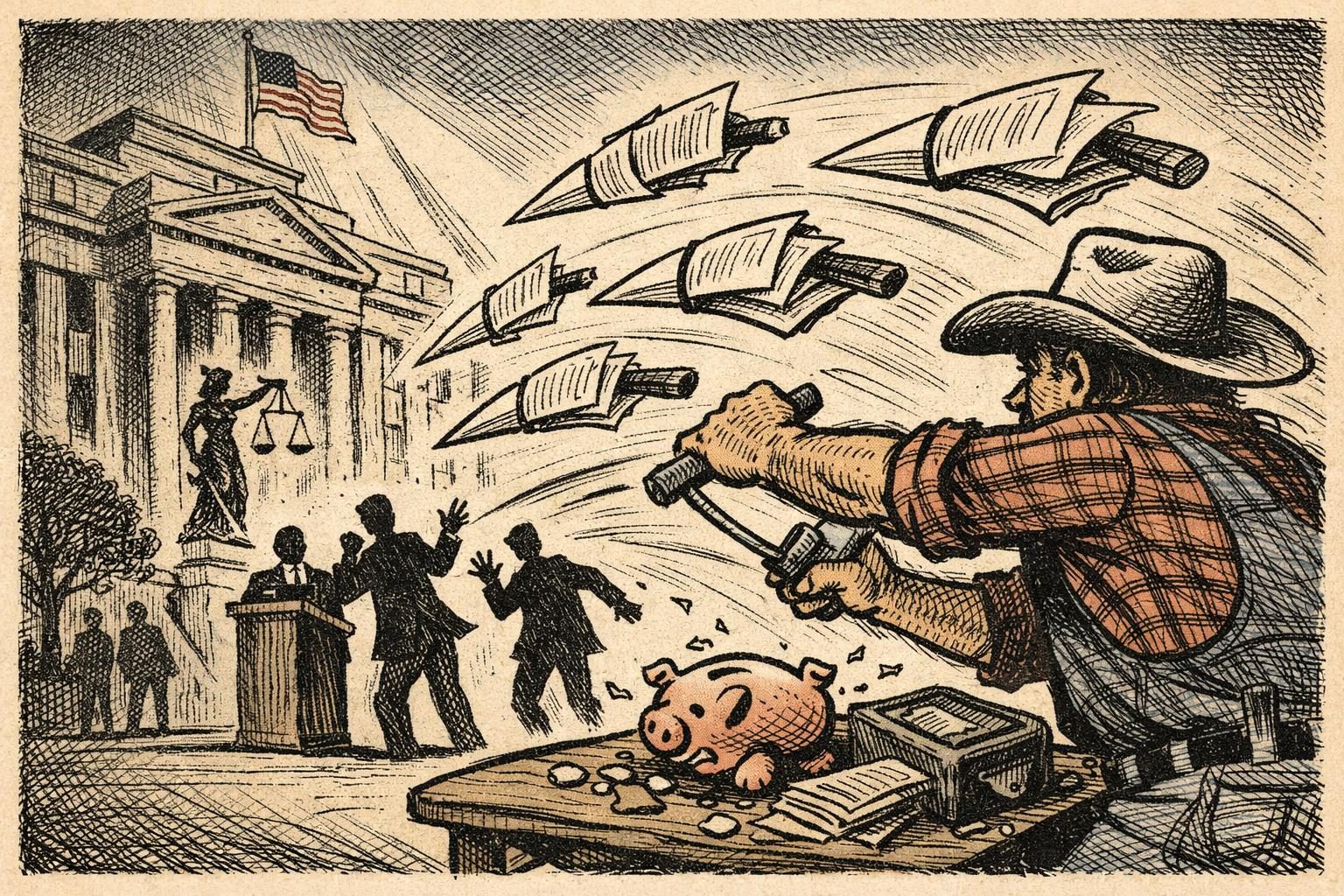
The Justice Department says a Texas tax-shelter promoter crossed from paper-shuffling into criminal retaliation. On July 15, 2026, a federal grand jury returned an indictment charging Roger Napoleon Grant of Plano, Texas, with tax crimes and with filing false liens against federal officials. The indictment was later unsealed on July 20. ([justice.gov](https://www.justice.gov/opa/pr/promoter-abusive-tax-shelter-indicted-tax-crimes-and-retaliating-against-federal-officials?utm_source=openai))
According to the government, Grant promoted an abusive trust tax shelter that concealed income from the IRS and was sold to others. Prosecutors also say he filed retaliatory liens aimed at a list of officials tied to tax enforcement and related legal work, including the attorney general, the acting IRS commissioner, the acting U.S. attorney in Colorado, a federal court clerk, and a Justice Department civil lawyer. The charge sheet puts the alleged conduct squarely in the category of using legal filings as a weapon, not as a lawful challenge. ([justice.gov](https://www.justice.gov/opa/pr/promoter-abusive-tax-shelter-indicted-tax-crimes-and-retaliating-against-federal-officials?utm_source=openai))
That matters because a false lien is not just a rude letter or a symbolic protest. It can complicate property records, force a target to spend time and money clearing title, and create a nuisance that survives long after the filing is exposed as bogus. Federal law specifically treats false liens against federal officials as a crime, and the criminal tax manual describes the filing of such liens as a distinct prohibited act. ([justice.gov](https://www.justice.gov/archives/tax/file/477081/dl?utm_source=openai))
The politics around the case are obvious enough. Trump-aligned rhetoric has made “weaponization” and “lawfare” into catch-all terms for nearly any bad day in court or at the Justice Department. This indictment points the other direction. If the allegation is right, the abuse did not come from prosecutors stretching a case to make a point. It came from a private actor allegedly trying to punish public officials by filing paperwork that was meant to cause them trouble. ([justice.gov](https://www.justice.gov/opa/pr/promoter-abusive-tax-shelter-indicted-tax-crimes-and-retaliating-against-federal-officials?utm_source=openai))
The result is an awkward fit for the grievance script. The same movement that insists legal accountability is always persecution is now staring at an indictment that describes a different kind of abuse: not enforcement overreach, but retaliation dressed up as law. If prosecutors can prove the allegations, the case would stand as a reminder that legal machinery can be manipulated from either side of the ledger. Sometimes the paperwork is the complaint. Sometimes, according to the government, it is the threat. ([justice.gov](https://www.justice.gov/opa/pr/promoter-abusive-tax-shelter-indicted-tax-crimes-and-retaliating-against-federal-officials?utm_source=openai))
Comments
Threaded replies, voting, and reports are live. New users still go through screening on their first approved comments.
Log in to comment
No comments yet. Be the first reasonably on-topic person here.