
Trump blames Canada for wildfire smoke and floats tariffs again
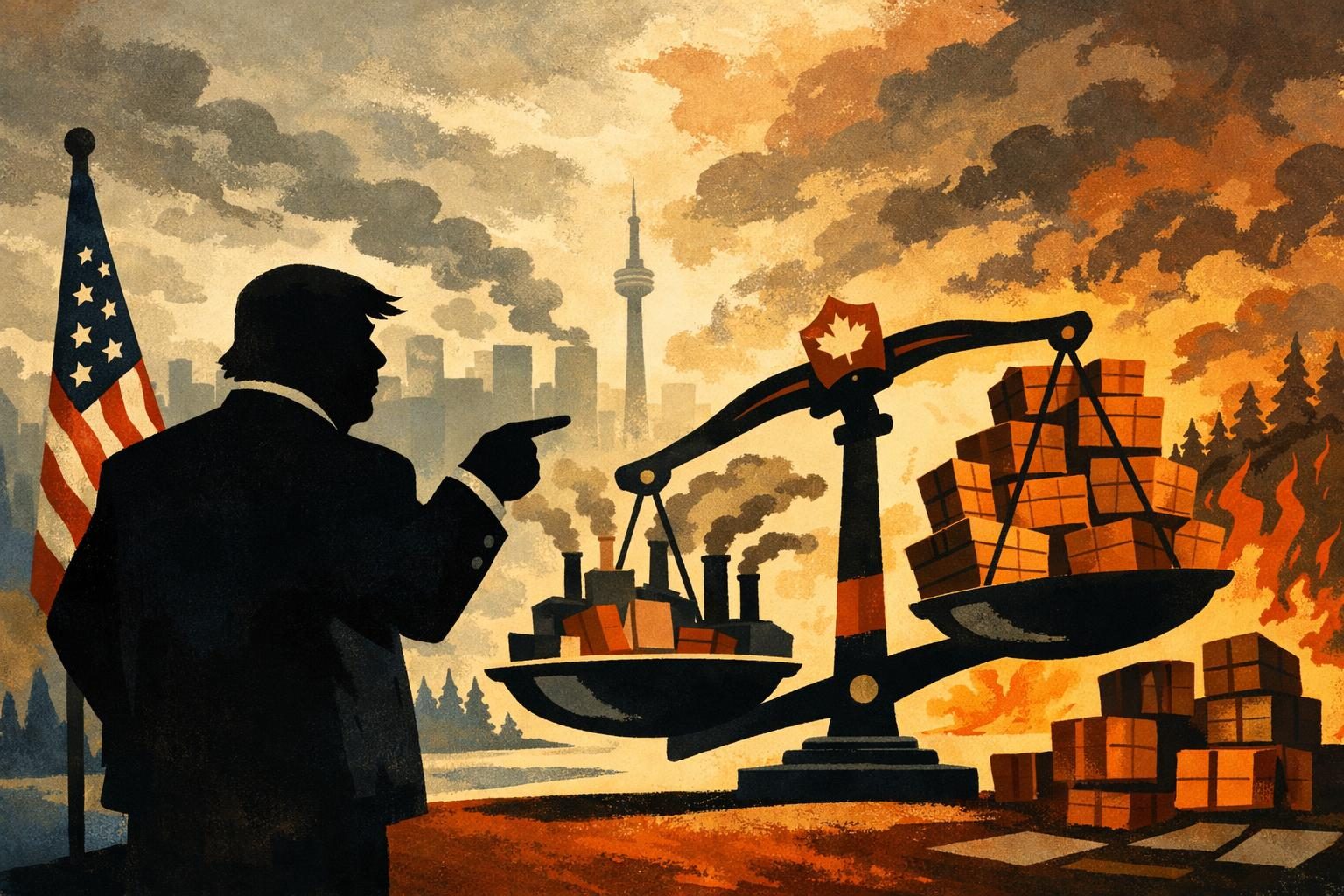
On July 17, 2026, President Donald Trump blamed Canada for wildfire smoke drifting into the United States and said the cost of dealing with it should be added to tariffs on Canadian goods. The remark came as smoke from Canadian fires helped push air quality to unhealthy levels in parts of the Midwest, Northeast and Mid-Atlantic, where officials urged people to limit time outdoors and take precautions.
The threat was not a formal new trade action. It was a political response to an environmental problem, and the mismatch matters. Wildfire smoke crosses borders because wind carries it, not because a country has violated a tariff rule or shipped a product through customs. Tariffs can change the price of imports. They cannot clear the sky, stop a fire, or reroute an air mass.
Still, the comment fit a pattern Trump has leaned on before: treating tariffs as the default punishment for problems he wants to pin on another country. The White House has already used duties against Canada in connection with claims about the flow of illicit drugs across the northern border, showing how far the tariff tool has been stretched in this administration. That earlier action was separate from the wildfire-smoke threat, which was made publicly on July 17 and did not appear to be a new executive order.
The politics are obvious enough. Trump put Canada in the role of culprit, cast himself as the person willing to hit back, and turned a public-health nuisance into another border grievance. But the underlying problem stayed the same: smoke is an atmospheric hazard, not a trade dispute. Adding more tariffs to the pile does nothing for people breathing bad air, and it does nothing to stop the next plume from drifting south when the wind shifts again.
Comments
Threaded replies, voting, and reports are live. New users still go through screening on their first approved comments.
Log in to comment
No comments yet. Be the first reasonably on-topic person here.