
Trump’s declassification rollout reads more like a loyalty drill than a disclosure
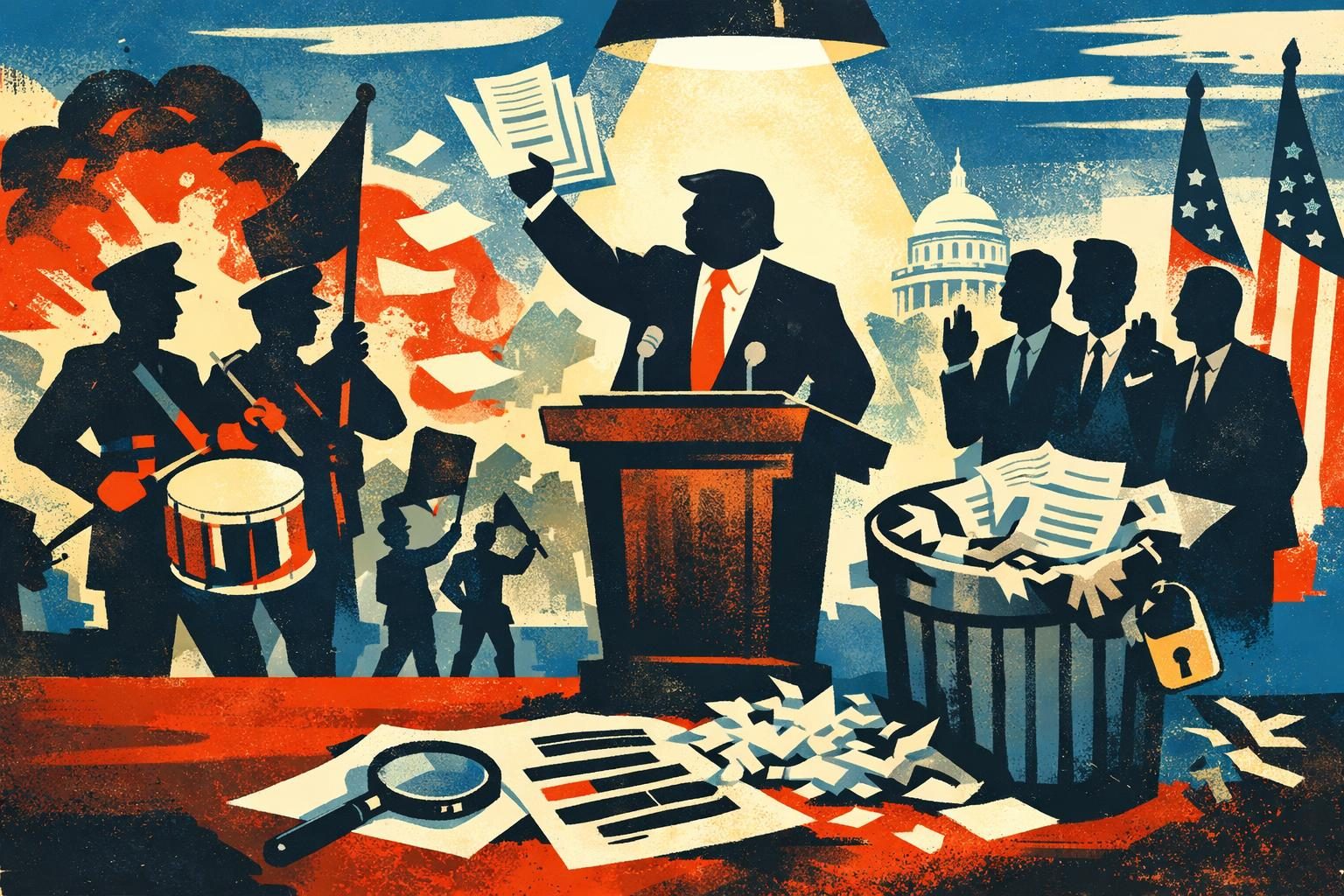
Trump’s election-intelligence rollout came with the kind of language that tells supporters what to feel before they have finished reading what was released. On July 16, 2026, the president used a primetime address to announce newly declassified material related to foreign election interference. The White House then posted follow-up pages on July 17 describing the release as proof of a long-hidden conspiracy. ([whitehouse.gov](https://www.whitehouse.gov/videos/tonight-president-trump-discusses-the-integrity-of-our-elections-every-american-should-tune-in/?utm_source=openai))
That sequence matters. The public event was the July 16 address; the July 17 White House pages were part of the same rollout, not a separate disclosure. The administration’s own framing leaned hard on terms like suppression, hidden intelligence, and deep-state conduct, but the released material does not automatically establish the strongest version of those claims. ([whitehouse.gov](https://www.whitehouse.gov/videos/tonight-president-trump-discusses-the-integrity-of-our-elections-every-american-should-tune-in/?utm_source=openai))
What the documents do appear to show is narrower and less theatrical: U.S. officials believed foreign actors had the ability to threaten election systems, and the White House says some intelligence was not shared in the way Trump says it should have been. That is serious enough on its own. It is also different from proving that a coordinated coverup changed election outcomes or that the release settles the underlying political fight. ([whitehouse.gov](https://www.whitehouse.gov/releases/2026/07/setting-the-record-straight-president-trump-declassifies-intel-on-foreign-election-interference-deep-state-coverup/?query-11-page=2&utm_source=openai))
That distinction is the part the White House messaging tries to bulldoze. If the point of declassification is to put evidence in public view, the evidence should be allowed to speak in full sentences instead of sound bites. Here, the release was wrapped in a victory lap that encouraged supporters to treat it as vindication before the documents had even been tested against the record. ([whitehouse.gov](https://www.whitehouse.gov/releases/2026/07/setting-the-record-straight-president-trump-declassifies-intel-on-foreign-election-interference-deep-state-coverup/?query-11-page=2&utm_source=openai))
There is also a practical problem with the way this was sold. Once a disclosure is packaged as proof of betrayal, every ambiguity starts to look like concealment and every disagreement starts to look like disloyalty. That is a useful political posture. It is not a great way to build confidence in the intelligence process. Serious oversight depends on separating what the documents actually say from what the president’s team wants them to mean. ([whitehouse.gov](https://www.whitehouse.gov/releases/2026/07/setting-the-record-straight-president-trump-declassifies-intel-on-foreign-election-interference-deep-state-coverup/?query-11-page=2&utm_source=openai))
The White House was free to argue that the public deserved more information about foreign interference and intelligence handling. It was not free to pretend that a loud rollout is the same thing as proof. The release may matter. The claims around it still need to earn their keep. ([whitehouse.gov](https://www.whitehouse.gov/releases/2026/07/setting-the-record-straight-president-trump-declassifies-intel-on-foreign-election-interference-deep-state-coverup/?query-11-page=2&utm_source=openai))
Comments
Threaded replies, voting, and reports are live. New users still go through screening on their first approved comments.
Log in to comment
No comments yet. Be the first reasonably on-topic person here.