
Justice Department’s denaturalization push keeps looking like a show trial for camera
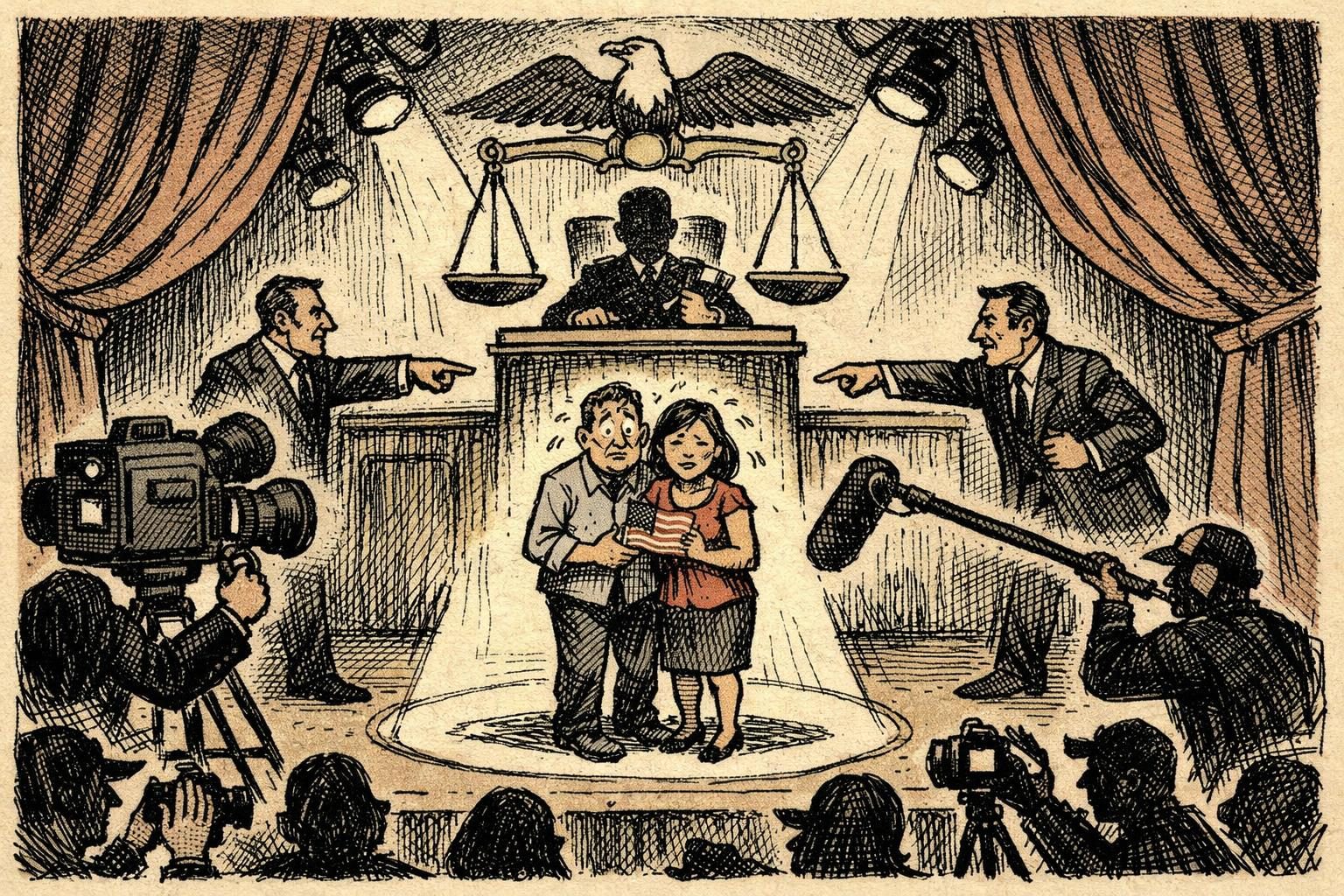
The Justice Department’s latest denaturalization push is real enough in the legal sense and theatrical enough in the political sense to make both sides of the argument uncomfortable. On July 20, the department announced civil actions against 10 naturalized citizens it says were involved in serious crimes, and it described the effort as the largest denaturalization campaign in its history. That is not the same thing as stripping anyone of citizenship right now. These are lawsuits, not finished judgments, and the government still has to prove its claims in court. But the way the department framed the announcement made the filings feel less like the beginning of a careful legal process and more like a victory lap for a stage-managed enforcement drive. The message was not simply that fraudulently obtained citizenship can be challenged under existing law. The message was that the administration wanted the public to watch the challenge as a spectacle.
That distinction matters more than the usual boilerplate about tough-on-crime politics. Denaturalization is not a made-up power, and it is not automatically abusive just because it is unpopular. Federal law does allow citizenship to be revoked in limited circumstances, including when it was illegally procured or obtained through concealment or willful misrepresentation. That is a narrow and serious remedy, which is one reason civil denaturalization cases can be consequential even before they are resolved. The government can argue, with some force, that people who lied their way into citizenship should not get to keep the benefit of that deception. Supporters of the administration will also point out that the cases announced were tied to accusations of serious wrongdoing, including allegations involving child-related offenses, fraud, and drug crimes. None of that is trivial. But the existence of a valid legal tool does not excuse turning it into a public relations contest, especially when the underlying cases are still allegations that must be tested against evidence and procedure. The law can be sound while the marketing is reckless.
The problem is not only the substance of the cases. It is the performative framing around them, which turns a narrow enforcement mechanism into a political message about who counts and who does not. When the government announces civil filings with language that makes them sound like a sweeping purge, it encourages the public to think of citizenship as something conditional, fragile, and always at the mercy of the people running the executive branch. That is a dangerous posture to normalize, even if the individual defendants are not sympathetic. Naturalized Americans are supposed to be Americans, not permanent probation cases waiting for the next press event. Yet the department’s presentation invited exactly that kind of reading by wrapping legal actions in a triumphant narrative about scale, toughness, and the supposed clarity of the administration’s moral judgment. The result is a communication strategy that blurs the line between adjudication and punishment. It tells the audience to treat accusation as verdict and court filing as accomplishment. That is a bad habit for any administration, and it becomes worse when the subject is citizenship itself.
There is also a broader constitutional and political cost to the way this is being sold. Even people who think denaturalization should be used aggressively can recognize that the government has a special obligation to avoid making citizenship look contingent on rhetoric rather than law. When the state starts boasting about revocation campaigns, it sends a signal beyond the named defendants. It tells every naturalized citizen that the government is willing to place citizenship back into the realm of public contest, where it can be narrated, dramatized, and wielded for partisan effect. That is where the deeper damage lies. The issue is not simply whether the department can win these cases. It is whether the administration is teaching the public to see citizenship as another object in the culture-war inventory, like a talking point to be deployed against a disfavored group and then discarded once the cameras move on. If the cases succeed, the White House and the Justice Department will almost certainly claim vindication and keep the same messaging pattern going. If the cases fail or are narrowed by the courts, the administration will complain about activism, soft-on-crime instincts, or procedural obstruction. Either way, the public is left with an enforcement campaign built to maximize drama and minimize humility. That may be politically useful in the short term, but it is a corrosive way to handle one of the most serious powers the government has. The state should be able to prosecute fraud and revoke citizenship where the law allows it without turning the process into a show trial for the benefit of the camera. Right now, this department is doing the opposite, and the performance is doing almost as much work as the law.
Comments
Threaded replies, voting, and reports are live. New users still go through screening on their first approved comments.
Log in to comment
No comments yet. Be the first reasonably on-topic person here.