
The Justice Department’s denaturalization push is real. The performance is the point.
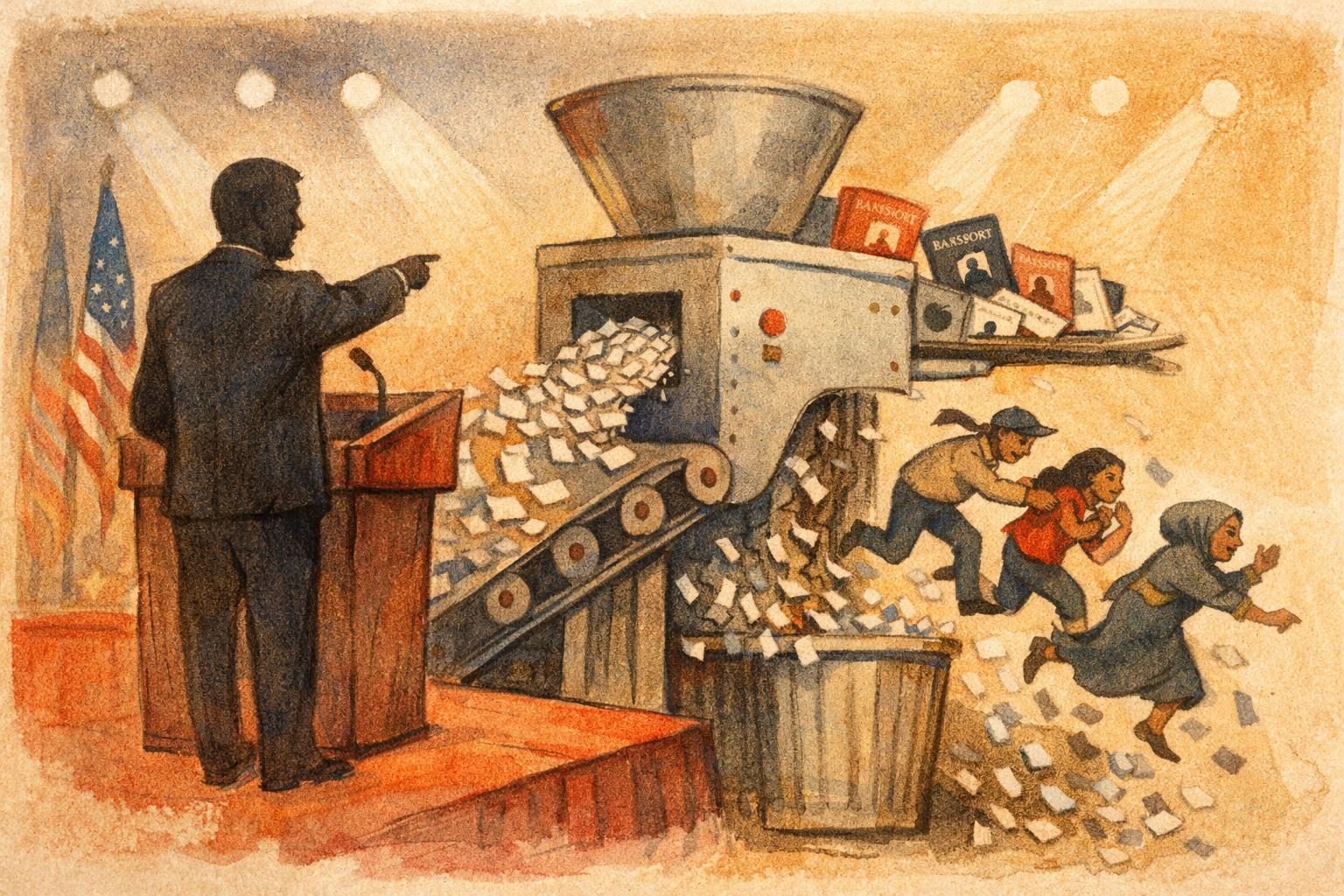
On July 20, 2026, the Justice Department announced that it had filed denaturalization actions in federal court against 10 naturalized U.S. citizens over the previous 30 days. The department said the cases involved allegations including sexual abuse of a child, health care and wire fraud, immigration fraud, and cocaine trafficking. It also called the effort the Trump administration’s largest denaturalization effort ever. ([justice.gov](https://www.justice.gov/opa/pr/justice-department-moves-revoke-us-citizenship-10-naturalized-criminals-including-child?utm_source=openai))
That timeline matters. The government was not announcing completed citizenship revocations on July 20. It was announcing pending civil cases that would still have to move through court under the Immigration and Nationality Act, which allows denaturalization when citizenship was illegally procured or obtained through concealment or willful misrepresentation. ([justice.gov](https://www.justice.gov/opa/pr/justice-department-moves-revoke-us-citizenship-10-naturalized-criminals-including-child?utm_source=openai))
The legal authority is real. So is the messaging. DOJ did not present these as isolated filings with a narrow factual claim attached to each one. It packaged them as a sweep, emphasized scale, and tied them to a broader administration narrative about fraud, criminality, and citizenship. That makes the rollout read less like a routine enforcement update and more like a political display built around a harsh remedy. ([justice.gov](https://www.justice.gov/opa/pr/justice-department-moves-revoke-us-citizenship-10-naturalized-criminals-including-child?utm_source=openai))
That choice carries risk. Denaturalization is a serious power, and the government has to prove its cases in court. Turning a set of complaints into a banner campaign may satisfy the appetite for toughness, but it also puts the spotlight on a result that has not happened yet. If the cases succeed, the department will say it was projecting confidence. If they do not, the theatrics will look premature. Either way, the announcement was designed to signal something bigger than the paperwork itself. ([justice.gov](https://www.justice.gov/opa/pr/justice-department-moves-revoke-us-citizenship-10-naturalized-criminals-including-child?utm_source=openai))
Comments
Threaded replies, voting, and reports are live. New users still go through screening on their first approved comments.
Log in to comment
No comments yet. Be the first reasonably on-topic person here.