
Trump announced new 50% tariffs on Canada on July 20, not July 29
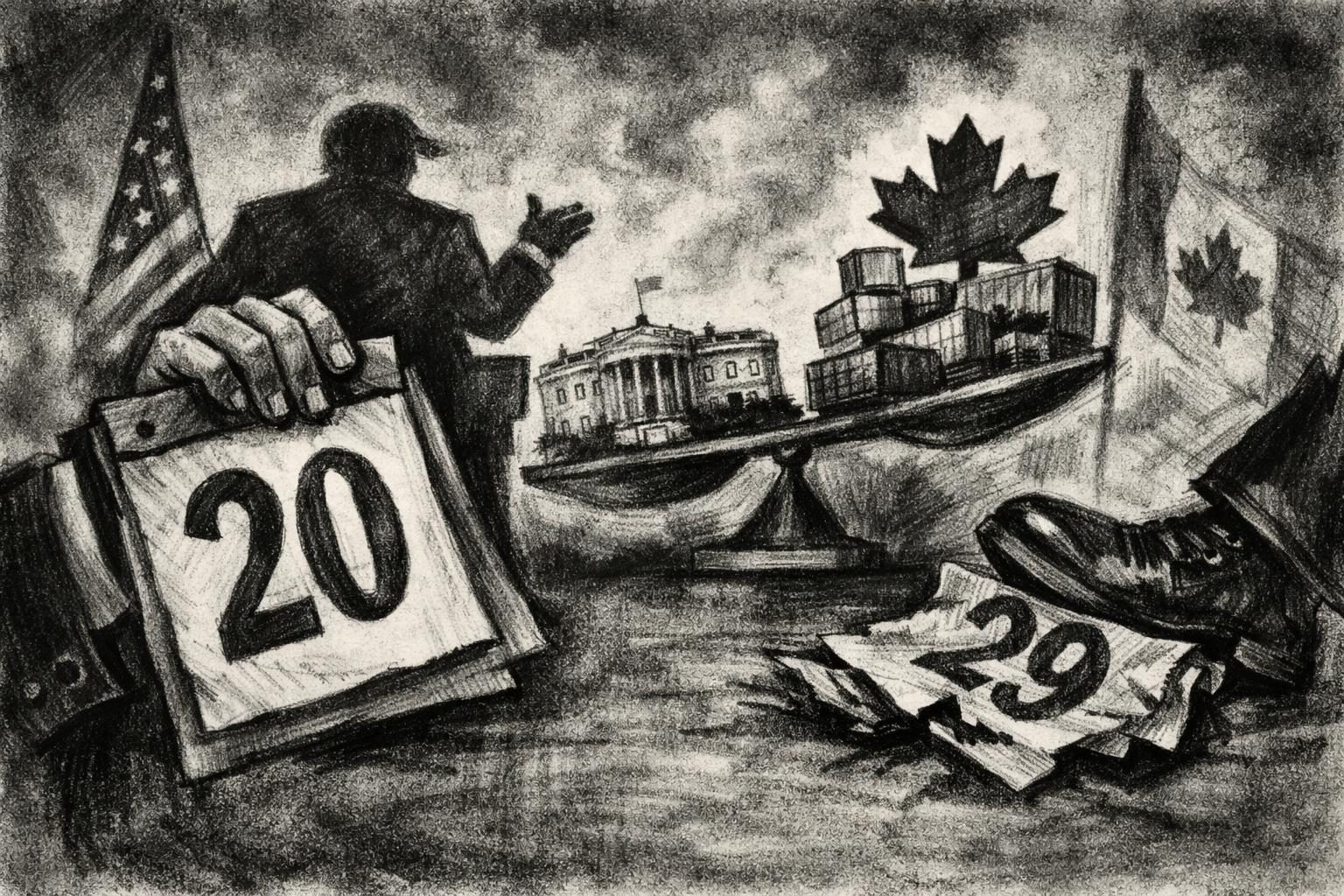
President Trump’s latest tariff action against Canada was announced on July 20, 2026, not July 29. That detail matters because the official record shows the move was already on the books before the publication date attached to this repair. The U.S. Trade Representative said Ambassador Jamieson Greer issued a statement after Trump exercised authority under Section 338 of the Tariff Act of 1930 to impose additional 50% tariffs on Canada. The administration said the action was meant to offset Canada’s discriminatory treatment of U.S. exports, and it pointed specifically to motor vehicles, alcoholic beverages, and dairy. ([ustr.gov](https://ustr.gov/about/policy-offices/press-office/press-releases/2026/july/ambassador-greer-issues-statement-president-trump-imposing-section-338-tariffs-canada))
The White House said Trump signed three separate Section 338 actions on July 20 aimed at what it described as Canada’s unreasonable and discriminatory measures against those products. USTR said the tariffs would apply to nearly $20 billion in imports from Canada and were scheduled to take effect in thirty days. Those are the concrete facts in the official materials: the date, the legal authority, the tariff rate, the target country, the product categories, and the delayed effective date. ([ustr.gov](https://ustr.gov/about/policy-offices/press-office/press-releases/2026/july/ambassador-greer-issues-statement-president-trump-imposing-section-338-tariffs-canada))
What the official documents do not establish is the wider economic fallout. They do not prove higher consumer prices, slower deliveries, or damaged supply chains from this specific action, even if those are common concerns about tariffs. So the cleaner read is simpler: the administration used a familiar tariff tool, at a high rate, against one of the country’s biggest trading partners, and it did so in the name of forcing reciprocity on a narrow list of products. That is a policy choice with obvious tradeoffs, but the evidence in the record stops at the policy itself. ([ustr.gov](https://ustr.gov/about/policy-offices/press-office/press-releases/2026/july/ambassador-greer-issues-statement-president-trump-imposing-section-338-tariffs-canada))
The broader pattern is still plain enough without overstatement. Trump has now tied another round of trade punishment to a claim that foreign access to the U.S. market should be met with matching access abroad. Whether that approach produces leverage or just more friction is a political argument. The verified point is that on July 20 the administration chose escalation, set a 50% rate, and gave Canadian goods a thirty-day clock before the duties were supposed to land. ([ustr.gov](https://ustr.gov/about/policy-offices/press-office/press-releases/2026/july/ambassador-greer-issues-statement-president-trump-imposing-section-338-tariffs-canada))
Comments
Threaded replies, voting, and reports are live. New users still go through screening on their first approved comments.
Log in to comment
No comments yet. Be the first reasonably on-topic person here.