
Trump’s aluminum move adds another tariff layer to an already crowded July
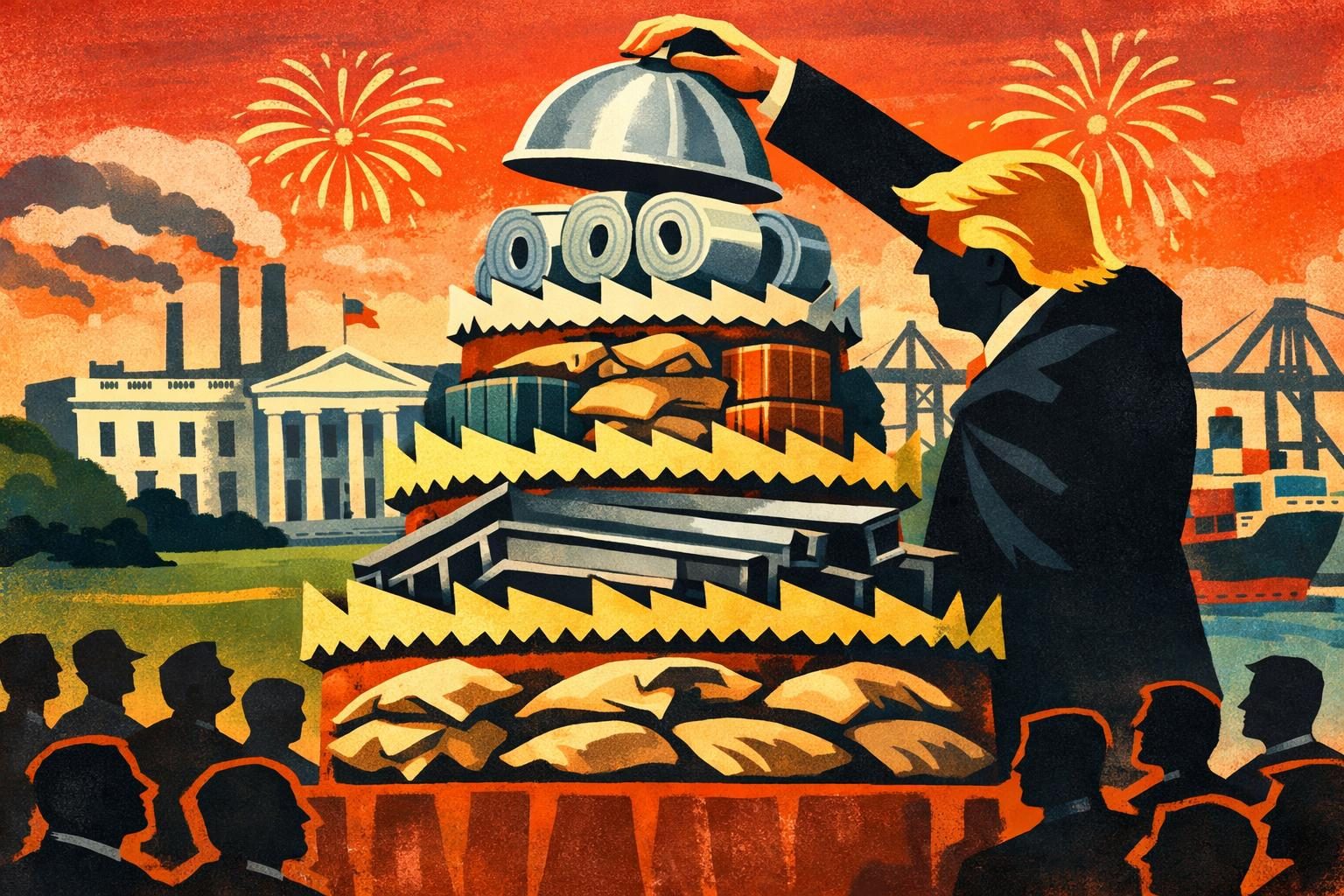
On July 20, 2026, President Donald Trump signed a proclamation under Section 232 to address what the White House described as a national security threat from aluminum imports and to push new investment in U.S. aluminum production. The structure is blunt: companies that submit onshoring plans and get them approved can qualify to import a commensurate amount of primary aluminum at a tariff rate equal to half of the otherwise applicable Section 232 duty. The same proclamation also says the Secretary can approve, track, and enforce those plans, and that the benefit is tied to the project’s expected output once completed. ([whitehouse.gov](https://www.whitehouse.gov/fact-sheets/2026/07/fact-sheet-president-donald-j-trump-takes-further-action-to-adjust-imports-of-aluminum-into-the-united-states/?query-11-page=141&utm_source=openai))
That makes the policy less like a clean across-the-board tariff cut and more like a conditional bargain. The government is not simply lowering a rate and walking away; it is inserting federal approval into the middle of investment planning, with the reward depending on a plan that has to be accepted and kept on track. For manufacturers and importers, that means the cost of aluminum is now tied not just to market conditions, but to a separate administrative process that can change how quickly firms can move. That is an inference about business planning, but it follows directly from the way the program is written. ([whitehouse.gov](https://www.whitehouse.gov/fact-sheets/2026/07/fact-sheet-president-donald-j-trump-takes-further-action-to-adjust-imports-of-aluminum-into-the-united-states/?query-11-page=141&utm_source=openai))
The aluminum move also landed in a very busy stretch of trade policy. The White House issued a separate aircraft and engine proclamation on July 9, 2026; on July 20 it also announced additional tariffs on Canada; and on July 21 it announced a trade deal framework with Jordan. Those are distinct legal and policy actions, not one single order, but they do show how much tariff and trade activity the administration packed into a short run of dates. ([whitehouse.gov](https://www.whitehouse.gov/fact-sheets/2026/07/fact-sheet-president-donald-j-trump-adjusts-imports-of-commercial-aircraft-jet-engines-and-aircraft-and-engine-parts-into-the-united-states/?utm_source=openai))
That sequence is why the aluminum action reads less like a tidy industrial plan than another layer in a fast-moving tariff regime. The White House is selling the package as leverage for domestic capacity and supply-chain security. The practical effect for businesses is harder to ignore: more rules, more approvals, and more chances for the terms to shift again before any new plant is built or any new sourcing contract is signed. ([whitehouse.gov](https://www.whitehouse.gov/fact-sheets/2026/07/fact-sheet-president-donald-j-trump-takes-further-action-to-adjust-imports-of-aluminum-into-the-united-states/?query-11-page=141&utm_source=openai))
Comments
Threaded replies, voting, and reports are live. New users still go through screening on their first approved comments.
Log in to comment
No comments yet. Be the first reasonably on-topic person here.