
Disaster-aid conditions turn into a new Trump coercion fight
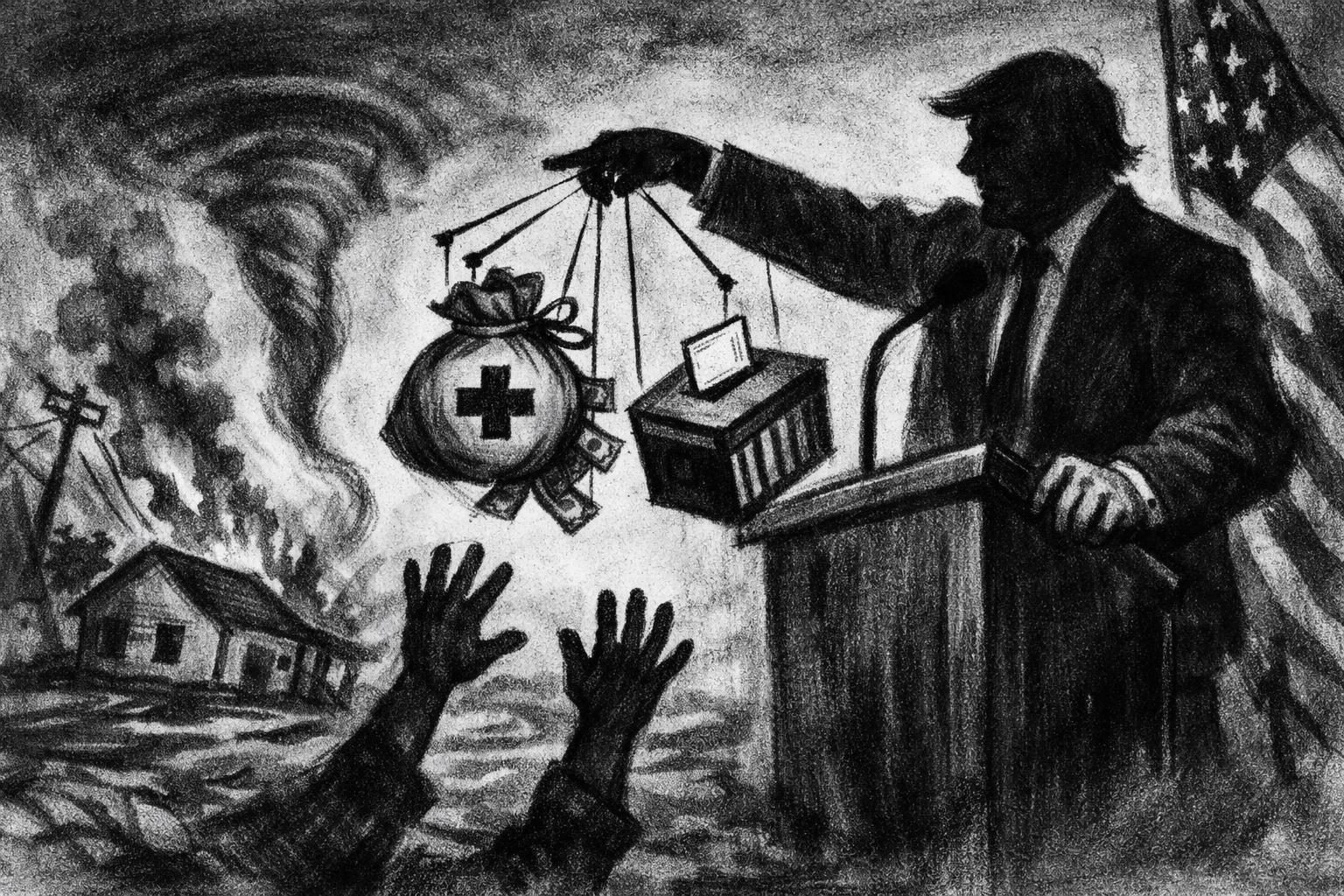
A multistate coalition has asked a federal court in Rhode Island to block new conditions the Trump administration placed on emergency and homeland-security grants, saying the federal government is trying to use disaster money to force states to change election rules and cooperate with immigration enforcement priorities.
The lawsuit, filed July 23 by 24 attorneys general, the District of Columbia, and the governors of Kentucky and Pennsylvania, targets conditions attached to funding run through the Department of Homeland Security and the Federal Emergency Management Agency. State officials say the requirements are not tied to the purpose of the grants and instead try to leverage essential public-safety money to win policy changes the executive branch could not otherwise impose.
In the states’ telling, that matters because the money at issue pays for work that cannot wait: disaster response, recovery, emergency management, and counterterrorism preparation. The complaint says the conditions would reach into election administration and immigration cooperation, and it argues that the federal government cannot turn grants Congress approved for emergency and security work into pressure points for unrelated political demands.
The challenge also takes aim at a funding threat that, according to the coalition, would withhold 20% of each state’s counterterrorism money if the conditions are not accepted. Officials in the lawsuit say that kind of penalty makes refusal illusory. A state facing a hurricane, wildfire, flood, or security threat may be able to sue, but it cannot easily tell residents to wait while the legal fight plays out.
That leaves the court with a familiar but consequential spending-power question: where is the line between lawful grant conditions and unlawful coercion? Federal agencies routinely attach rules to aid, including reporting requirements and limits meant to keep public money aligned with its statutory purpose. The coalition argues this case crosses a different line because the challenged conditions are aimed at state policy choices that sit outside the core mission of DHS and FEMA and repeat or revive prior attempts to impose similar terms.
If the states prevail, the case could narrow how far the executive branch can go in attaching policy demands to emergency aid and homeland-security grants. If the administration wins, federal agencies may have more room to use grant conditions as tools for shaping state behavior in areas far removed from the disaster programs themselves. Either way, the suit puts a sharp edge on the same basic dispute: when Washington controls the purse strings, how much can it ask before help starts to look like pressure?
Comments
Threaded replies, voting, and reports are live. New users still go through screening on their first approved comments.
Log in to comment
No comments yet. Be the first reasonably on-topic person here.