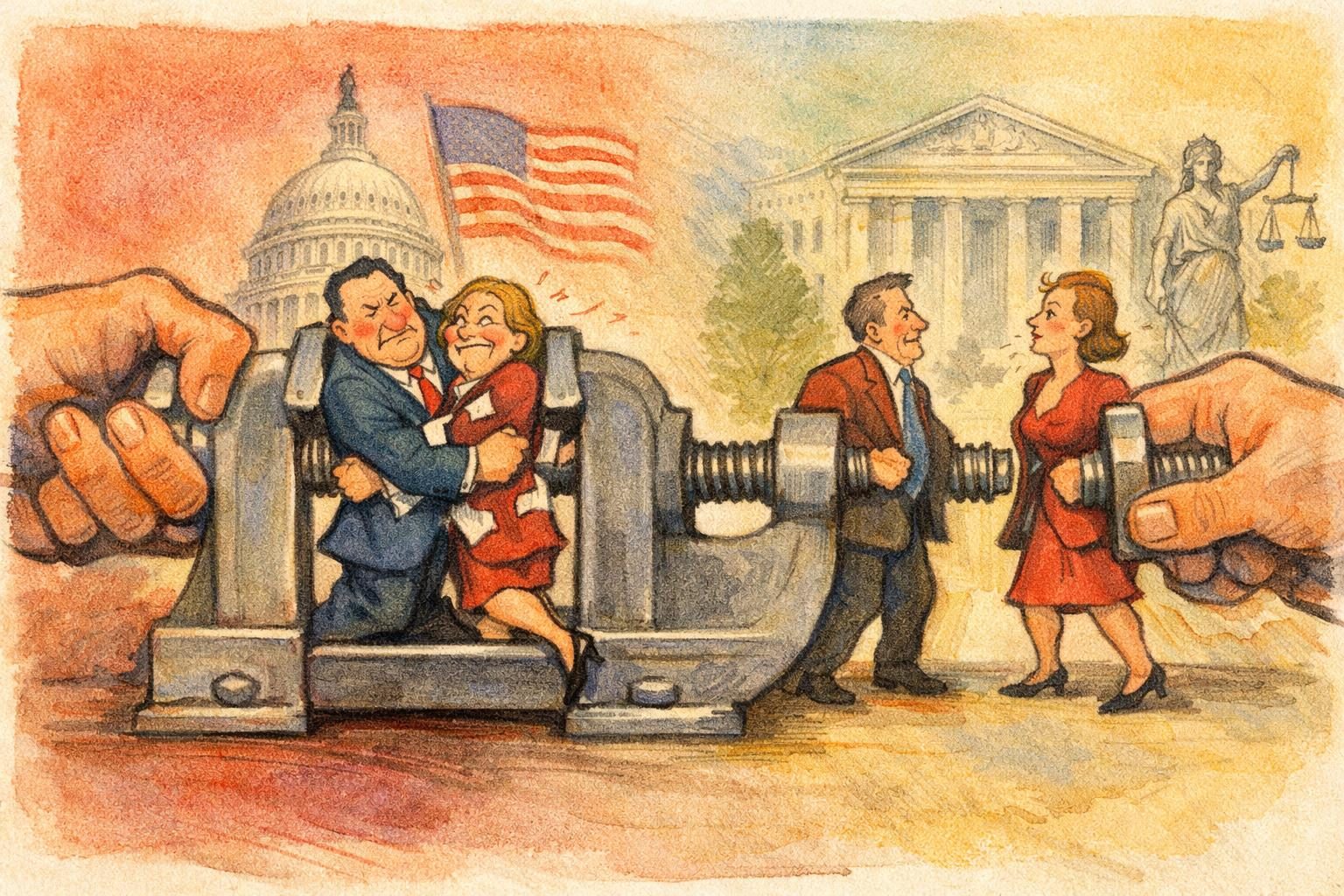
DOJ’s antitrust shop says it is speeding mergers up — after spending years making them slower
The Justice Department’s Antitrust Division said on July 23 that it is changing how it handles merger reviews, returning to a more targeted version of second-request investigations and circulating a model timing agreement to accompany the process. On paper, that sounds like a technical adjustment. In practice, it matters because merger review is often less about a single yes-or-no decision than about how long the government can keep a deal in limbo while it gathers information, negotiates changes, and decides whether it is willing to litigate. A narrower second request can mean fewer documents, fewer needless burdens, and a quicker path to an answer. The timing agreement is meant to add some predictability to a process that can otherwise stretch on for months. The division says the point is to speed things up, not to back away from antitrust enforcement altogether.
That distinction is important, because second requests have long been one of the most dreaded parts of merger review. They are the stage where regulators can demand large volumes of internal communications, market data, and other records from merging companies, often at considerable expense and delay. Supporters of the change can plausibly argue that a targeted request is the right way to focus on the information that actually matters, rather than making every transaction endure the most burdensome version of the process by default. A model timing agreement can also make it easier for companies and lawyers to understand the likely schedule and plan around it. If the government is serious about limiting the review to the facts that are relevant to a particular deal, then the revised approach could reduce waste and make merger enforcement less chaotic. It could also spare businesses from paying for an overbuilt process that sometimes seems designed to exhaust them before anyone reaches the merits.
But the new framework also highlights how much merger policy now depends on discretion, and discretion is not the same thing as a stable rule. A targeted request can be efficient when it is truly targeted, yet the same system can still become coercive if regulators decide to widen the scope, drag out negotiations, or use the threat of a more painful review to extract concessions. The Justice Department can say it is streamlining the mechanics of review while still keeping plenty of room to decide when a deal gets pressed, when it gets allowed to move, and when it gets blocked. That leaves companies trying to read not just the law but the temperament of the officials applying it. Under the Trump administration, that uncertainty carries extra weight because the White House has shown a willingness to use regulatory pressure as a tool of leverage. The result is a merger environment in which businesses may hear words like efficiency and predictability while still wondering whether the next transaction will be treated as a routine filing or a political test case.
The practical stakes are substantial because merger review sits at the intersection of competition policy, investment strategy, and industrial power. When the process is slow and expansive, it can chill transactions even before the government reaches a formal decision. When the process is too loose, it can let harmful concentration slip through with too little scrutiny. The department’s new approach is trying to claim the middle ground: tougher than laissez-faire, but less punishing than an open-ended information dump. Whether that balance holds will depend on how the division uses its discretion in real cases, especially when a transaction is large, sensitive, or politically awkward. If the new regime genuinely trims unnecessary delay, it could improve the quality of enforcement by letting regulators focus on the deals that actually raise serious concerns. If, instead, the streamlined language turns out to be mostly cosmetic, then the change will do little more than repackage the same old uncertainty in cleaner administrative terms. For now, the move looks like a real procedural shift with a built-in political edge, one that could make some deals easier to process while preserving the government’s ability to squeeze when it chooses. That may be a more efficient version of the same power. It is not, however, a promise that the power itself is going away.
Comments
Threaded replies, voting, and reports are live. New users still go through screening on their first approved comments.
Log in to comment
No comments yet. Be the first reasonably on-topic person here.