
DOJ’s new religious-liberty guidance pushes federal agencies into culture-war triage
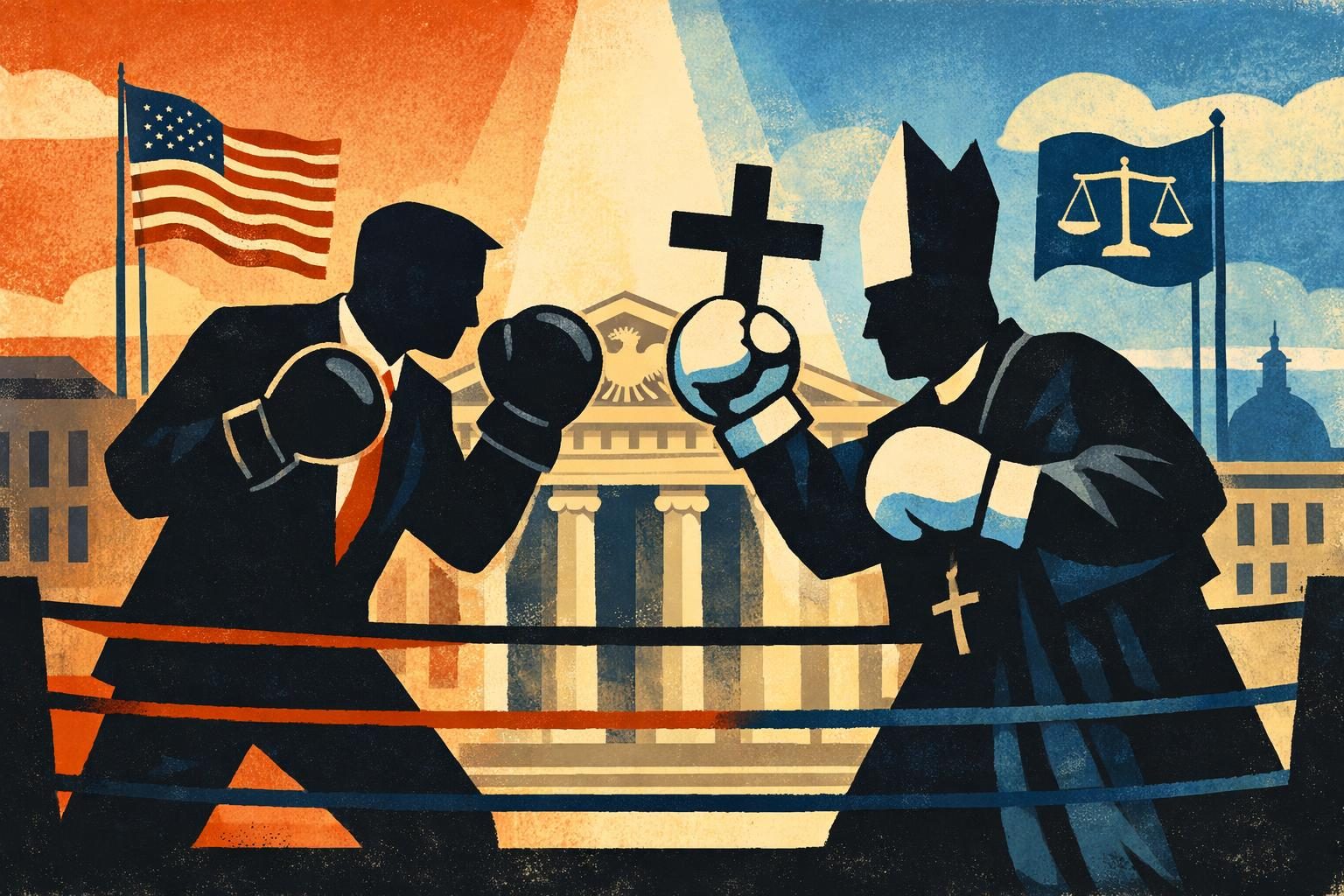
The Justice Department on July 23 rolled out updated government-wide guidance on religious liberty, telling executive agencies to treat accommodation questions as something to be built into policy from the beginning rather than patched in after the fact. The memo revises and expands a framework the department first issued in 2017, and it says recent Supreme Court decisions justify a broader, more explicit approach. On its face, the document reads like the sort of cross-agency housekeeping that usually gets filed under boring but necessary. But the practical message is harder to miss: federal officials are now being instructed to think earlier and more aggressively about religious objections in everything from employment and contracting to rulemaking and enforcement. That is not a small administrative tweak. It is a directive that could alter how agencies design programs before anyone even gets to the lawsuit stage.
The guidance says federal agencies should account for religious-liberty concerns when they write rules, review public comments, manage personnel issues, and administer programs that touch the public. It emphasizes that religious exercise is not confined to private belief or formal worship, but can include conduct in ordinary life, and it tells agencies to accommodate that conduct whenever the law permits and doing so is practicable. The memo also relies heavily on a 2025 Office of Legal Counsel opinion dealing with accommodations for federal employees, including the use of situational telework when it can resolve a conflict between a job requirement and a religious practice. In that same vein, the department says two older standards are no longer the right guideposts in the contexts it is discussing: the Title VII “de minimis” hardship test and the “appearance of official endorsement” test in certain Establishment Clause settings. Taken together, the memo is not just asking agencies to be considerate. It is telling them that the baseline for handling religion inside the federal government should be more accommodating, more deliberate, and less willing to treat objections as incidental friction.
That shift matters because it changes the point at which policy fights start. If agencies are told to identify religious-liberty issues at the front end, then the pressure will show up earlier in the drafting process, in internal clearance, in public comment responses, and in the negotiation over how much flexibility a rule can tolerate before it stops working. Supporters are likely to argue that this is exactly what a pluralistic government ought to do: take conscience seriously before a policy lands on someone’s desk, and avoid forcing people into unnecessary conflict with the state. Critics will see something else entirely, namely a system that gives religious objectors more leverage over federal decision-making and invites bureaucratic hesitation in place of clear rules. Both views have some logic to them, which is part of the problem. Every accommodation standard has to be interpreted somewhere, by someone, and every extra layer of review creates another point where a policy can be narrowed, delayed, or challenged. The administration’s position is that this is the cost of respecting liberty rather than treating it as a postscript. The counterargument is that the government is now training itself to anticipate religious pushback so thoroughly that it may start designing around it before other interests are even on the table.
This is also where the politics stop looking abstract. The legal foundation for religious accommodation is real, and the Justice Department is not inventing a free-floating right out of thin air. But the way the guidance is framed shows an administration eager to treat religious liberty as a broad organizing principle, not just a case-by-case obligation under existing law. That has obvious appeal in conservative legal circles, where complaints about hostility to religion in public life have been a durable theme for years. It also fits a familiar pattern in this administration: announce a principle in lofty, universal language, then let the machinery of government absorb the conflict and sort out the consequences later. The risk is that the conflict does not stay neatly inside the law books. Federal employees, contractors, civil rights advocates, and outside religious groups are likely to read the memo very differently depending on who thinks the accommodation is protecting their freedom and who thinks it is limiting someone else’s. That means more internal argument, more external pressure, and probably more litigation over what counts as enough deference and when the government has gone too far. In the best case, the guidance produces better-drafted rules and fewer needless clashes. In the worst case, it turns routine administration into a standing culture-war triage unit, with every agency forced to decide whose conscience gets weight first and whose comes second.
Comments
Threaded replies, voting, and reports are live. New users still go through screening on their first approved comments.
Log in to comment
No comments yet. Be the first reasonably on-topic person here.