
Trump’s AI power pledge still runs through state regulators and utility deals
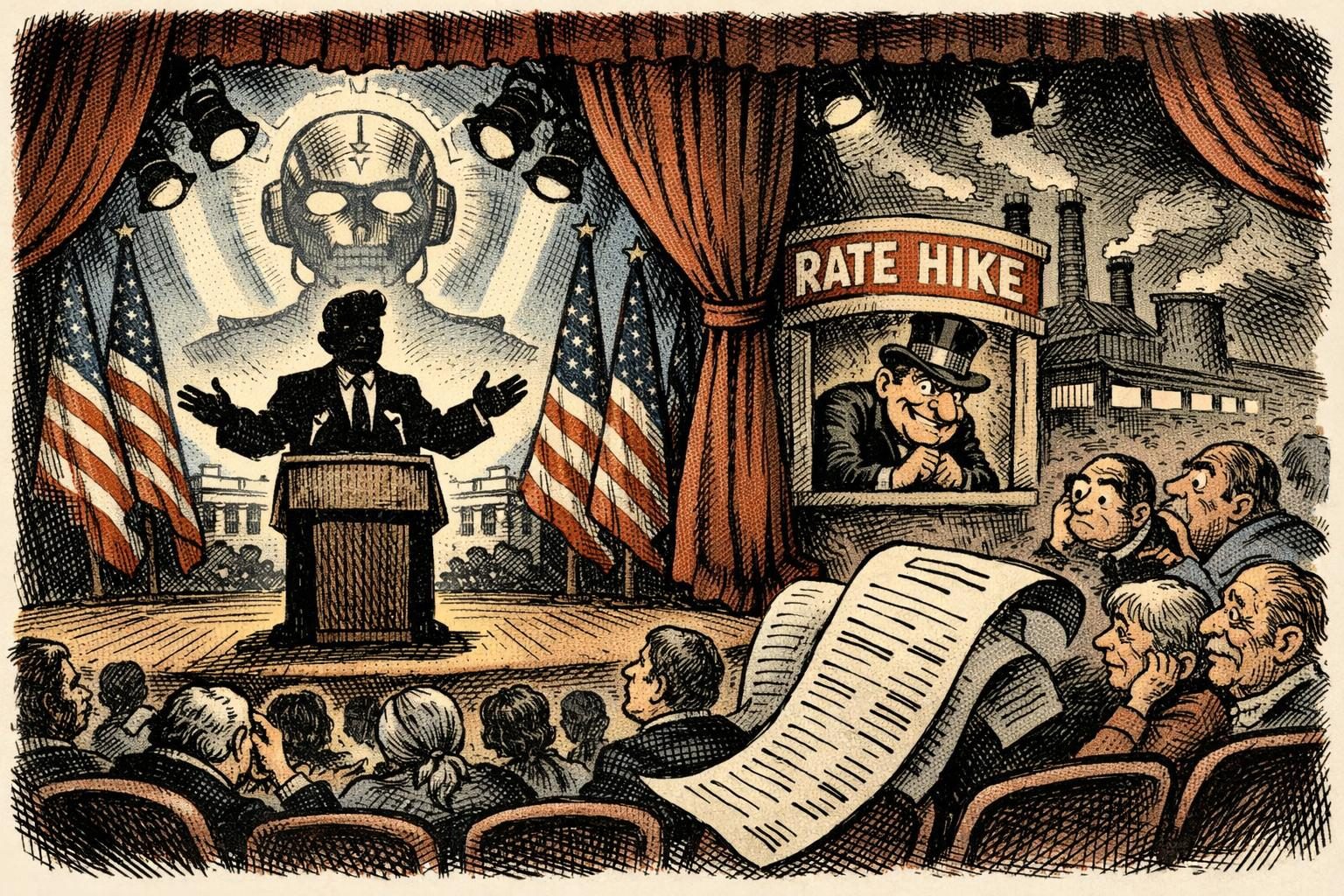
The White House used July 23 to broaden a voluntary pledge it says is meant to keep data-center power costs from landing on ordinary customers. The administration said the expanded Ratepayer Protection Pledge now brings in more than 200 additional utilities, data-center developers, cooperatives, and states, and it framed the effort as a way to make sure large AI loads pay for the generation and grid upgrades they require. ([whitehouse.gov](https://www.whitehouse.gov/releases/2026/07/president-trumps-ratepayer-protection-pledge-secures-american-ai-dominance-protects-consumers/?query-11-page=3&utm_source=openai))
The fine print matters. In the White House’s own pledge language, signatories do not get a federal rate code. Instead, companies and utilities are supposed to negotiate separate rate structures with utilities and state governments, then pay those rates for the power and infrastructure built for the new load. The administration’s March materials said the same thing: the pledge is voluntary, and the pricing mechanism runs through utilities and state-level agreements. ([whitehouse.gov](https://www.whitehouse.gov/ratepayer-protection-pledge/?utm_source=openai))
That leaves the federal role mostly political. Washington can cheerlead the framework, tally sign-ons, and claim credit for a consumer-friendly slogan. But the actual bill math still depends on utility filings, state oversight, and the terms worked out for each project. The White House says the point is to prevent ratepayers from subsidizing data-center growth; it does not claim to have taken away the states’ role in setting electricity prices. ([whitehouse.gov](https://www.whitehouse.gov/ratepayer-protection-pledge/?utm_source=openai))
The administration first launched the pledge on March 4, when it said seven major technology companies had accepted the terms. July’s expansion stretches the coalition far beyond the original tech signers, but it does not change the core structure: the White House is trying to set a principle for who pays, while the actual rates still get written in the places where power is sold and regulated. ([whitehouse.gov](https://www.whitehouse.gov/fact-sheets/2026/03/fact-sheet-president-donald-j-trump-advances-energy-affordability-with-the-ratepayer-protection-pledge/?utm_source=openai))
The political pitch is simple: AI can grow, and household bills should not. Whether that holds for any given project will depend on the separate deals and approvals that sit outside the pledge itself. ([whitehouse.gov](https://www.whitehouse.gov/ratepayer-protection-pledge/?utm_source=openai))
Comments
Threaded replies, voting, and reports are live. New users still go through screening on their first approved comments.
Log in to comment
No comments yet. Be the first reasonably on-topic person here.