
The White House keeps packaging separate July trade actions as one big win
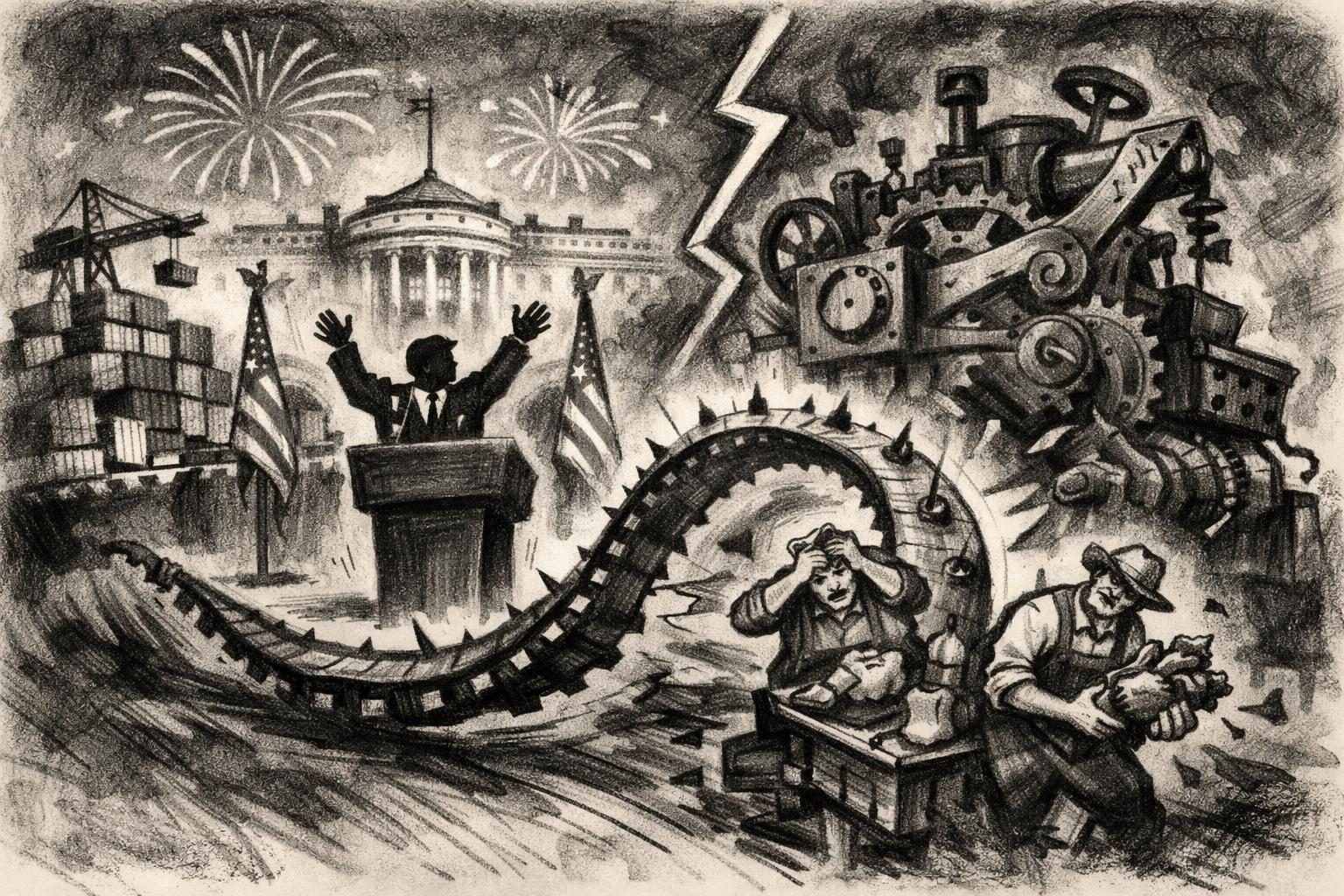
The White House spent much of July trying to package a scattershot sequence of trade actions into one tidy political storyline, and the official paper trail makes that job harder, not easier. In the span of a few weeks, President Donald Trump issued a proclamation on July 9 adjusting imports of commercial aircraft, jet engines, and aircraft and engine parts under Section 232. On July 20, the administration imposed additional tariffs on Canada under Section 338. On July 21, it announced a trade deal with Jordan. Then, on July 27, it staged a manufacturing-centered event in Michigan aimed at showing that the trade agenda is strengthening domestic industry. The White House can describe all of that as one month of momentum, but momentum is not the same thing as a single policy event, and the record does not blur the lines just because the messaging team would prefer it to. The dates are different, the legal authorities are different, and the practical consequences are different too.
That distinction matters because the administration is asking the public to absorb several separate actions through one political frame. A Section 232 adjustment tied to national security is not the same thing as a retaliatory tariff under a different statute. A trade agreement with Jordan is not the same thing as a tariff hike on Canada. A manufacturing event in Michigan is not a legal instrument at all; it is a political demonstration meant to reinforce the argument that the trade agenda is working. The White House nevertheless keeps bundling these pieces together as evidence of the same underlying thesis: Trump is applying pressure, the pressure is forcing better terms, and each new announcement proves the strategy is paying off. That may be a useful talking point, but it is not a precise description of what happened in July. The policy machinery is doing several different things at once, and those things do not magically merge into one coherent trade doctrine because the administration wants a cleaner visual. For companies that have to make pricing, shipping, sourcing, and compliance decisions, the difference between those actions is not semantic. It is the difference between planning around one rule change and planning around several, each with its own trigger, timeline, and risk.
The bigger issue is that the administration appears to be treating narrative consistency as a substitute for policy consistency. If every month is framed as a fresh victory lap, the details can start to look like decoration rather than the substance of governance. But the details are where the real effects land. Businesses have to figure out what an aircraft import adjustment means for contracts, inventories, and production schedules. Importers and retailers have to assess how a Canada tariff affects costs, margins, and delivery times. Officials and trading partners have to decide whether a new announcement is meant to be a final settlement or just the latest opening move in an ongoing confrontation. That uncertainty is not a side effect that can be waved away with cheerful branding. It is the core condition the White House has created by stacking announcements that do not share the same legal basis or economic purpose. The administration presents the month as proof that trade pressure is producing results, but the same record also shows how much of that result depends on repeated reinterpretation of what each action actually is. In practice, that leaves the public to sort out a rapidly changing mix of rules, claims, and political theater. The government gets to enjoy the applause line. Everyone else has to manage the consequences.
There is also a political irony in the way the White House is trying to claim credit for volatility while selling it as stability. Tariffs are being described as disciplined tools of national power, yet their rollout is being folded into an almost theatrical sequence of announcements designed to show strength, movement, and momentum. The Michigan event was meant to symbolize domestic industrial revival. The Jordan announcement was meant to suggest diplomatic and commercial progress. The aircraft proclamation and the Canada tariffs were meant to demonstrate leverage and control. Put together, they are useful for a summer-long victory narrative. Put together, they are also a reminder that the administration’s trade posture is built on separate instruments with separate effects, not on one seamless policy machine. If the system were as coherent as the rhetoric suggests, it would not need so much narrative glue. It would not require every fresh announcement to be recast as confirmation of the same grand thesis. The stronger argument for this trade agenda would be predictability, durability, and a clearer sense of what happens next. Instead, the strongest evidence in July is the pile of separate documents, separate deadlines, and separate authorities the White House keeps trying to stitch into one triumphal story. That story may play well in a press release. It is less convincing when measured against the actual sequence of events, which still looks like a series of discrete moves assembled into a single slogan after the fact.
Comments
Threaded replies, voting, and reports are live. New users still go through screening on their first approved comments.
Log in to comment
No comments yet. Be the first reasonably on-topic person here.