
EPA gets sued again over asbestos rulemaking delay
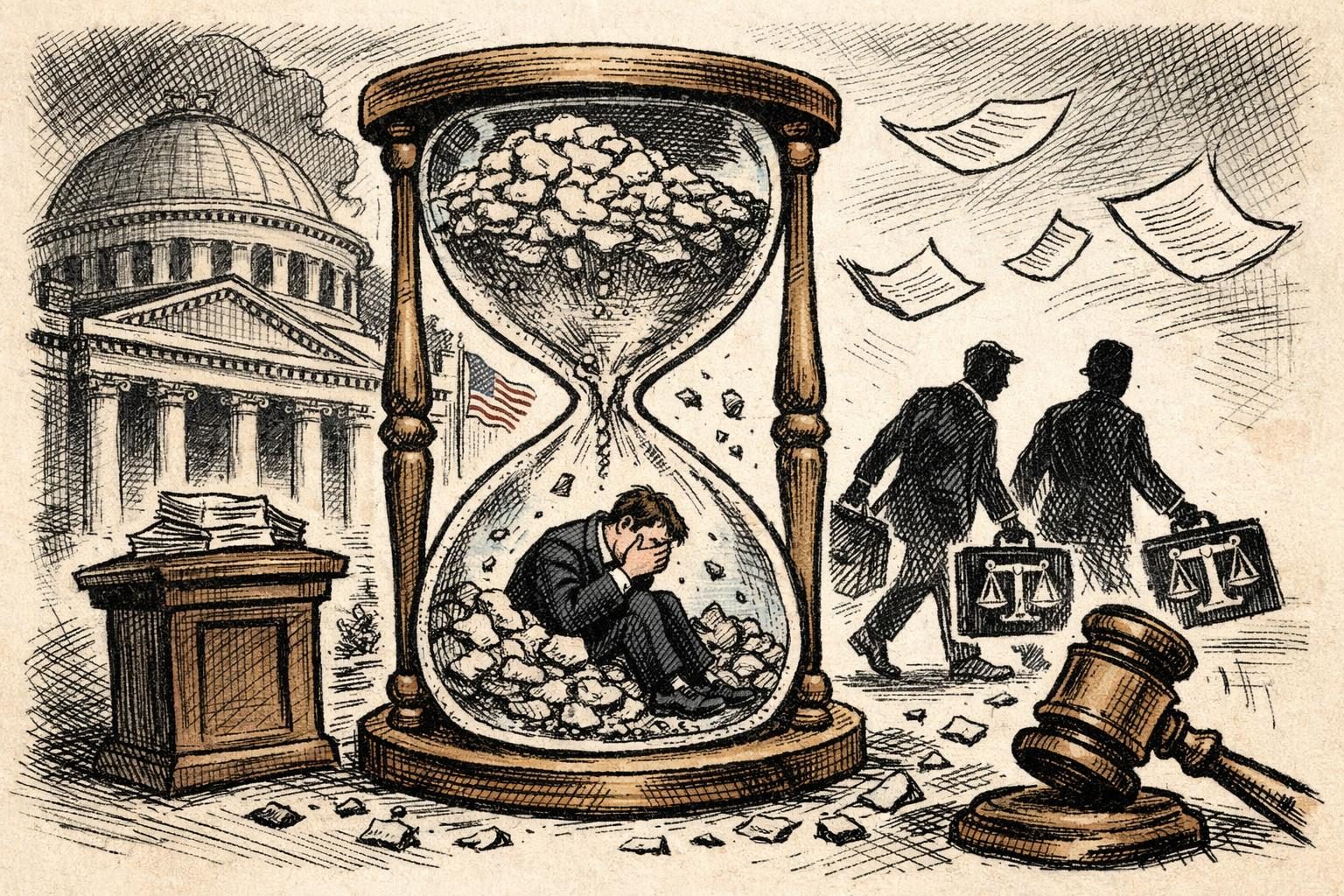
A new federal lawsuit is turning EPA’s slow-walk on asbestos into a live legal fight, not just another complaint about bureaucratic drag. According to the filing, the agency missed a statutory deadline to propose a risk-management rule for legacy asbestos, a task the plaintiffs say was mandatory rather than optional. That distinction matters, because a missed deadline under a non-discretionary duty gives the dispute a sharper legal edge than the kind of generalized frustration that often trails environmental rulemaking. The case argues that EPA did not merely move slowly or prioritize differently; it failed to do what Congress required it to do within the time Congress set. In practical terms, that means the agency’s inaction is now the thing under scrutiny, not just the eventual shape of any asbestos policy it may or may not produce.
The lawsuit lands in a policy area where delay has real-world consequences that are easy to describe and hard to dismiss. Asbestos is not a fresh regulatory problem that can be treated like an abstract administrative exercise; it is a legacy hazard with a long tail of illness, exposure, and litigation. Workers, families, and nearby communities continue to bear the burden of decisions made decades ago, and the health risks associated with asbestos are not the sort that become less serious because the government has not yet reached consensus. The complaint leans on that reality, framing EPA’s missed deadline as more than a paperwork lapse. If the agency was supposed to move forward with risk-management proposals and did not, the argument goes, then the delay itself becomes part of the harm. That is especially pointed in a context where every extra year without a rule can mean more uncertainty for people trying to understand what protections exist and when they will arrive.
The legal theory is straightforward enough that it could resonate well beyond this one dispute. When a statute sets a specific clock, agencies generally do not get to treat that clock as advisory. They can explain why rulemaking takes time, and they can point to technical complexity, internal review, competing priorities, or the need to gather a complete record. But those explanations do not automatically erase a deadline that Congress chose to write into law. If EPA responds by saying it is still evaluating the issue, that may sound reasonable in a conference room, but it is a harder sell in court when the complaint says the rule was due already. The lawsuit therefore puts the agency in the awkward position of defending delay on a matter tied to cancer risk while also insisting that its own timing should be tolerated. That is not an impossible argument, but it is one that asks a court to accept substantial administrative discretion where the plaintiffs say the statute left little room for it.
The broader political implications are just as uncomfortable for the agency. Environmental regulation often gets debated in the language of restraint, balance, and careful process, but this case strips away much of that framing and leaves the basic question of whether EPA complied with a legal deadline. That makes the complaint useful to critics who want to portray the agency as passive on toxic hazards and more willing to stall than act. It also creates a cleaner message for advocates who have long argued that asbestos is exactly the kind of legacy danger government should address with urgency, not indefinite review. Even if the case takes time to work through the courts, the public story is already taking shape: a deadline passed, a rule did not arrive, and the agency now has to explain why a statutory command became an open-ended wait. Whether EPA ultimately wins on technical grounds, narrows the scope of the duty, or is ordered to move ahead, the lawsuit has already done one thing with unusual clarity—it has converted a policy delay into a legal problem that can no longer be ignored as routine administrative sluggishness.
Comments
Threaded replies, voting, and reports are live. New users still go through screening on their first approved comments.
Log in to comment
No comments yet. Be the first reasonably on-topic person here.