
EPA’s Alaska water case turns into a fresh enforcement headache
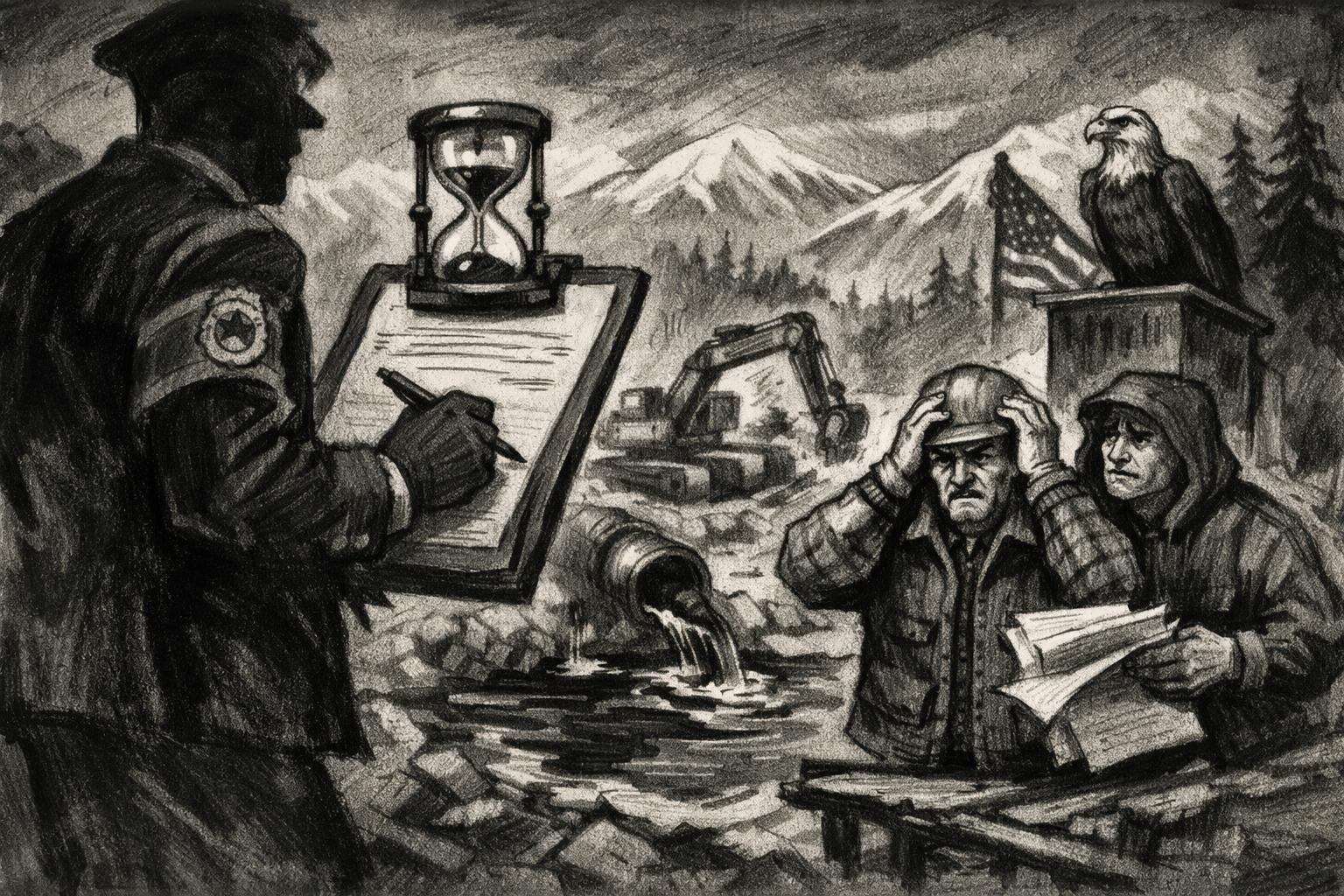
The Environmental Protection Agency has put a proposed settlement on public notice over alleged Clean Water Act violations tied to Hidden Valley Quarry in Alaska, turning what might have looked like a routine compliance notice into a fresh enforcement headache. The agency’s filing indicates the comment period is already underway, which means the clock is not just ticking in a theoretical sense; it is actually running on the public’s chance to weigh in before the matter is finalized. That makes this more than an administrative footnote. It is a live enforcement action, and one that suggests EPA believes the case is serious enough to justify a formal settlement process rather than a quiet warning. In the broader world of environmental oversight, those distinctions matter because they often determine whether a company gets a nudge or a bill.
At the center of the dispute are the kinds of compliance obligations that rarely attract attention until they are missing. EPA says the quarry failed to complete routine inspections, visual assessments, photo documentation, and training records that are part of standard water-protection compliance. Those may sound like the sort of details that only a regulator could love, but they are the backbone of how enforcement works in practice. Inspecting a site, documenting conditions, and training workers are the paper trail that helps prove whether a facility is controlling runoff, monitoring discharge risks, and responding properly if something goes wrong. When those records are incomplete or absent, regulators are left with fewer tools to show that a site is operating safely, and facilities lose the credibility that comes from being able to demonstrate steady compliance over time. In other words, the paperwork is not ornamental. It is the evidence that the system is functioning before there is a spill, release, or downstream problem.
That is especially relevant in Alaska, where remote locations, harsh weather, and long distances can make oversight harder even under the best circumstances. A quarry operating in that environment faces practical challenges that a facility in a more densely monitored area may not, but those challenges do not erase Clean Water Act obligations. If anything, they make recordkeeping and routine inspections more important because regulators cannot rely on frequent casual observation to catch problems early. The state’s geography can turn ordinary compliance gaps into bigger risks, because missed checks and weak documentation can leave a facility operating on assumptions instead of verified conditions. For nearby communities and the waters that can be affected by runoff or other discharges, that is not a trivial concern. EPA’s willingness to move forward with a proposed settlement suggests the agency sees the alleged failures as more than harmless clerical lapses, even if the underlying violations are procedural rather than dramatic in the public imagination.
Politically, this is the kind of case that fits neatly into a larger argument over environmental enforcement. Republicans often cast EPA oversight as overbearing bureaucracy, a tangle of forms and penalties that punishes industry for technical mistakes. But those arguments tend to soften quickly when the consequences of weak compliance show up as contamination, discharge, or health impacts somewhere inconvenient for the critics. That tension is why even unglamorous enforcement matters: it is often the only line between a manageable violation and a larger environmental mess. EPA’s notice implies the agency believes the site’s shortcomings justify real consequences, not just a warning letter or informal guidance. If the settlement is finalized, the likely result is a combination of corrective action and financial penalties, which would underscore the agency’s view that the violations were not merely harmless oversights. If comments lead to changes before the settlement is approved, the details may shift, but the enforcement signal is already clear. The agency is showing that it is still willing to press Clean Water Act cases through the settlement process, even when the alleged misconduct is rooted in the dull but essential realm of inspections and documentation.
The bigger takeaway is that environmental enforcement rarely begins with a headline-grabbing disaster. It usually starts with routine failures that accumulate quietly until a regulator decides the pattern can no longer be ignored. That is what makes this Alaska quarry case worth watching. A proposed settlement on public notice is not the end of the story, but it is enough to show that EPA is actively using its enforcement tools and is prepared to seek penalties where it believes compliance has broken down. The public comment period adds another layer, giving interested parties a chance to argue for changes, push back on the terms, or support the agency’s approach. Whether the final agreement looks exactly like the draft remains uncertain, and that uncertainty matters. Still, the underlying message does not: in EPA’s view, missing inspections, incomplete assessments, and sloppy records are not just administrative oversights. They are enforcement problems, and in Alaska, where oversight is already harder than it should be, they can become expensive ones fast.
Comments
Threaded replies, voting, and reports are live. New users still go through screening on their first approved comments.
Log in to comment
No comments yet. Be the first reasonably on-topic person here.