
Senate funding deal collides with the administration’s ongoing war on climate grants
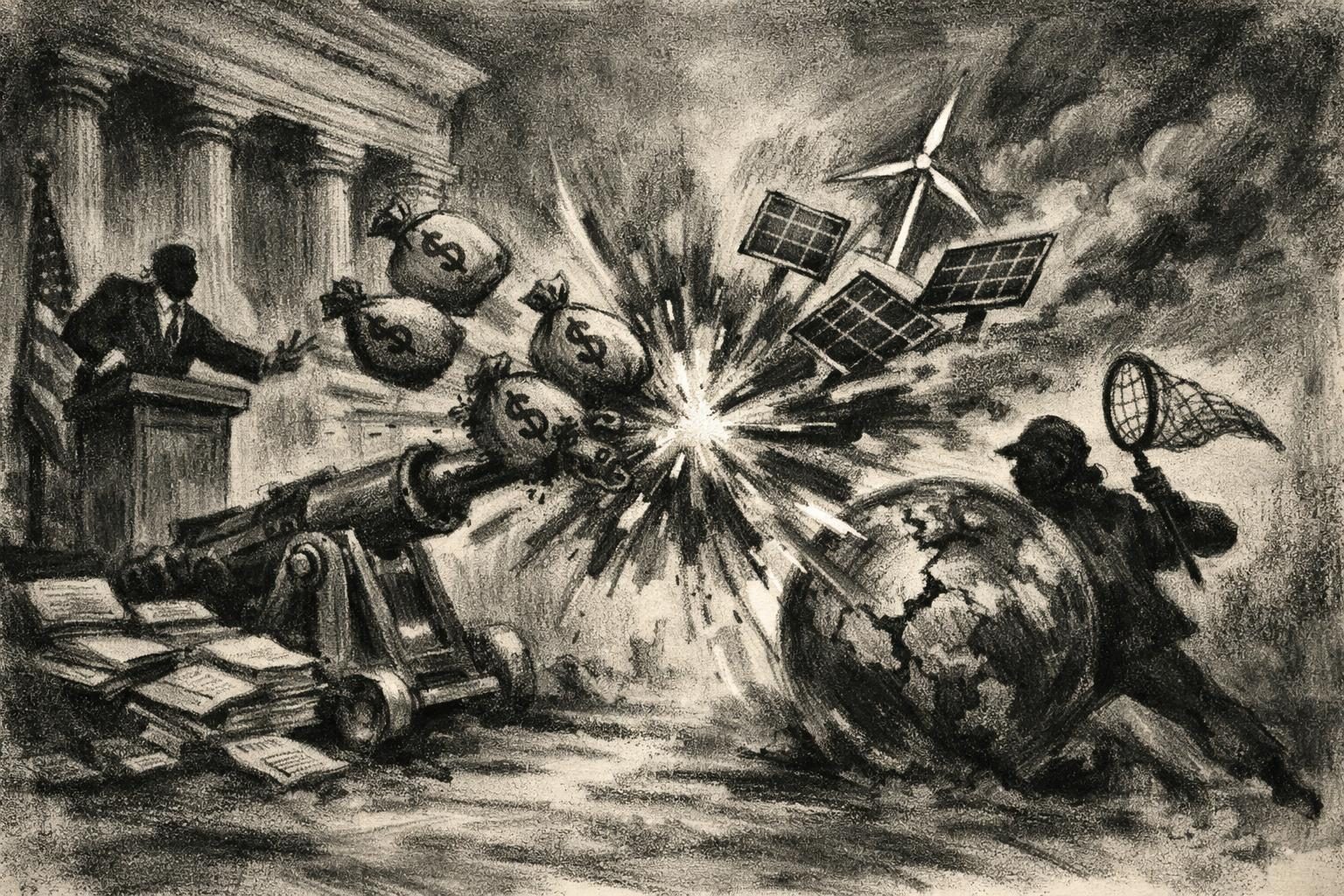
The Senate’s August 8 funding deal was meant to do one thing above all else: prevent an immediate shutdown and buy lawmakers a little breathing room. But even as senators moved to keep the government open, a separate and more corrosive fight was still unfolding in the background. Across agencies and in court, the administration’s handling of climate grants and other federal awards remained under scrutiny, with the central question unchanged: how much discretion does the executive branch really have to undo spending decisions it does not like? The answer matters far beyond the current budget standoff, because it goes to the basic reliability of federal commitments. When grants can be treated as disposable whenever politics shifts, the government stops looking like a stable partner and starts looking like a source of constant uncertainty.
That broader dispute has been sharpened by ongoing fallout from court rulings that found the Trump EPA had improperly terminated climate-related grants and sought to claw back money based on policy disagreement rather than a lawful administrative process. The administration has argued, in effect, that closer scrutiny of grants is just responsible stewardship of taxpayer money. But the legal and political problem is that the scrutiny has often appeared to track hostility toward the underlying climate policy, not neutral enforcement of rules. That distinction is not academic. If agencies can reopen or cancel awards after the fact because a program falls out of favor, then the standard for federal funding becomes whatever the White House wants it to be at the moment. Courts have already signaled that this is not an unlimited power, and the continuing disputes suggest the administration is still testing how far it can push before judges push back again.
The stakes are unusually high because grant administration is one of the main ways Washington translates policy into action on the ground. Climate funding does not just sit in a spreadsheet; it pays for projects, staffing, planning, and local implementation that can shape whether communities are able to move forward with clean-energy work, resilience planning, and infrastructure upgrades. State officials, advocacy groups, and grant recipients have been warning for months that these fights are about more than one set of awards. They see them as a test case for whether the federal government can be trusted to honor commitments once they are made. That concern is especially sharp when the targets are programs tied to climate and environmental policy, where the administration’s critics say the pattern looks less like ordinary oversight and more like an effort to use the purse as a political weapon. Even when the dispute is technical on paper, the practical effect is often delay, uncertainty, and the chilling of future applications.
The Senate’s funding move may calm one crisis, but it does not resolve the deeper tension running through the federal government. Congress can patch over a shutdown threat, and courts can order agencies to stop or reverse unlawful actions, but neither can fully erase the habit of using federal money as leverage over states, nonprofits, and political opponents. That is why these grant fights keep drawing attention long after the immediate budget deadline has passed. They expose a system in which the executive branch can still create damage simply by announcing delays, revocations, or new barriers, even if those moves are later challenged. The result is an institutional wear-and-tear problem as much as a legal one. If agencies keep treating funding decisions as a battlefield rather than an administrative obligation, then every new appropriation becomes vulnerable to the same cycle of suspicion, litigation, and rollback. The current moment suggests that Congress is trying to stabilize government while the administration keeps probing for ways to make federal spending itself an instrument of partisan pressure.
Comments
Threaded replies, voting, and reports are live. New users still go through screening on their first approved comments.
Log in to comment
No comments yet. Be the first reasonably on-topic person here.