
FEMA’s staffing squeeze is colliding with hurricane season
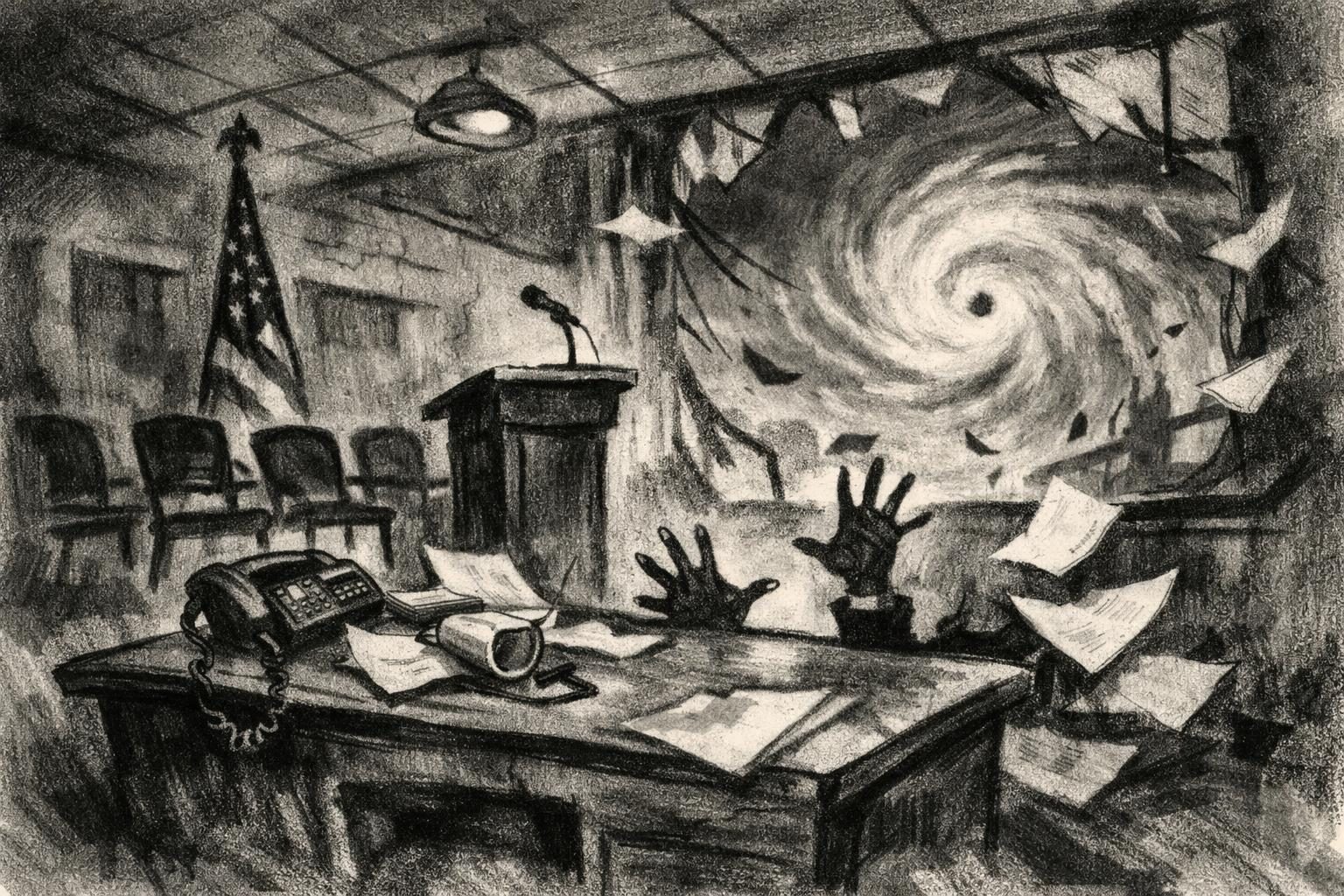
FEMA’s staffing warning has turned into more than an internal management concern just as the calendar moves deeper into hurricane season. Fresh reporting and government-facing evidence pointed on August 9 to an agency that is running with a critically thin workforce at the exact moment it is expected to coordinate some of the federal government’s most complicated emergency operations. That is not an abstract budgeting issue or a routine personnel gripe. It is a public-safety problem with weather attached, and the timing makes it impossible to ignore. When the agency responsible for disaster response is short on people, the effects can ripple outward quickly through approvals, deployments, logistics, and communication with state and local officials who are waiting on federal help.
The basic concern is simple: FEMA does not need only bodies on a roster, it needs experienced staff who know the playbook and can act under pressure. In emergency management, the difference between an adequate response and a strained one often comes down to institutional memory, familiarity with procedures, and the ability to make decisions before a crisis compounds. That is why warnings about staffing shortages matter so much more in this setting than they would in a typical bureaucratic fight. If the agency is already lean before the first major storm lands, it may have less room to absorb unexpected damage, overlapping disasters, or a surge of requests from multiple states at once. Even a few missing links in the chain can slow the flow of aid, and in a hurricane response, delays are rarely tidy or contained.
The politics around that reality are straightforward and uncomfortable. The administration has spent months selling a message of efficiency, reform, and a tougher federal government that does more with less. That kind of argument can sound disciplined in the abstract, and it may even appeal to voters who distrust government bloat. But disaster response is one of the areas where austerity rhetoric collides with practical limits. Lean operations can become brittle operations very quickly when a storm is barreling toward land or when recovery work has to begin before the last one is even cleaned up. If FEMA is being asked to carry more risk with fewer people, critics will say the government is not slimming down in a smart way; it is thinning out the very capacity that makes federal intervention possible when states are overwhelmed. The agency cannot improvise its way through every storm forever, especially if it is already stretched before the worst weather arrives.
That is why the current warning is landing with such force. It does not require a disaster on the scale of a worst-case scenario to create a political problem. If storms intensify, if requests stack up, or if governors and emergency managers begin saying the federal response is slower or less coordinated than it should be, the staffing question will move from back-office worry to front-page failure. The first wave of criticism will almost certainly focus on why the agency was left underbuilt in a year when everyone understood the stakes in advance. But even if the season remains relatively calm, FEMA will still have a credibility issue because the public has effectively been told to trust a system that officials themselves have acknowledged may be running too thin. That is a difficult message to sustain when people in flood zones, on coastlines, and in storm corridors know that a single bad week can overwhelm local capacity fast.
The consequence, then, is both operational and political. Operationally, fewer staff can mean slower coordination, more strained field response, and a higher risk that small problems become larger ones before federal help is fully in motion. Politically, it invites a familiar and damaging question: who decided that this level of staffing was good enough for hurricane season? That question will not disappear if the weather cooperates, because the warning itself has already framed the issue as one of readiness rather than hindsight. And if the season turns severe, the criticism will be sharper still, with lawmakers likely asking whether the agency was set up to succeed or merely told to manage. FEMA’s challenge now is that it must persuade the country it can perform under pressure after evidence has already suggested it may not have enough people in the building to do the job it is supposed to do.
Comments
Threaded replies, voting, and reports are live. New users still go through screening on their first approved comments.
Log in to comment
No comments yet. Be the first reasonably on-topic person here.