
The climate-funds fight keeps backfiring on EPA, with the legal cloud still hanging over the money
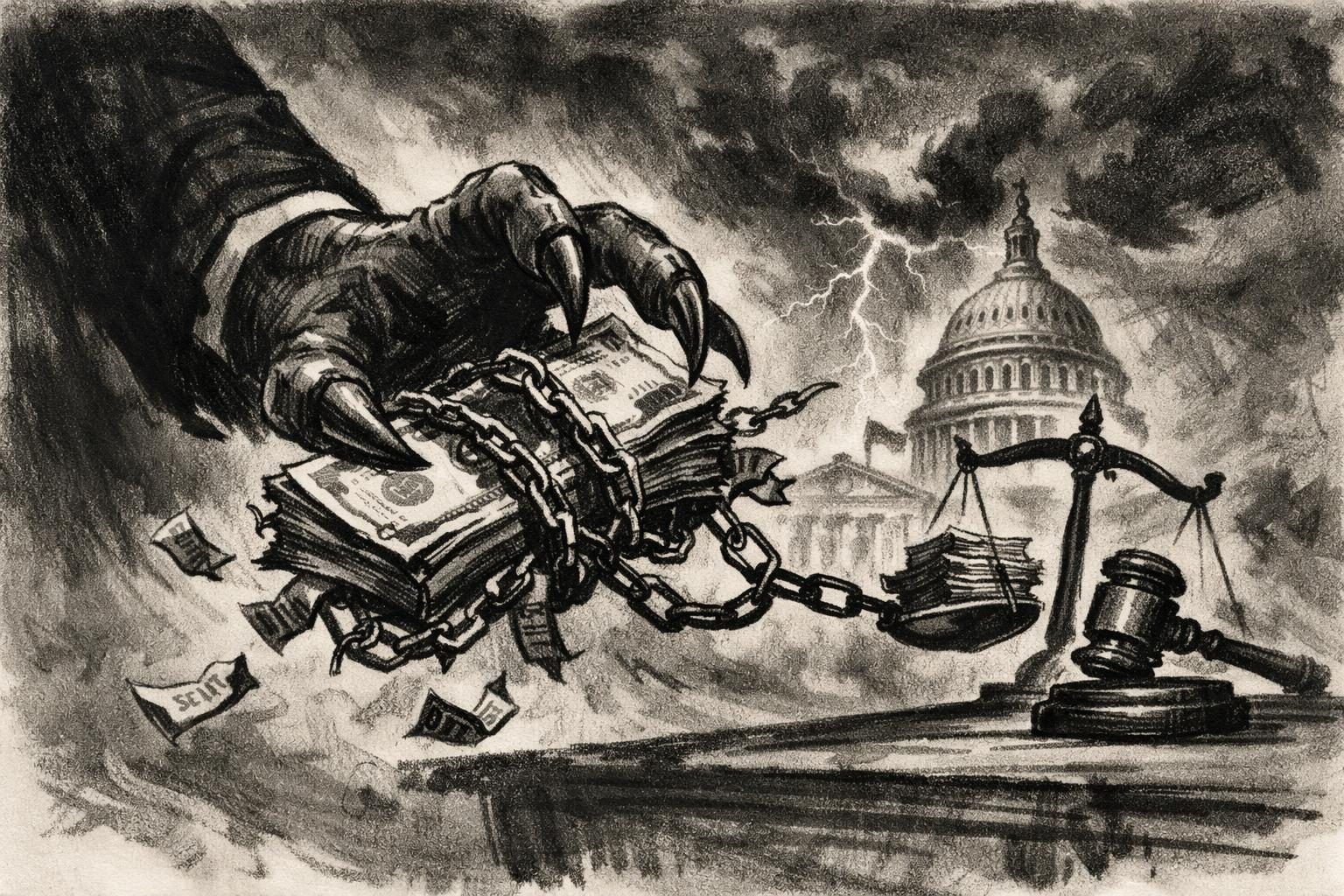
The Trump administration’s bid to unwind a major clean-energy grant program is still running into the same hard reality: the money is not simply going back into government hands, and the legal fight over it is far from over. On Aug. 10, the immediate consequence of the latest appellate ruling was not a clean resolution but another layer of delay, leaving the funds locked inside litigation while the nonprofits and community groups that were supposed to put them to work remain on the sidelines. The program at the center of the dispute is the Greenhouse Gas Reduction Fund, a $20 billion Biden-era initiative designed to support energy and efficiency projects through a network of grants and financing. The administration has tried to terminate or claw back that financing, arguing in effect that it should not have to keep supporting a program it opposes politically. But the court fight suggests that the government’s effort to simply erase the program after the fact is running into serious legal resistance. Even after the latest ruling, the practical effect for the grantees is still uncertain because the government retains the ability to seek emergency relief and continue pressing the case.
What makes the dispute more than an ordinary budget fight is the principle it puts on trial. If an administration can cancel congressionally approved climate spending simply because it dislikes the policy, then the rule that enacted appropriations are binding starts to look optional. That is why this case has attracted so much attention from environmental advocates, nonprofit grantees and legal watchers far beyond the clean-energy sector. The argument is not only about whether one grant program survives. It is about whether the executive branch can nullify spending decisions made by Congress by treating a policy disagreement as a legal basis for clawback. If that approach were allowed to stand, it would create a precedent that could make future federal funding commitments feel provisional, especially when a new administration wants to reverse course on a predecessor’s priorities. In that sense, the stakes are institutional as much as financial. The fight is over whether executive power ends where the statute begins, or whether a hostile White House can use the machinery of government to unwind money already approved by lawmakers.
The appellate ruling that triggered the latest round of fallout was especially awkward for the administration because the judges appeared to accept the basic premise that the government had likely gone too far. The decision did not amount to a final and irreversible victory for the grant recipients, but it did indicate that the administration’s rationale was probably out of step with the law it was supposed to be following. That is an uncomfortable place for a government to be in when it is also trying to sell the idea that it is just enforcing the law rather than rewriting policy. The court’s reasoning, as reflected in the available record, undercuts the notion that the program can be swept away by fiat. It also leaves the EPA with a politically painful choice: keep litigating an increasingly difficult case, or accept a loss that would weaken one of the administration’s early attempts to dismantle climate spending. Neither path is easy. Continuing to fight may preserve leverage and buy time, but it also prolongs the impression that the government is trying to escape commitments it already made. Folding could speed up the flow of money, but it would also invite criticism from allies who want a more aggressive rollback.
The practical effects are already visible even before the legal dust settles. Clean-energy projects are not built on slogans or court opinions; they depend on financing, planning and certainty. When federal funding is caught in emergency motions, injunction fights and appeals, the people expected to carry out the work are forced to act as if a promised pipeline of money might disappear at any moment. That makes long-term planning difficult and can chill investments, partnerships and staffing decisions well before a judge finally speaks. It also creates a broader sense that governance is being conducted through sabotage rather than administration, with agencies devoting resources to fighting their own commitments instead of implementing them. The administration’s critics see that as the point: to delay, discourage and possibly deter the use of climate dollars even when those dollars were approved by Congress. Supporters of the government’s position would likely argue that it is simply challenging a program it believes was unlawfully structured or administered. But the fact remains that, for now, the funds are still tied up in court, the grantees are still waiting, and the outcome still carries implications well beyond one green-bank program. At the center of the case is a basic question about federal power: whether a change in political direction can justify turning public money into a hostage. The longer the fight continues, the more the administration risks turning a policy rollback into a cautionary tale about the limits of unilateral executive control over appropriated funds.
Comments
Threaded replies, voting, and reports are live. New users still go through screening on their first approved comments.
Log in to comment
No comments yet. Be the first reasonably on-topic person here.